Nafplio by Bus, on Foot and on a Railway That No Longer Runs
There is something reassuring about a KTEL Argolida timetable. Clear, very specific, and somehow always full of confidence. The bus from Kranidi would connect at Epidaurus, deliver me to Nafplio by 13.26, and say nothing whatsoever about the forty-two gold steps waiting at the other end. This is Nafplio approached slowly, by bus, on foot, and along a railway line that no longer runs.
There is something reassuring about a KTEL Argolida timetable. Clear, very specific, and always somehow fills me with confidence. A bus was scheduled to leave Kranidi at 11.10, arrive in Lygourio for a connecting bus at 11.50, then on to Nafplio for 13.26. That all sounded very precise. I would wait and see.
I said goodbye to my hosts in Ermioni and took a taxi up to Kranidi. The place selling bus tickets turned out to be a kafeneio at the point where three narrow streets converged. I entered, dragging my case behind me to the sound of clicking komboloi beads, which, along with conversation, was temporarily suspended as I made my way through. It was one of those ‘there’s a stranger in town’ moments.
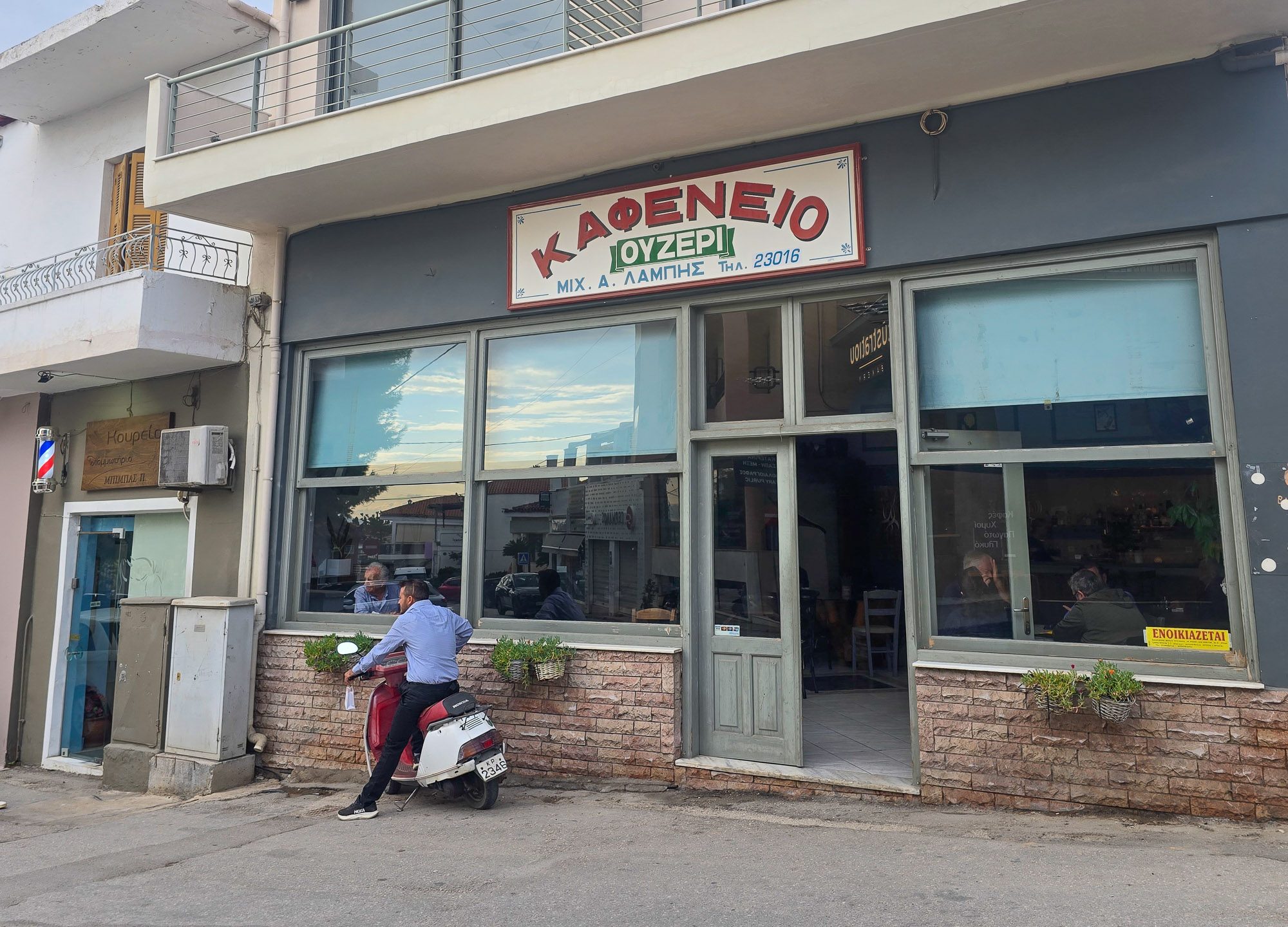
A woman behind the counter was halfway through pouring a cup of steaming Greek coffee, but acknowledged me with a nod. Once delivered to the rightful owner, she processed my bus ticket, one for each connecting bus – €8.40 in total. She also kindly took my luggage whilst I had a walk around the town – I’d built in some extra time for a little wander. Kranidi is what I’d call an ordinary town. Not in a bad way. I like an ordinary town that doesn’t feel the need to try too hard. I suspected the older part lower down was where the real interest was, but I didn’t have time to find out.
Back at the bus stop with luggage retrieved, more people arrived. Some with luggage heading to destinations new, others with heaving shopping bags, stocking up in the ‘big town’.
Right on time, the bus pulled up next to the kafeneio and headed out of Kranidi, dropping back down towards the coast before joining the main road along the western side of the Argolis. I caught glimpses of the Bay of Kampos before we headed inland through the villages of Fournoi and Didyma – the kind of villages that make you want to get off for no real reason other than to see what is there.
The bus was scheduled to connect at Ligourio (Tzani), which I assumed was in the actual village of Ligourio. It was actually at the Archaeological site of Epidaurus where the bus pulled in – I recognised it instantly. I’d caught the bus from Nafplio to Epidaurus several years ago, so now it all made sense that the buses would connect here. Although we were slightly behind schedule, the connecting bus was waiting. In my experience, that is how it works. Too much relies on the wider networks for connecting people and goods alike. Better late than not at all.
Back on the road, we passed through Lygourio, then Arkadiko, where I craned my neck trying to catch a glimpse of the Mycenaean bridge. I saw the signage but that was it. Then past Asini and the rock that looks like a shark’s fin, and into Nafplio.
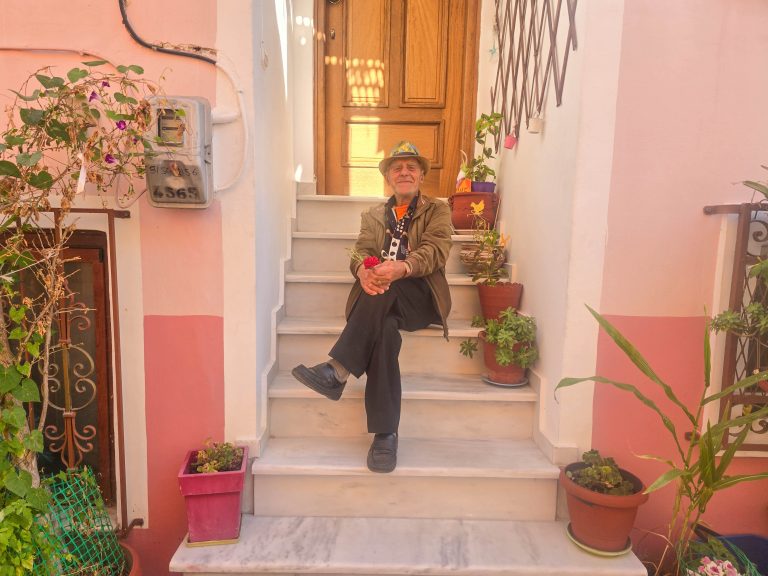
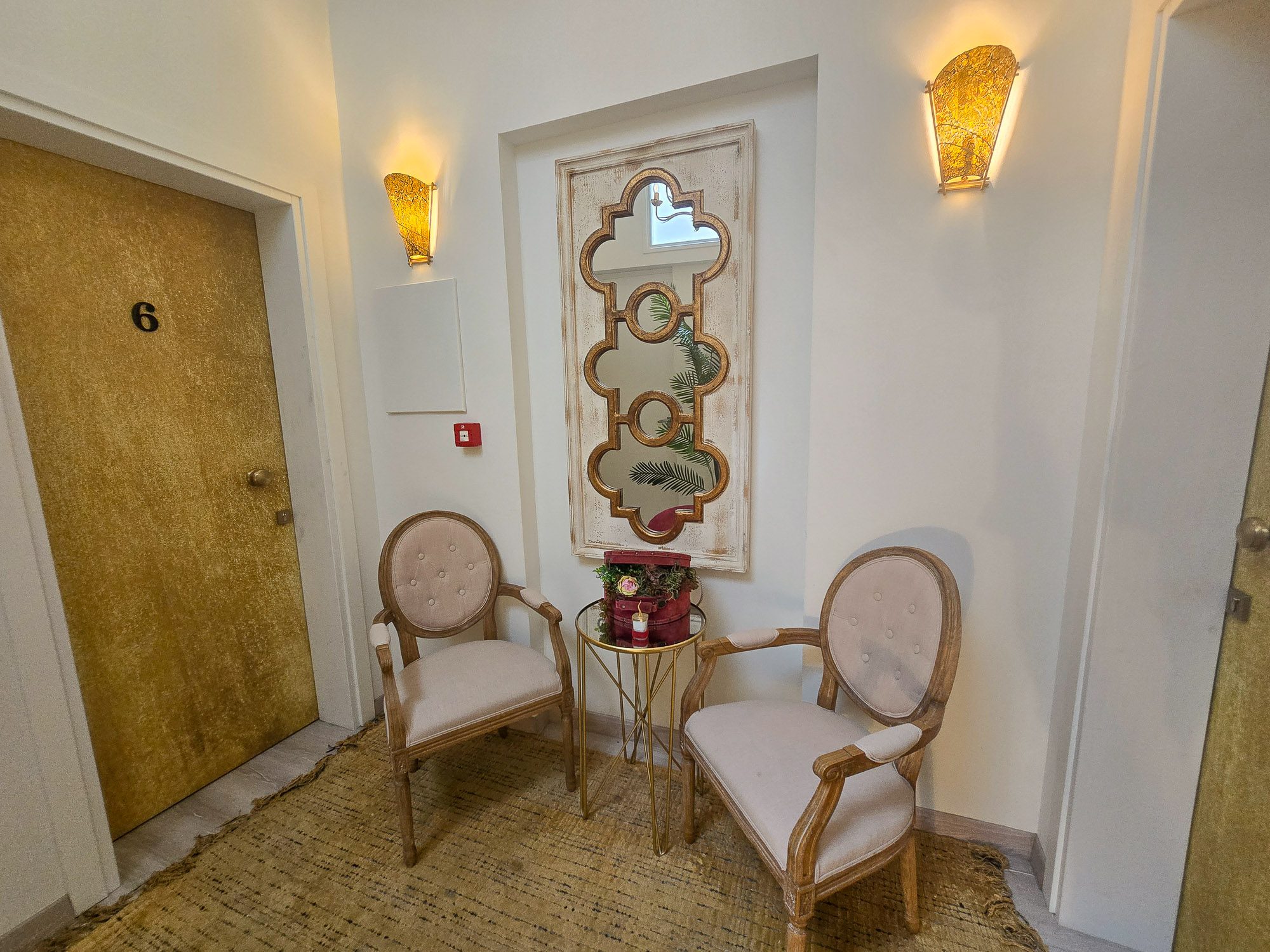
For this stay, I had booked a room at Residenza di Fedralia, right in the old town. Venetian in style, very well located, access by coded entry and a narrow spiral staircase. And what a staircase! I didn’t know if I was more taken aback by the fact that it had all been painted gold or that the steps seemed to disappear sharply into eternity. I later counted that there were 42 of them to my room.
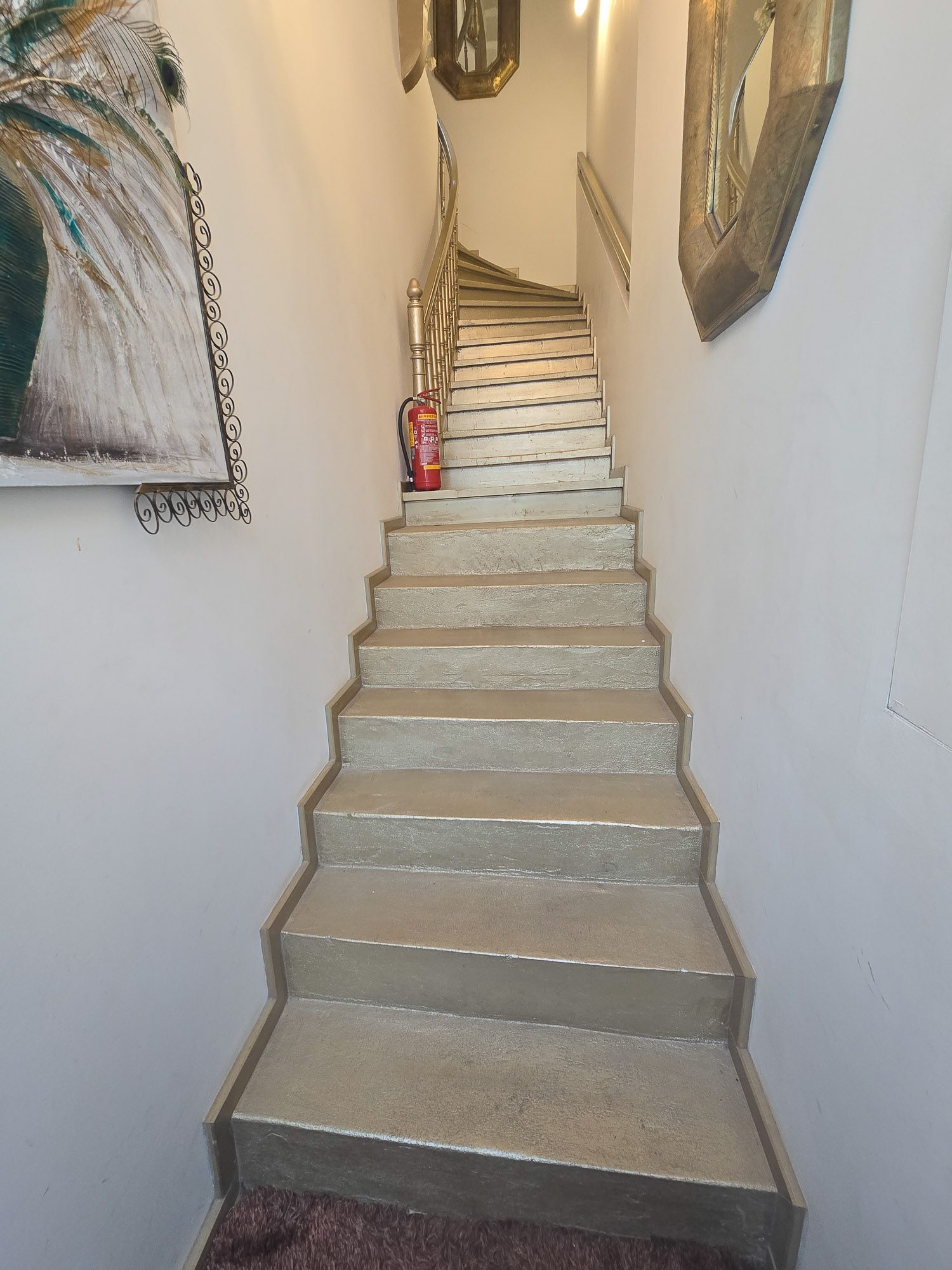
As luck would have it, I arrived just as the cleaners were leaving, and they kindly helped with the case to my floor. The room made up for it, though. Bright, spacious, newly refurbished, with a small wrought iron balcony looking out towards the fortress. Perfect for my 6 nights here – and if anything, the stairs would help me get in those extra steps.
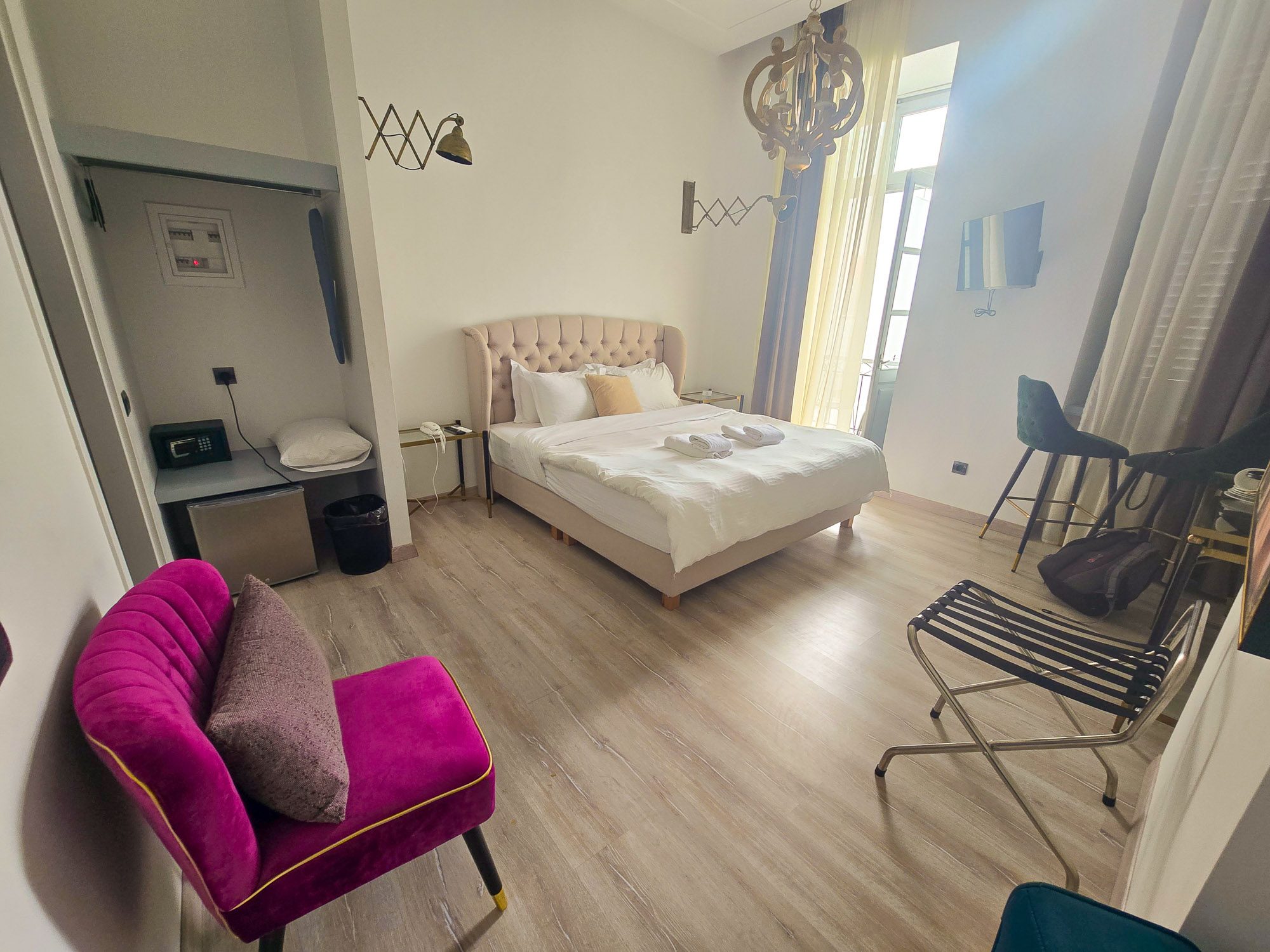
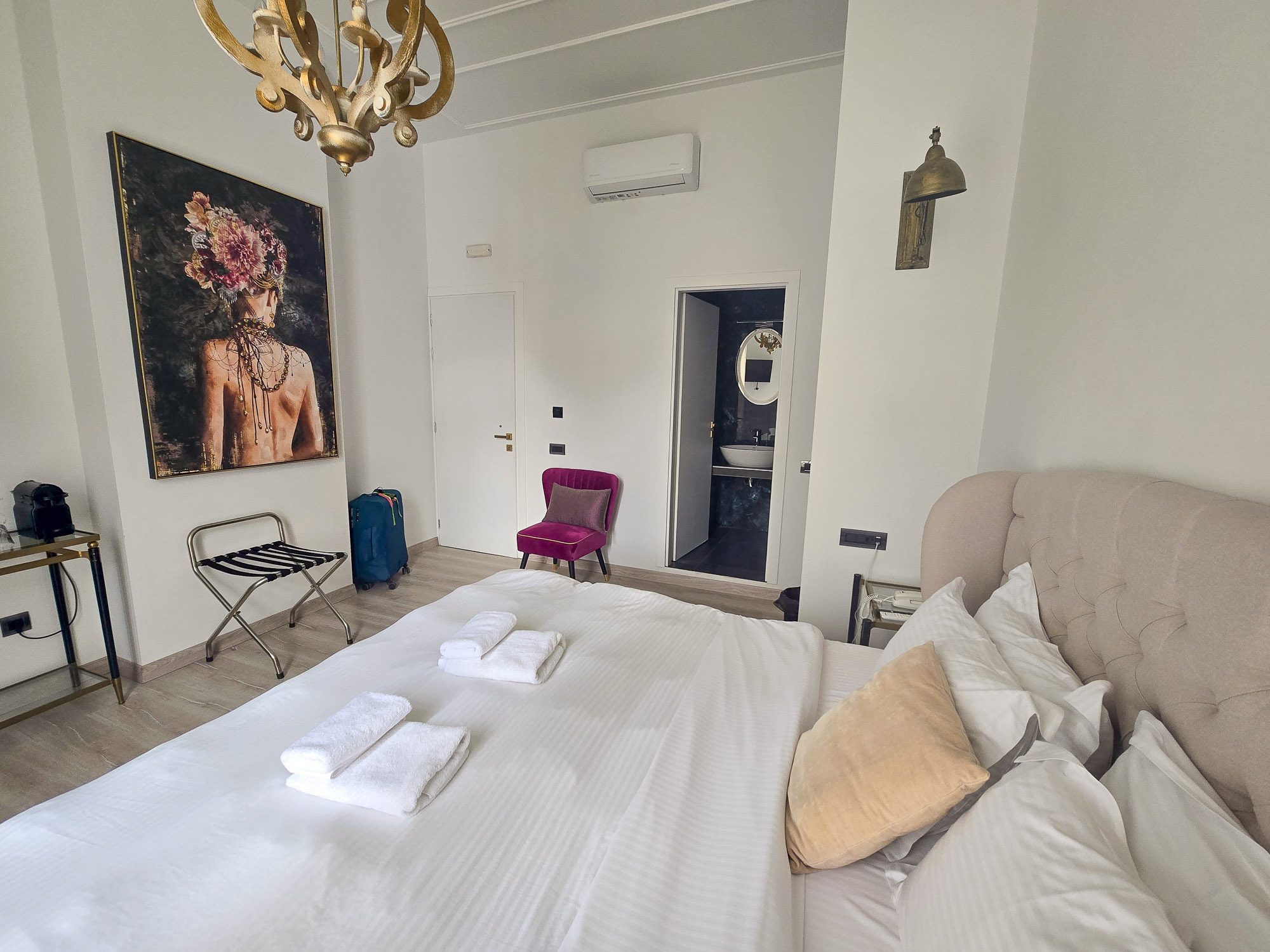

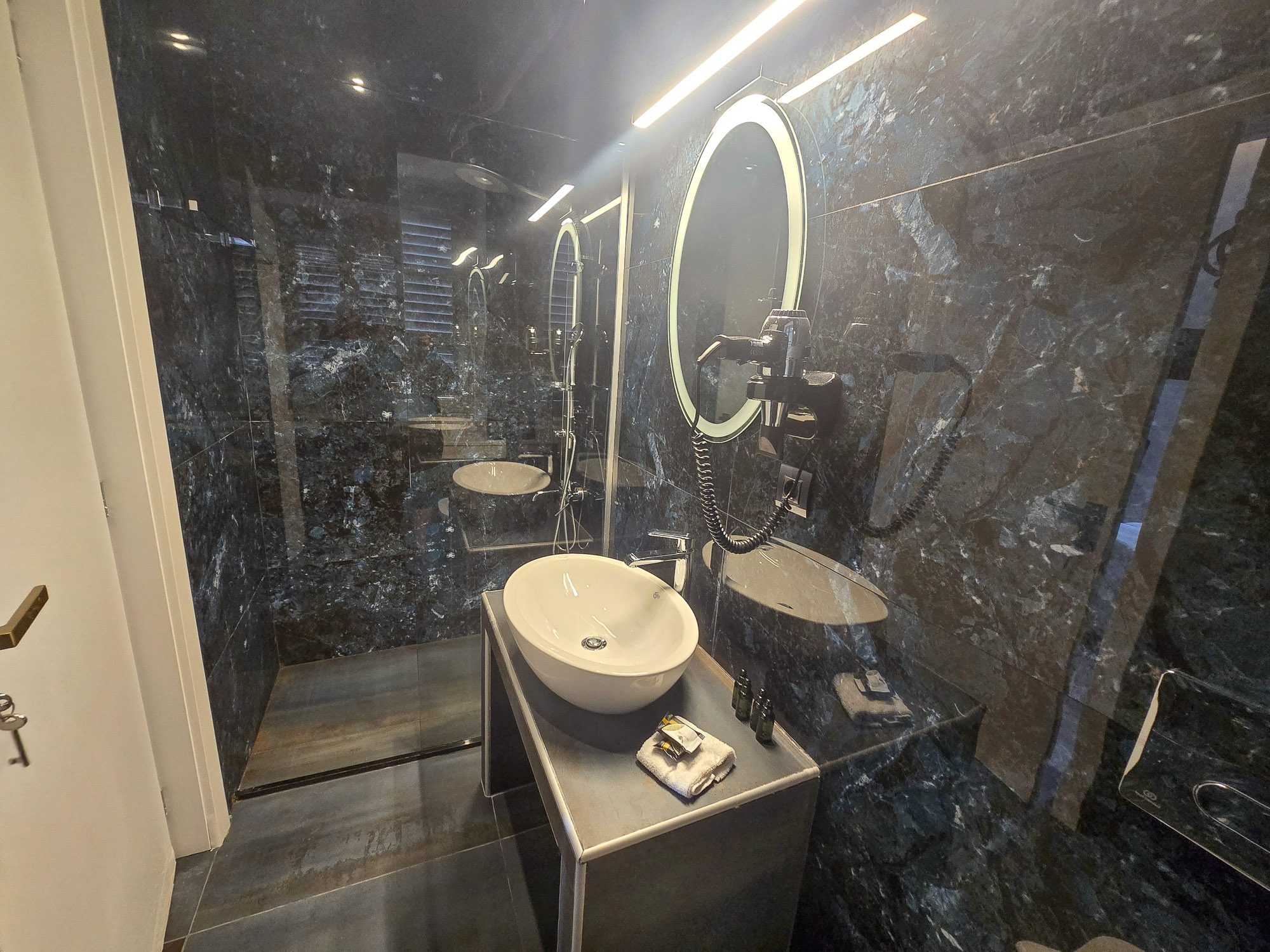
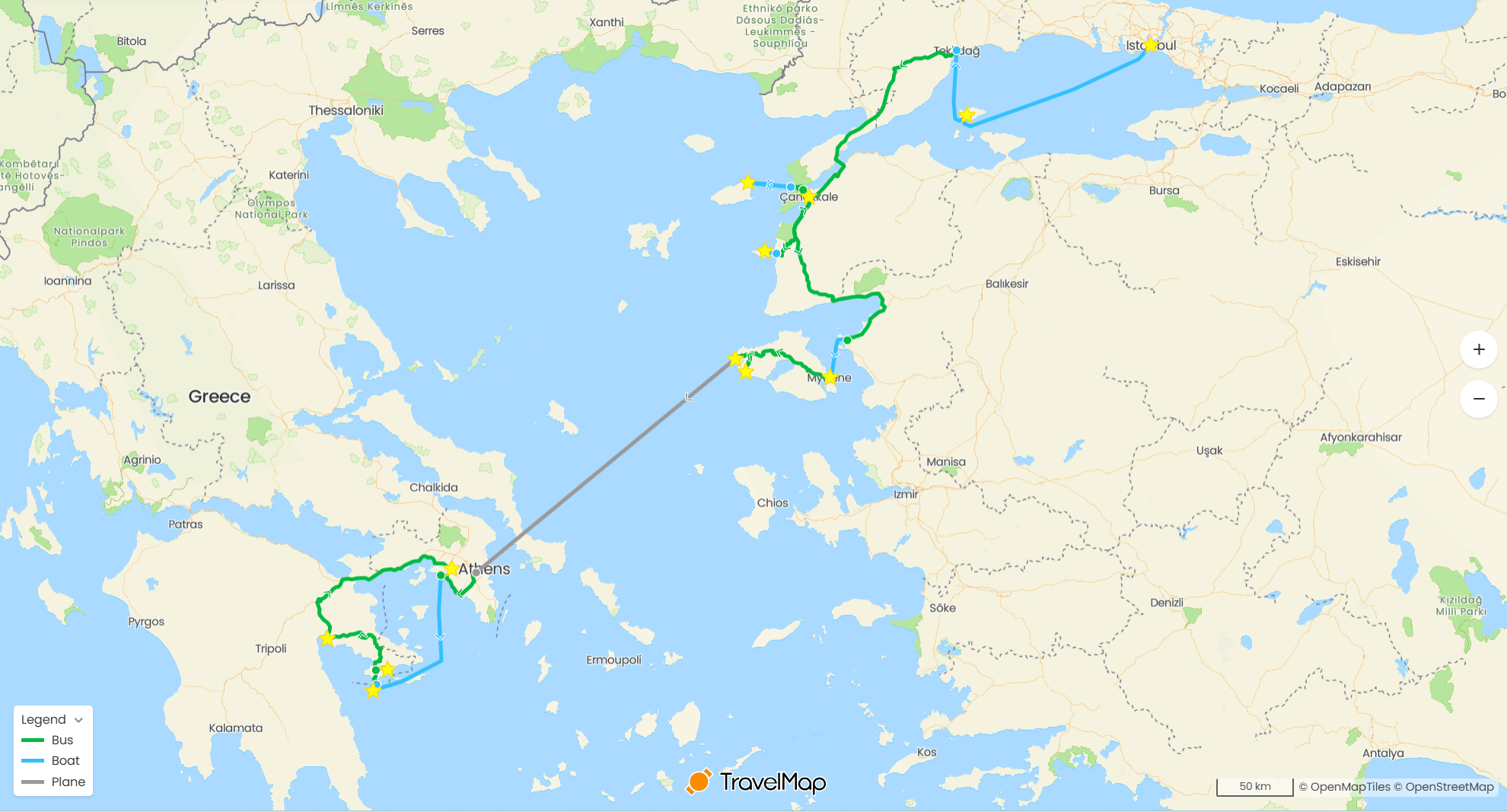
Now, Nafplio. I only had one real plan during my stay (more of that in a later post). As I headed towards the eighth week of my trip, I planned to take it easy. Istanbul, where I began this trip, already felt like a distant memory. Having stayed in Nafplio on several occasions before, there was less urgency to run around box-ticking. That’s an easy thing to do here. With Mycenae, Epidauros, Palamidi and Bourtzi castle (and so much more) on the doorstep, it’s natural to want to see as much as possible. The aim was to spend my time gently meandering around some favourite well-trodden paths.
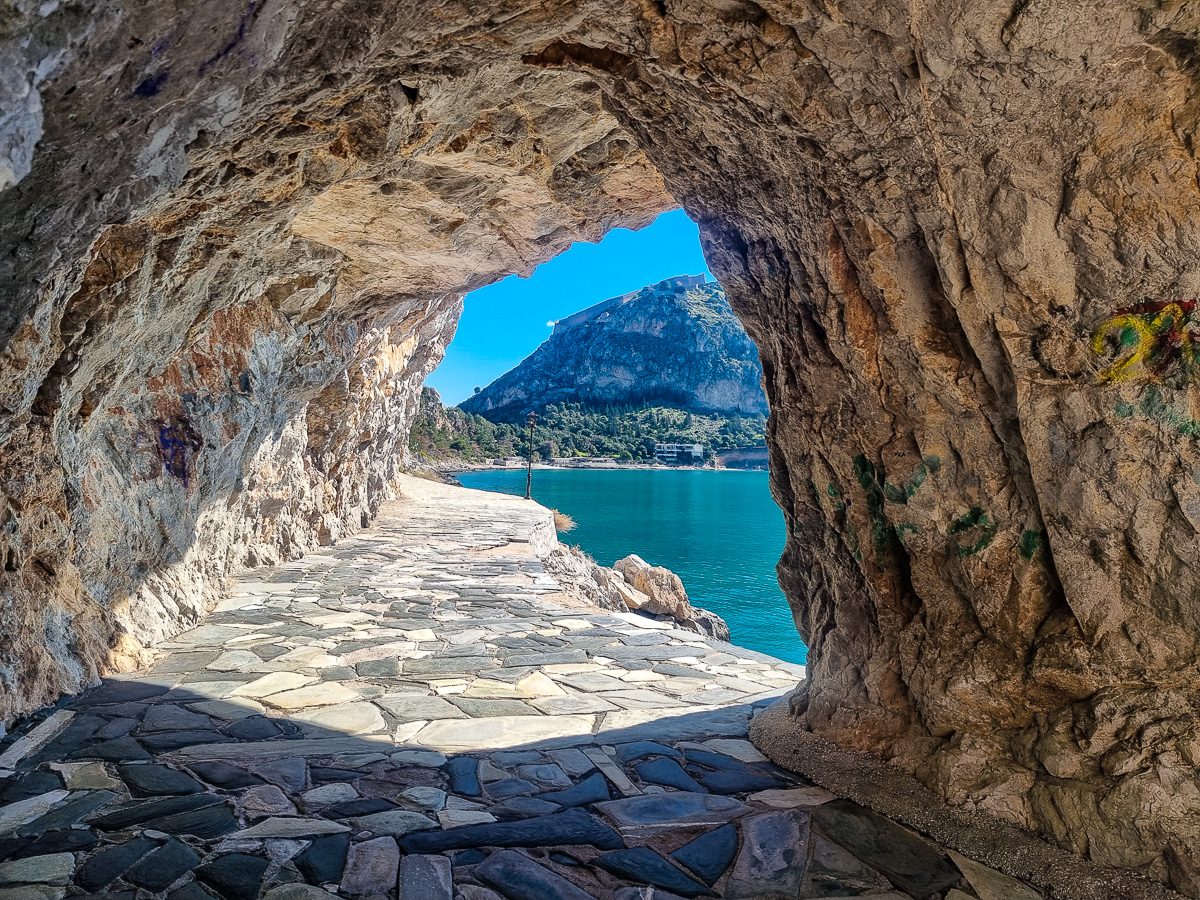
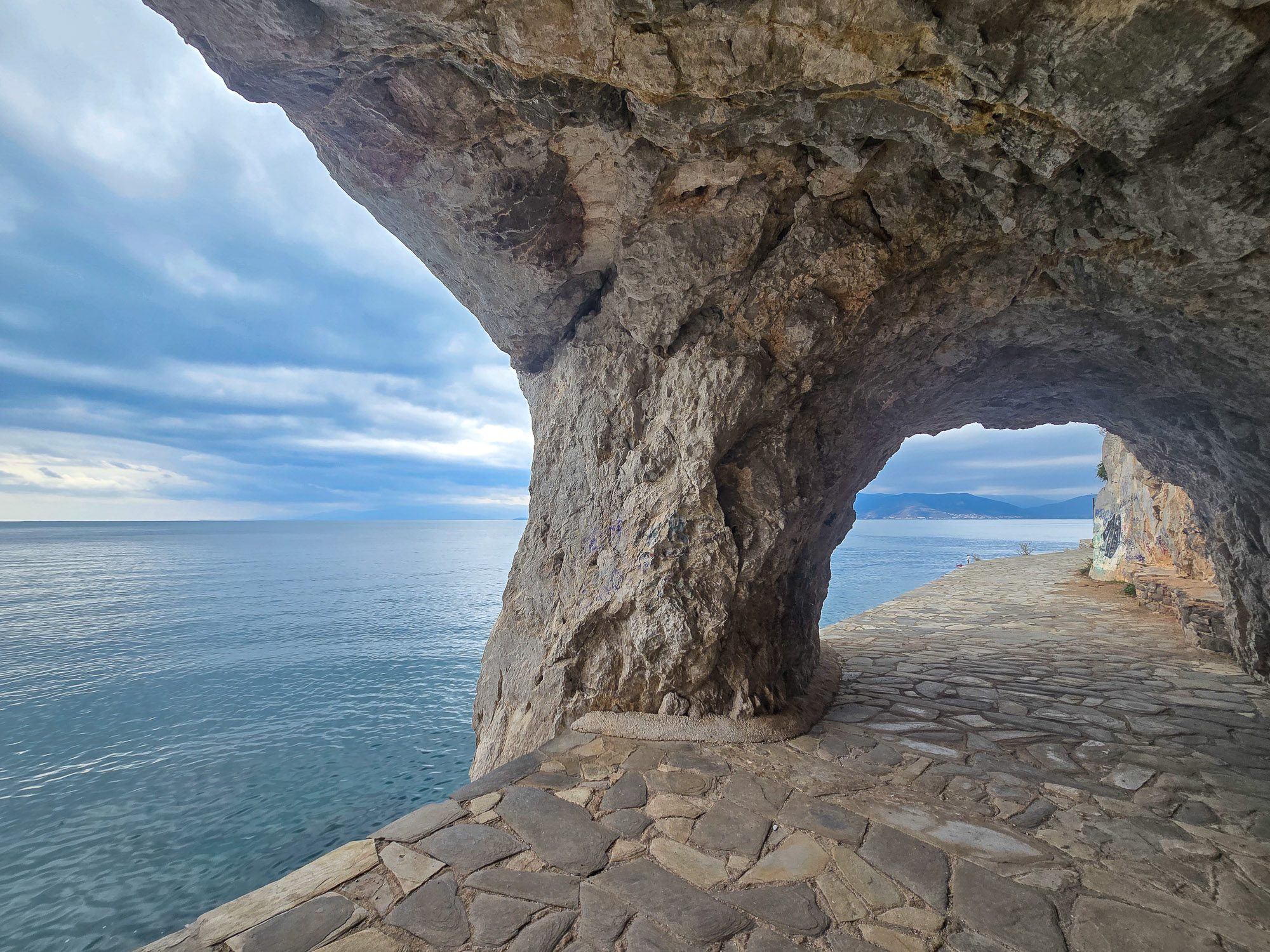
Arvanitia Promenade, sometimes called the Arvanitia Coastal Walk is one of my favourite places to take an early evening stroll. It runs beneath the cliffs of the Palamidi Fortress, linking Arvanitia Beach with the far side of town. It is easy to access from the harbour front and is a wonderful circular walk that will take you away from the hubbub of the town. The carved out rock is almost as iconic as the castle that sits high above it. There is a risk, though. At each end of the pathway, there are padlocked gates barring entry with very clear signage “danger from falling rocks”. The risk is real. For those who are willing to take the risk (myself and all the locals included), you can step through a gap at the edge of the gate.
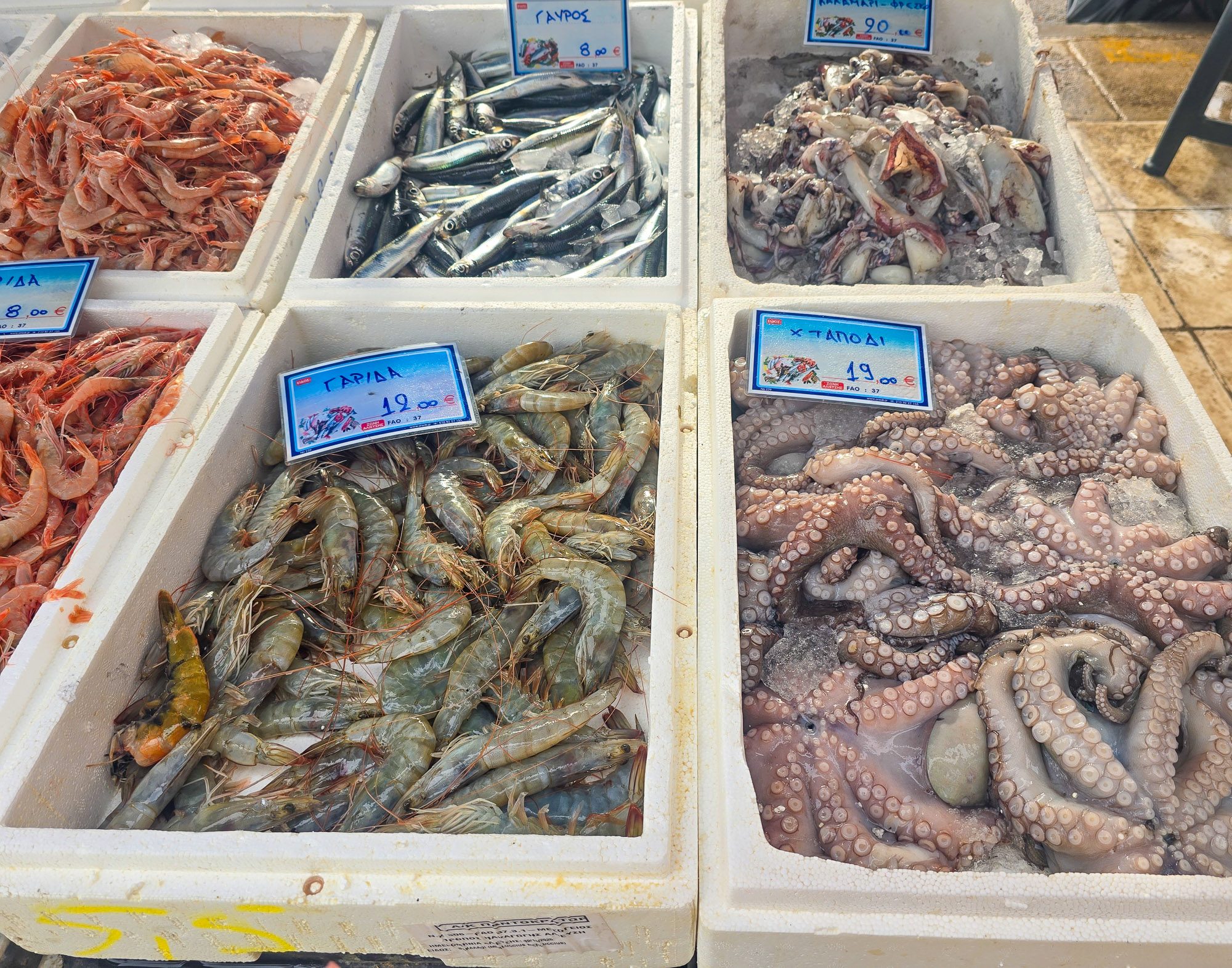
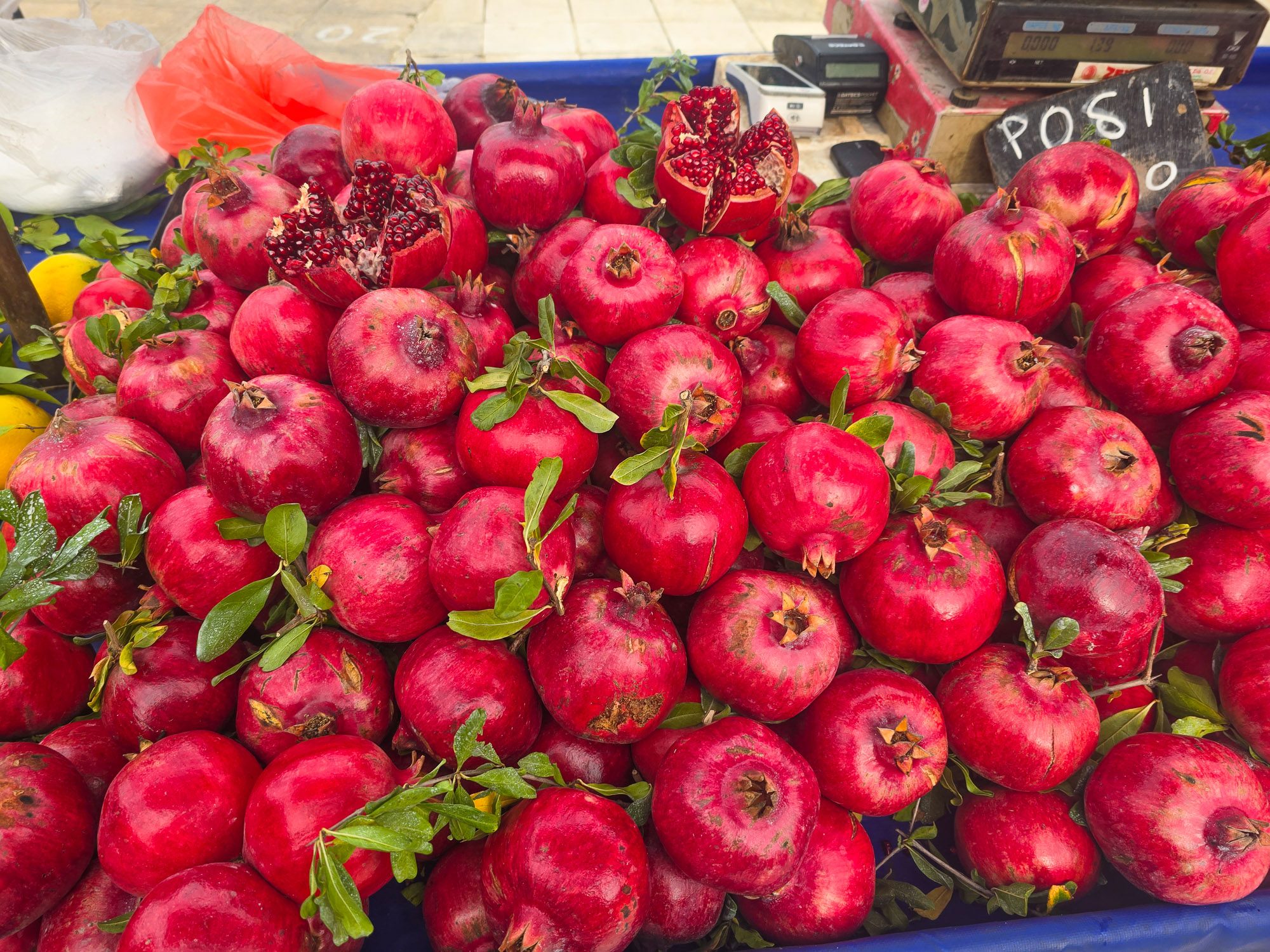
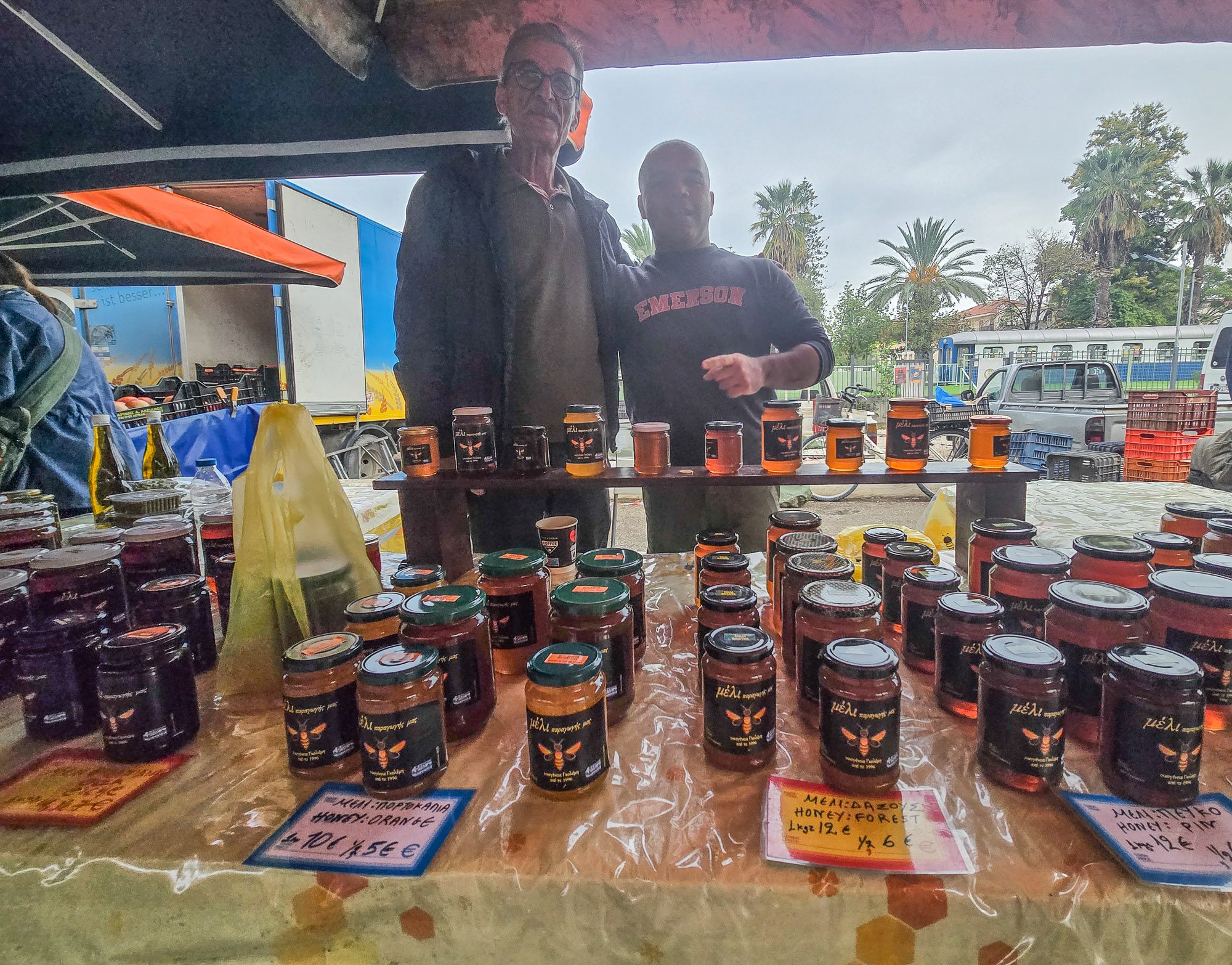
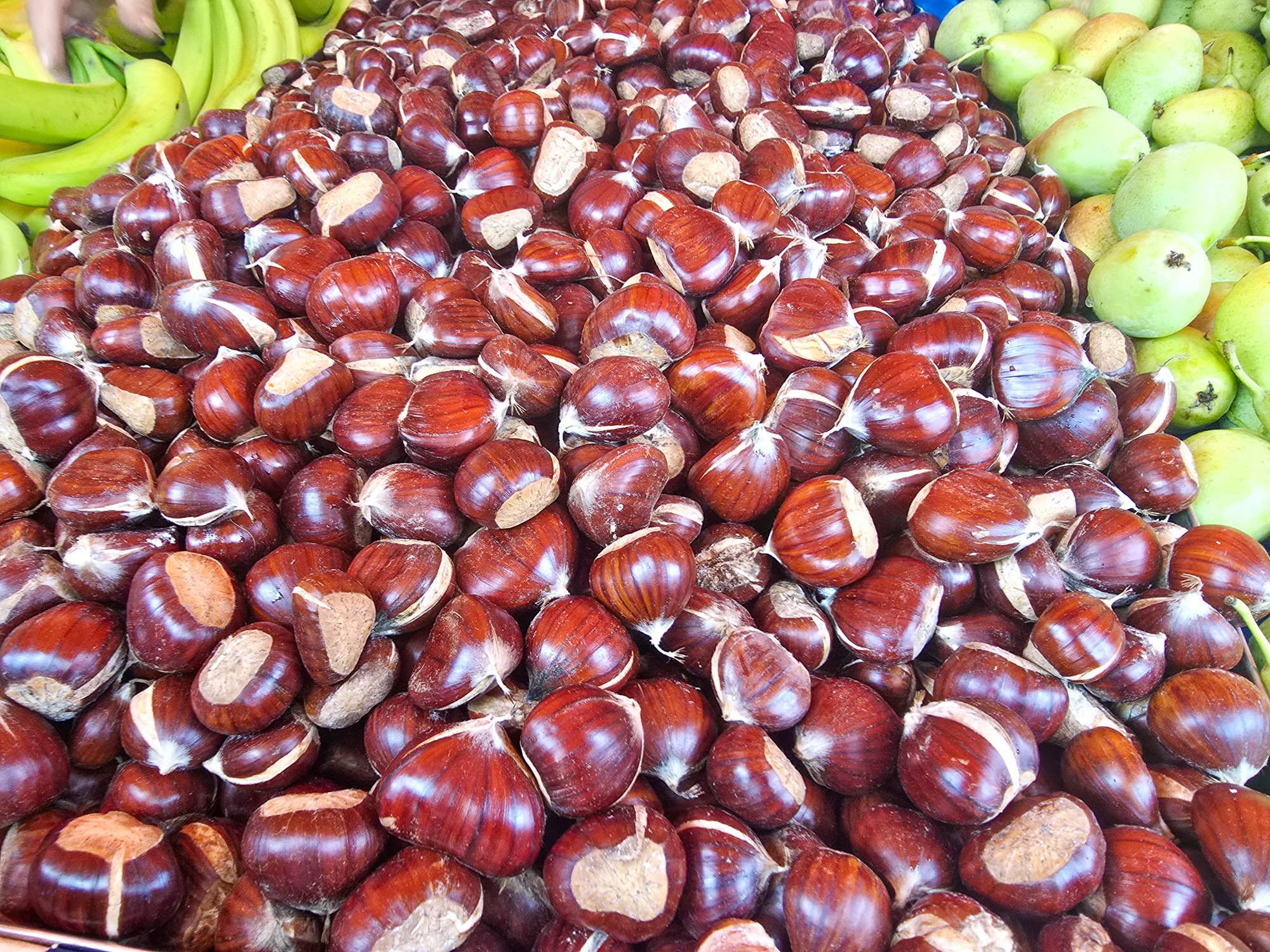
Nafplio Market takes place every Wednesday and Saturday and is most definitely worth a look. Just a short walk from the bus station, the market sells a vast array of local produce as well as household goods and clothing. My visit in late October meant bright and polished-looking chestnuts, pomegranates all rosy and ripe, olives, aubergines and pumpkins. And then, without any real logic, bras and socks. Could I squeeze one more jar of honey in my case? Of course I could!



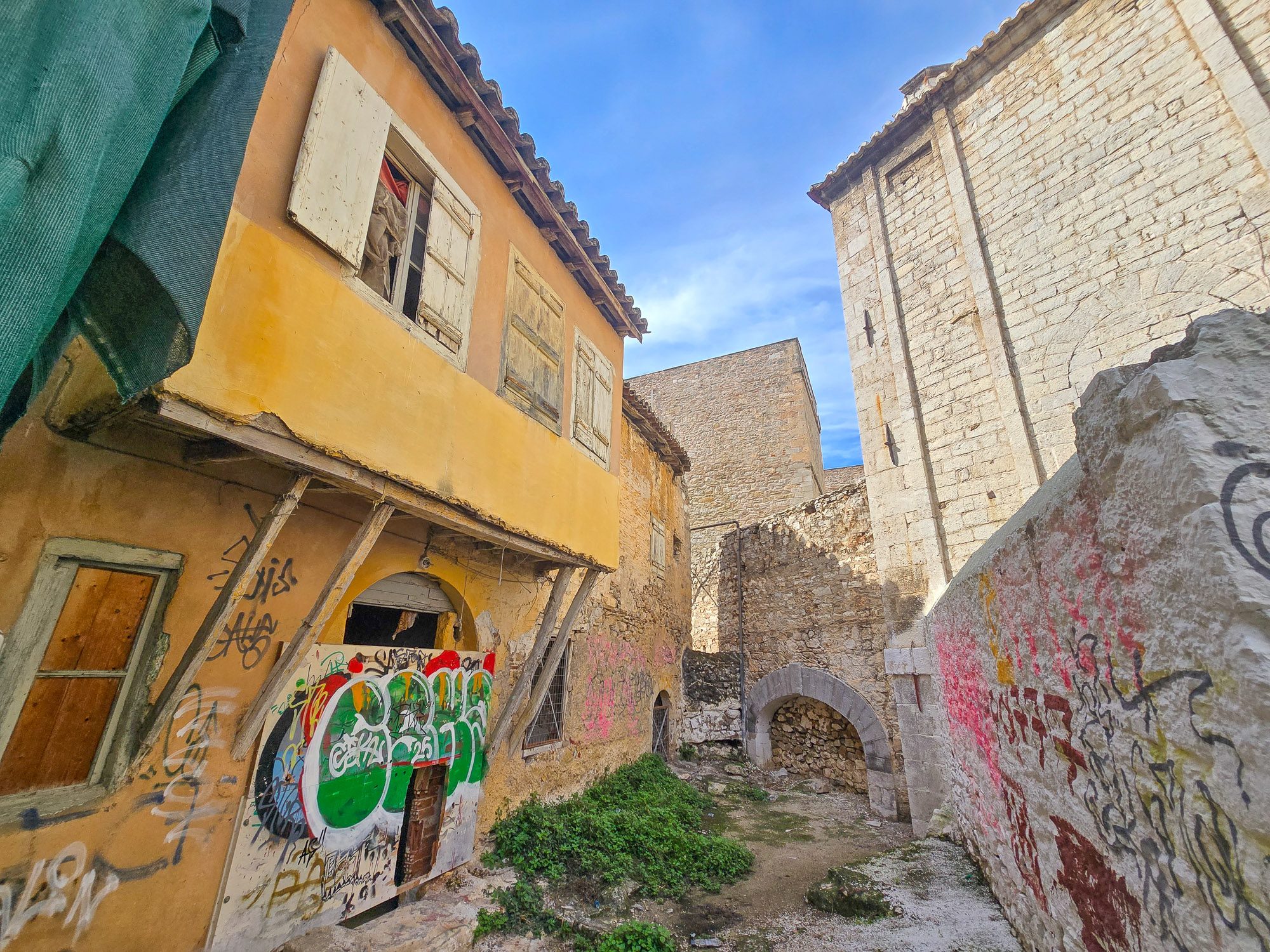
Nafplio is an excellent place to carry out my favourite pastime – hunting down old, atmospheric buildings to photograph. The architecture of the town is multi-layered with deep Ottoman and Venetian influences at every turn. A new little corner that I discovered was a cluster of tumble-down houses just at the back of the Agha Pasha Mosque, renamed as the Vouleftikon. If anything summarises what I love in a certain type of architecture, this was it. Ottoman/Balkan-style houses with the overhanging sachnisi, now clinging on for dear life. Brightly coloured facades are now covered with the patina of time. It moves something in me that I can’t explain.
I’d passed the Vouleftikon many times but never really stopped to appreciate how significant the building was. Built in the early eighteenth century during the rule of Agha Pasha, it was later converted into Greece’s first parliament building when Nafplio became the first capital of modern Greece after the Greek War of Independence.
One of the famous figures behind the victory was Theodoros Kolokotronis, a military leader with ideas and influence, who helped secure Nafplio for the Greek cause. But then things got messy. Winning the GWOI was one thing, but deciding on how the new state should be ruled was another. Initially, Greece was governed under Ioannis Kapodistrias, who tried to impose some kind of central control. That didn’t sit well with everyone, and tensions grew. Kapodistrias was eventually assassinated in Nafplio in 1831, by the Mavromichalis brothers from the Mani.
The great powers at the time – UK, France and Russia took it upon themselves to install the young Bavarian prince, Otto, as king, which of course served their own agendas.
This is where Kolokotronis’ situation changes. The new Bavarian-led administration saw figures like him as a potential threat rather than an asset. He was accused of plotting against the state, and in 1833, he was arrested, put on trial, sentenced to death and imprisoned in Palamidi Fortress, above the town he had helped to take during the war. The irony in that isn’t lost.
The death sentence was never carried out. After 11 months of imprisonment, he was pardoned by King Otto himself and released. Later, he was even brought back into favour and served as an advisor. As for the town itself, Nafplio’s time as capital didn’t last long. In 1834, the capital was moved to Athens, which was seen as more symbolic of ancient Greece and a better long-term choice. But for that brief period, Nafplio was where everything happened.
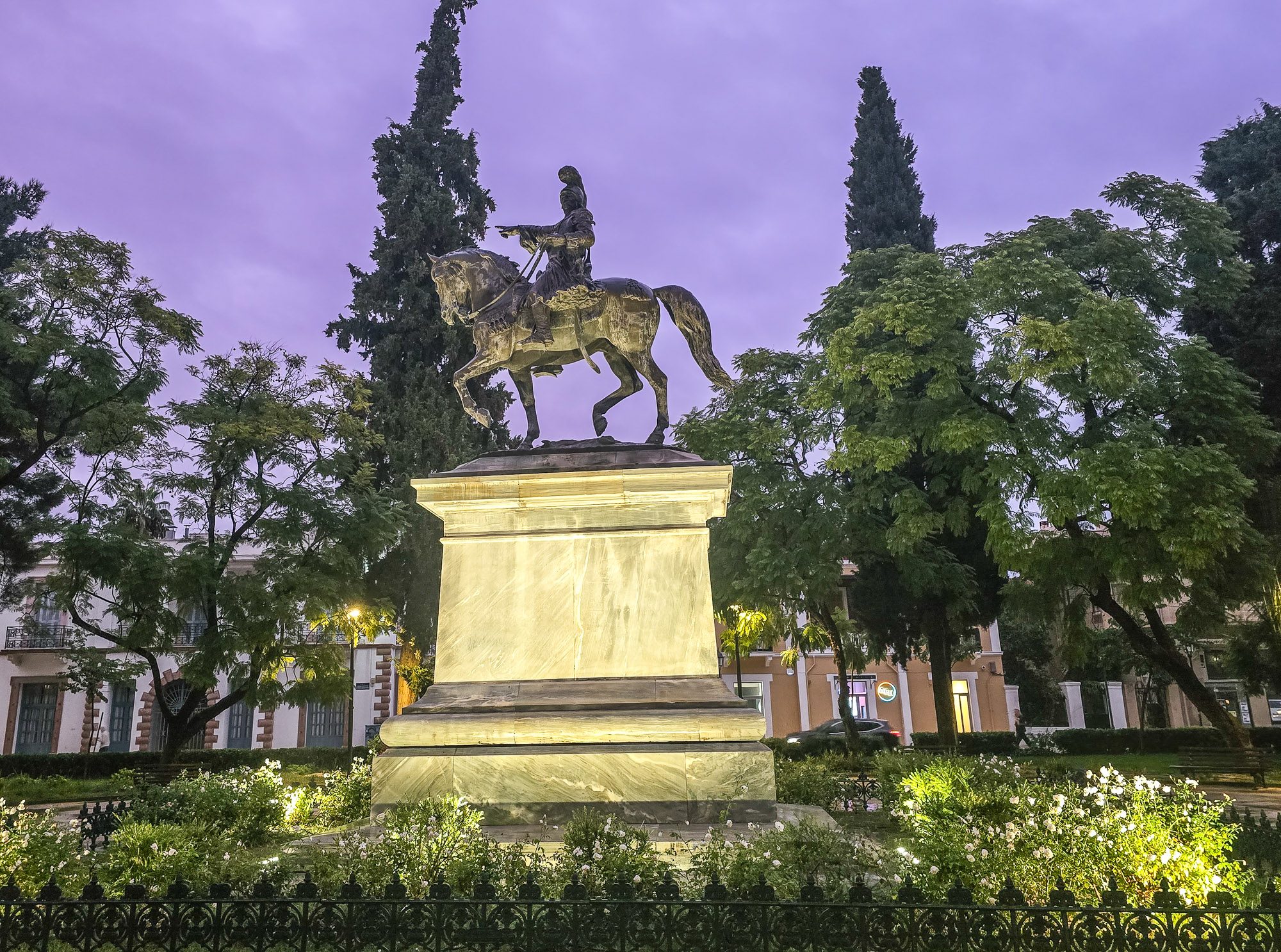
The presence of Kolokotronis is still felt in the small park dedicated to his bravery and contribution to Nafplio and to Greece.
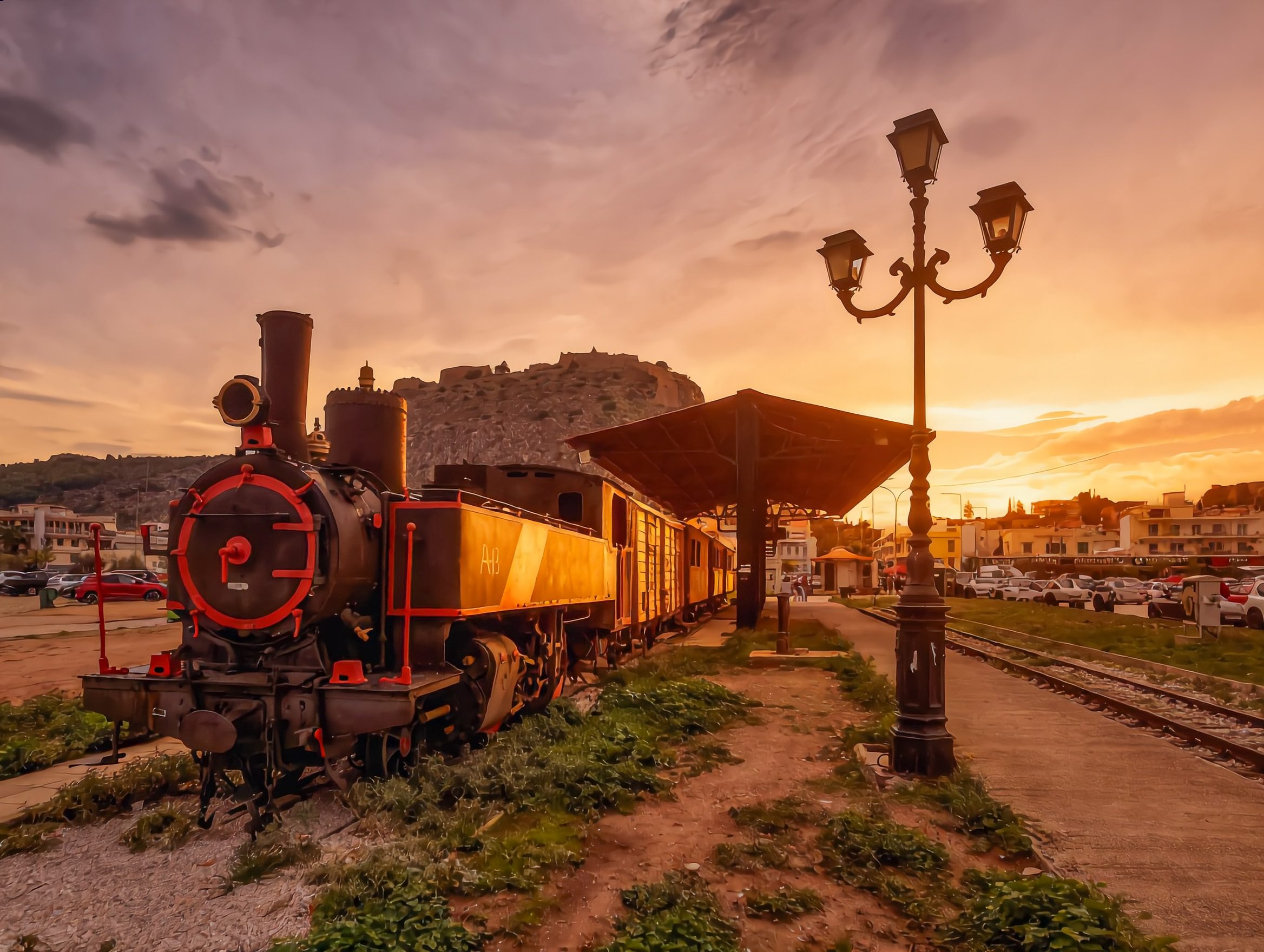
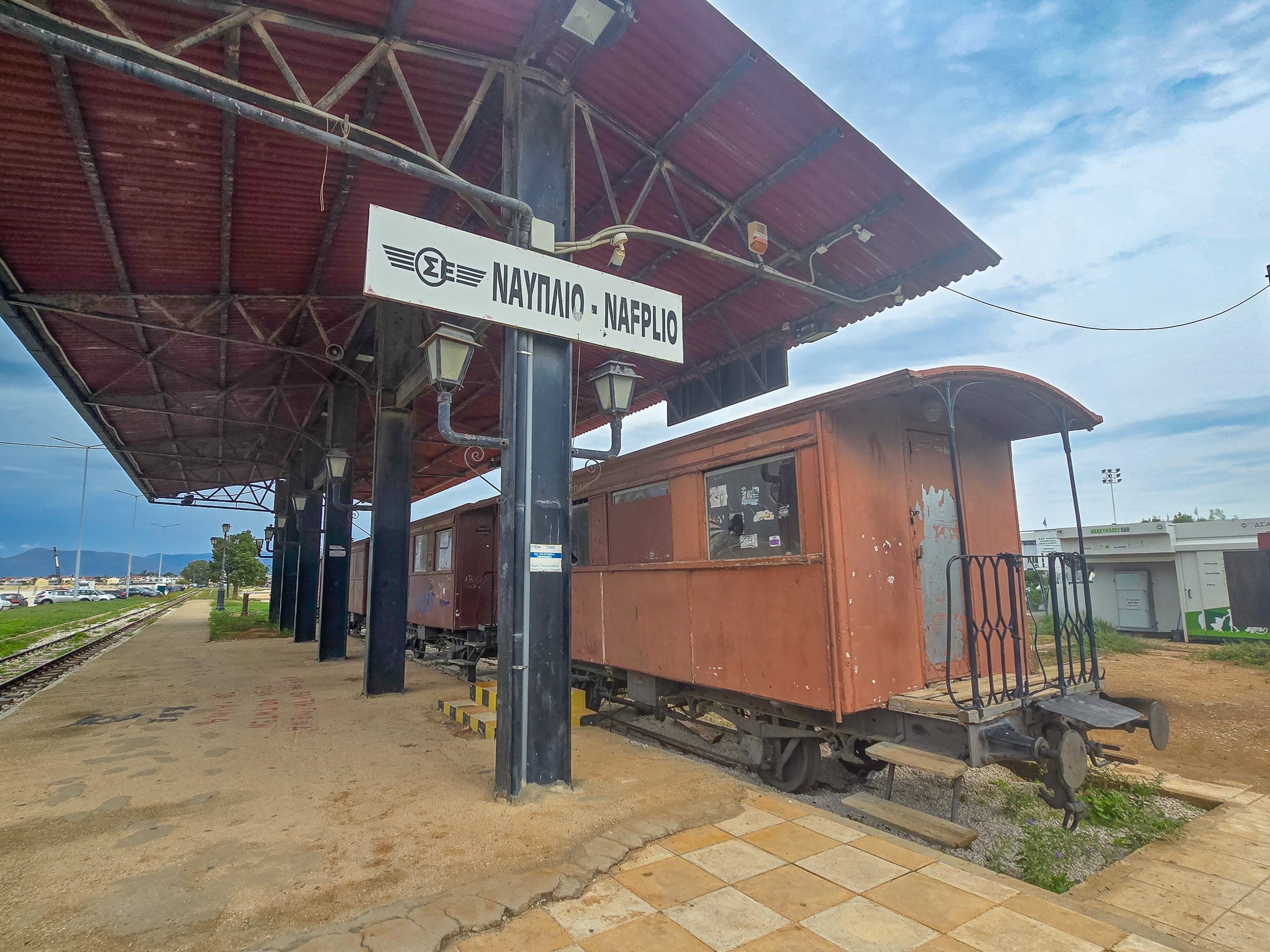
It was near the statue of Kolokotronis that I discovered another hidden and yet connected corner – the remnants of a collection of old train carriages that nowadays serve as a canvas for graffiti. Following the tracks, I was led to the old Nafplio train station. Not much survives apart from the platform, some tracks and a rusting steam train. But it’s interesting. Before I started writing my book How Greece Moves, I’d already become fascinated by Greece’s railway history. Greece isn’t a train country, but what does exist or rather what used to exist, showed an ambition to connect the sporadic outreaches of the country, much in the same way the new state of Greece tried to connect the country politically.
How Greece Moves eBook
The old Nafplio Railway Station was part of the Peloponnese railway network, built in the late 19th century when Greece was trying to connect itself more effectively.
The line reached Nafplio in the 1880s, linking it with Argos and on to Corinth and Athens. By then, Nafplio was no longer the capital, but the railway kept it within reach. Unfortunately, like much of the network, it declined as roads took over, and the line to Nafplio was eventually suspended in the early 2010s. There have been attempts to bring parts of it back, but nothing has returned here. And I think that’s a shame.
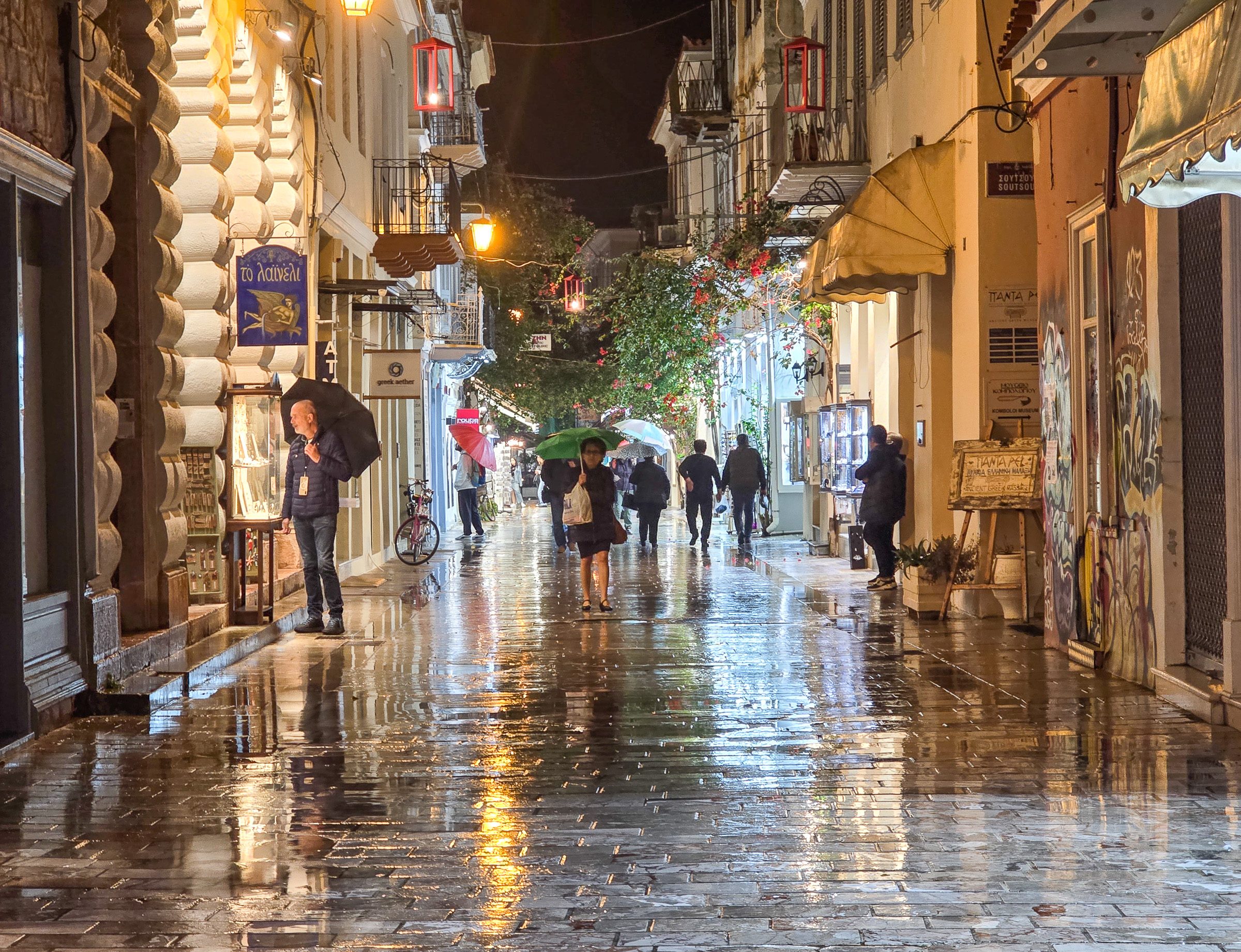
During my stay in Nafplio, the rain came. Sporadic and sometimes heavy – but have waterproof will travel. The rain-sodden streets only served to enhance Nafplio’s beauty even further – if that was possible. On the brighter days I continued to amble around the harbour and up into the old town, dining at whichever restaurant took my fancy. I tried to push thoughts of the end of the journey away and made the most of the rest of my time.
In the next post, I pay a visit to somewhere that picks up the golden thread that has woven itself throughout the journey – stories of Greek history in Asia Minor and the population exchange of 1923.
If you’re an independent traveller in Greece, check out A Greek Oddity’s Travel Planning Toolkit
Discover more from
Subscribe to get the latest posts sent to your email.
MY BIG FAT GREEK TRAVEL SURVEY
How do you really plan your Greek adventures? I'd love to hear from you.
TAKE THE SURVEY →