
From Spetses to Ermioni via Kosta and Kranidi
Ermioni is a small harbour town on the eastern Peloponnese, often overlooked in favour of nearby islands like Hydra and Spetses. But this working town, set on a narrow peninsula with two contrasting harbours, offers something different — a slower pace, a sense of place, and easy access to both the mainland and the Saronic islands. After leaving Spetses, I spent two nights in Ermioni to see what lay beyond the obvious — and found far more than expected.
“Where will you go after Spetses?” my host Aggeliki asked.
“I’m thinking of heading over to Kosta and then up to Kranidi.”
She looked at me with confusion. “Why do you want to go there? There’s nothing there. It’s just an ordinary town.”
Little did she know that this made it somewhat more interesting. I have a longstanding fascination with the ordinary, the functional, the unpolished. I don’t need all the whistles and bells to make a place worth visiting.
Plans shifted slightly the night before departure. Athens had briefly crossed my mind, but there felt like far more to uncover along this eastern edge of the Peloponnese. I settled on Ermioni, a small fishing town north-east of Kranidi, with the added pull of the coast.
The morning of departure arrived grey and drizzly. After ten days of largely kind weather on Spetses, the season was finally turning. Mid-October has a way of doing that. I headed to the harbour in the rain, waterproof retrieved from the bottom of my case, where the Katerina Express was being loaded for the short crossing to Kosta. Trucks stacked with crates of freshly harvested olives, commuters heading to the mainland, the odd traveller like me moving on.
Farewell Spetses – you’ve been a revelation!

The crossing was simple and brief. Spetses faded into the mist while the small orange water taxis darted back and forth across the strait, busy as ever. I still don’t fully grasp why people would pay for the water taxi when the ferry does the same crossing for a fraction of the cost, but horses for courses.
Kosta offered little in the way of direction on arrival. No obvious bus stop, no signage. Just the road stretching away from the port. A young man standing nearby confirmed I was in the right place. He spoke excellent English, a student with a sister in London and plans of his own to move there eventually. One of those brief and incomplete conversations that only seem to happen at bus stops. Aggeliki had told me that a bus runs from Kosta to Ermioni, but it seemed not in mid October. The driver told me that from Kranidi I would need to get a taxi – no problem.
The bus followed the road towards Porto Heli before climbing steadily inland. On the approach to Kranidi, older buildings gathered lower down, giving way to a more open, amphitheatrical layout as the bus continued up. A town built for living in rather than for showing off.
Kranidi is the administrative centre of Ermionida. Schools, services, daily life ticking along regardless of who passes through. It has character, but in a slightly faded way, and sits in contrast to what surrounds it – Porto Heli with its yachts and villas, Koilada with its fishing harbour rhythm, pockets of wealth tucked into the coastline. Kranidi sits in the middle of all of it, largely unchanged.
The bus dropped me in the centre, where a series of busy, narrow streets converged. Cafés and shops lined the pavements. Across the road, a small taxi rank. No taxis.
I waited. Then waited a bit longer.
Inside the wooden shelter was a telephone, wires trailing in various directions. I picked it up. A dial tone. Promising. A half-English, half-Greek conversation later, I put the receiver down with the vague understanding that a taxi was on its way. And it was.
Eight kilometres later, I arrived in Ermioni.
I’d booked a place the night before, Tiny by Goutos Luxury Living, on the basis that two nights would be enough to get a feel for the town. My host hadn’t realised the booking had come through, but it was sorted quickly. I was directed to a nearby café while the room was prepared, which felt perfectly reasonable. When it was ready, it was exactly what I needed. Compact, clean, with a side view across the deep harbour.
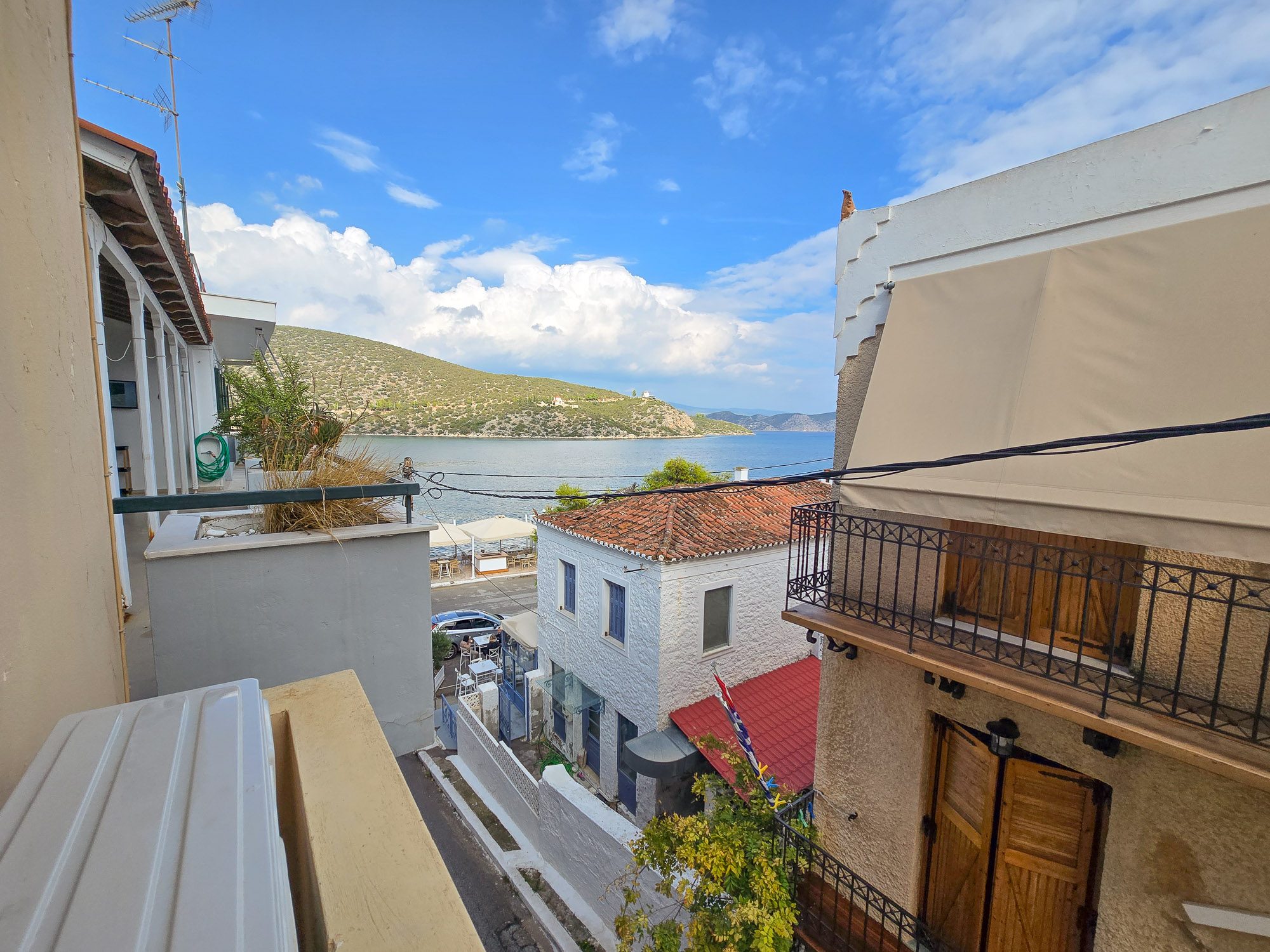
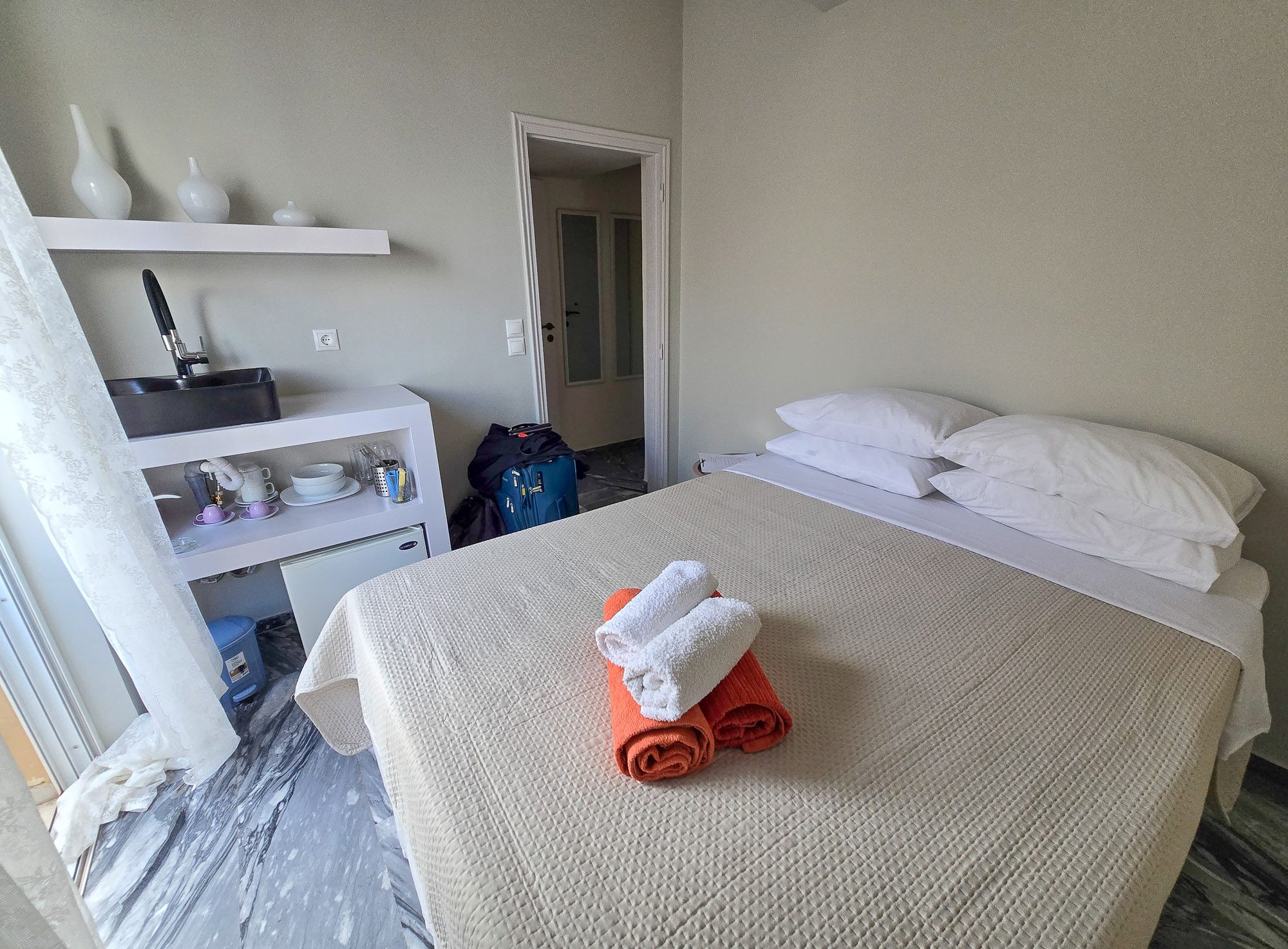
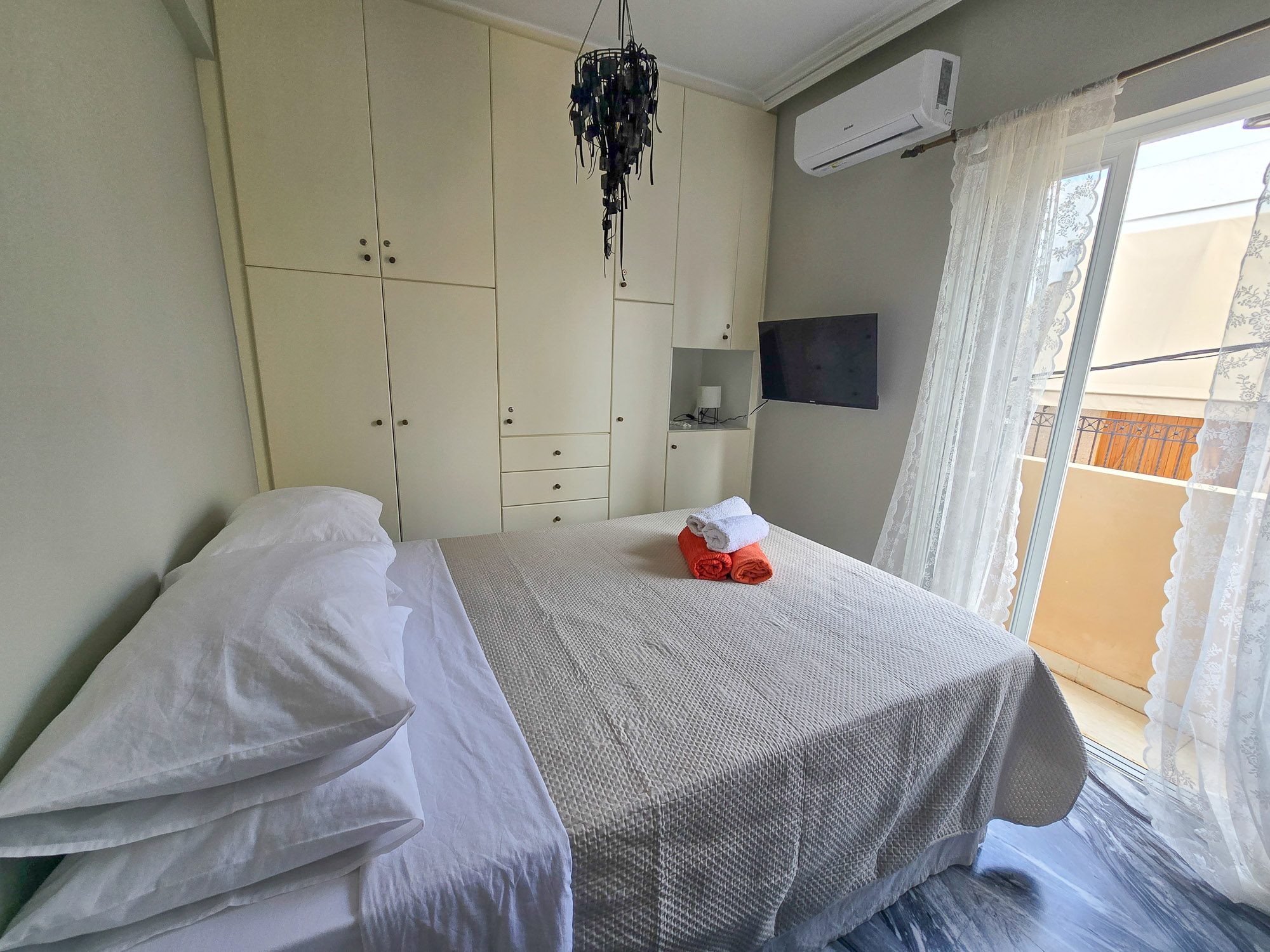
Set on a narrow peninsula on the eastern edge of the Peloponnese, Ermioni feels almost like an island attached to the mainland as an afterthought. It sits quietly in the Argolic Gulf, looking out towards Hydra across the water, and has the unhurried, self-contained quality of a town that has never particularly needed outside attention. The population is small, the pace is slow, and the infrastructure is geared towards people who live here rather than people passing through. Tucked within the curve of the peninsula, with a small islet sitting at the mouth of the bay, it felt enclosed, sheltered and safe.
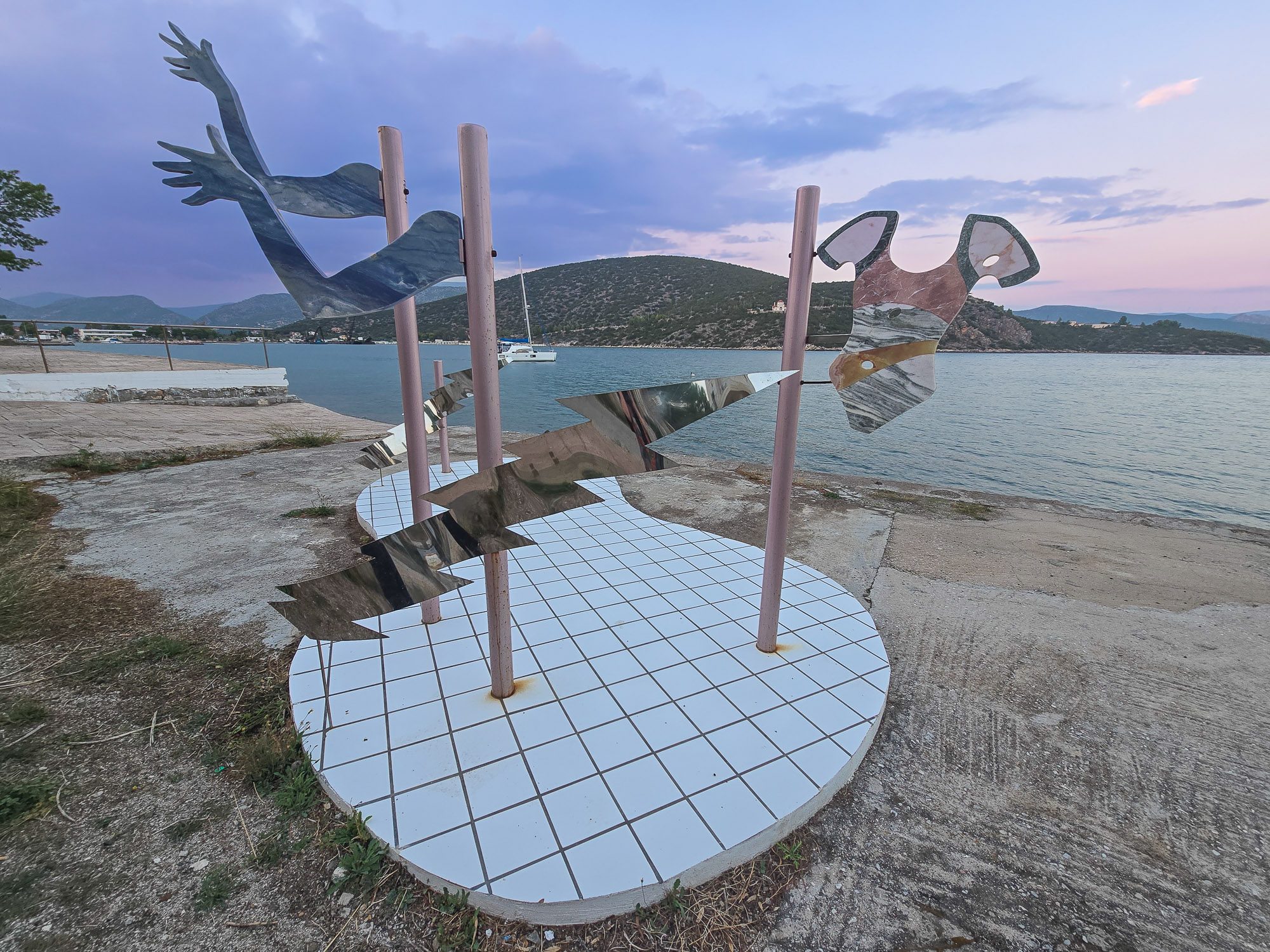
Rather than heading straight into the centre, I followed the harbour path towards the tip of the peninsula, known as Bisti. Sculptures and small pieces of street art appear along the harbour edge, details that give the place a bit of texture.
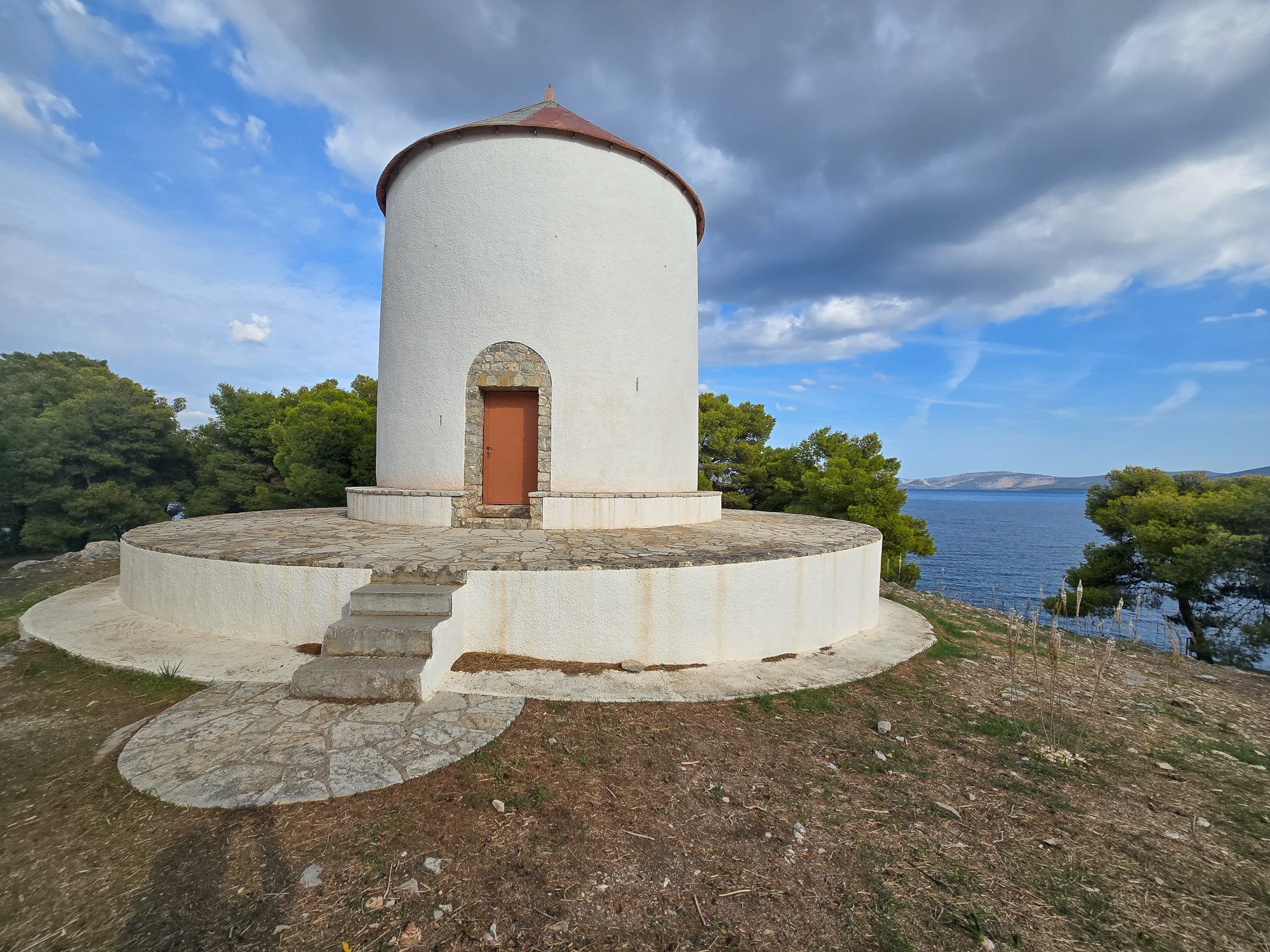
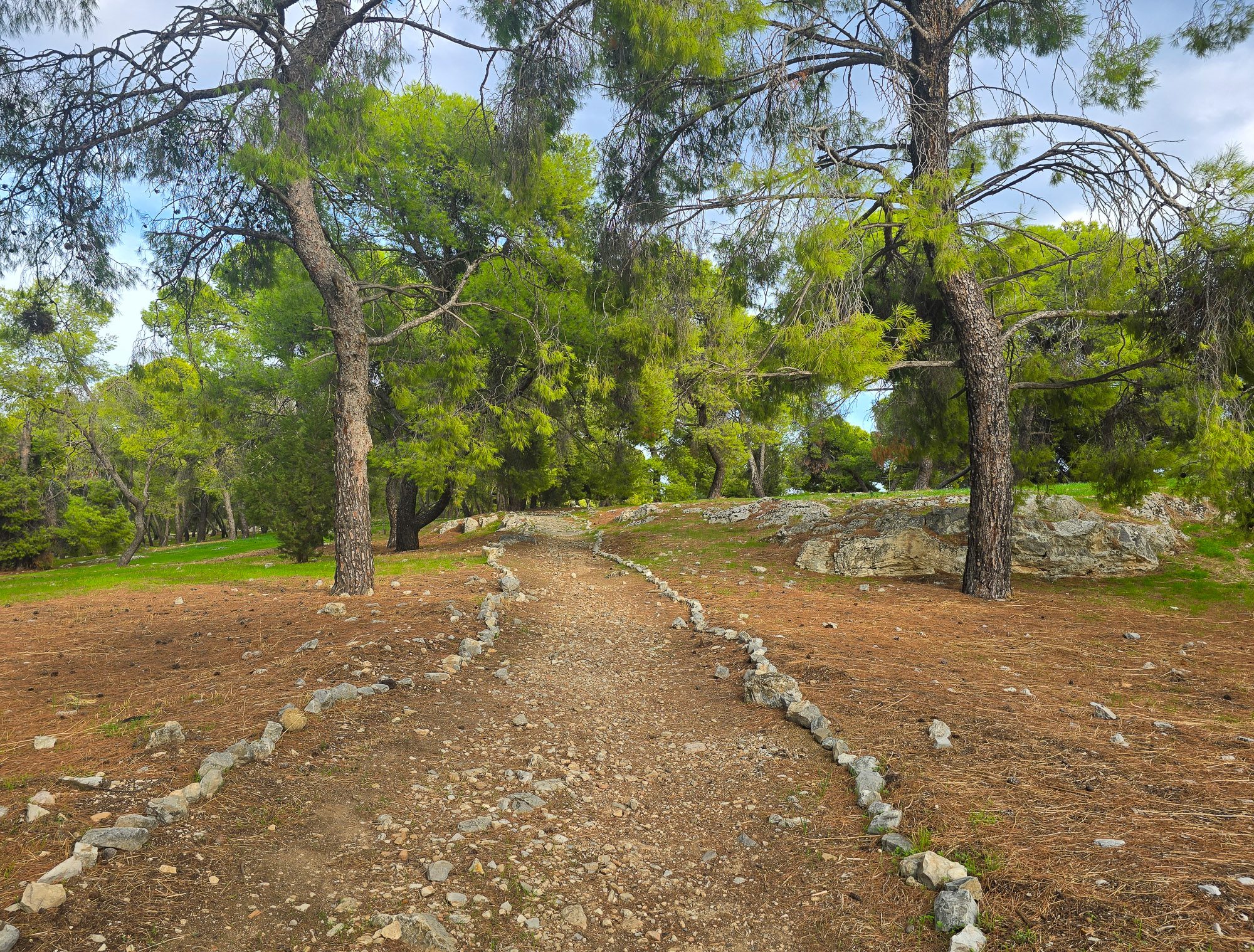
The whole tip of the peninsula is almost entirely covered in pine trees, criss-crossed with shaded paths and known locally as a place for walking and swimming. There’s a lighthouse, a windmill and scattered below the trees, growing among clusters of fuchsia-pink cyclamen, are the remains of the ancient city of Hermione. Ermioni has been inhabited since antiquity and was once a significant maritime centre. The fragments are understated and easy to miss, but they added an air of intrigue to an evening walk that a purpose-built promenade never quite manages.
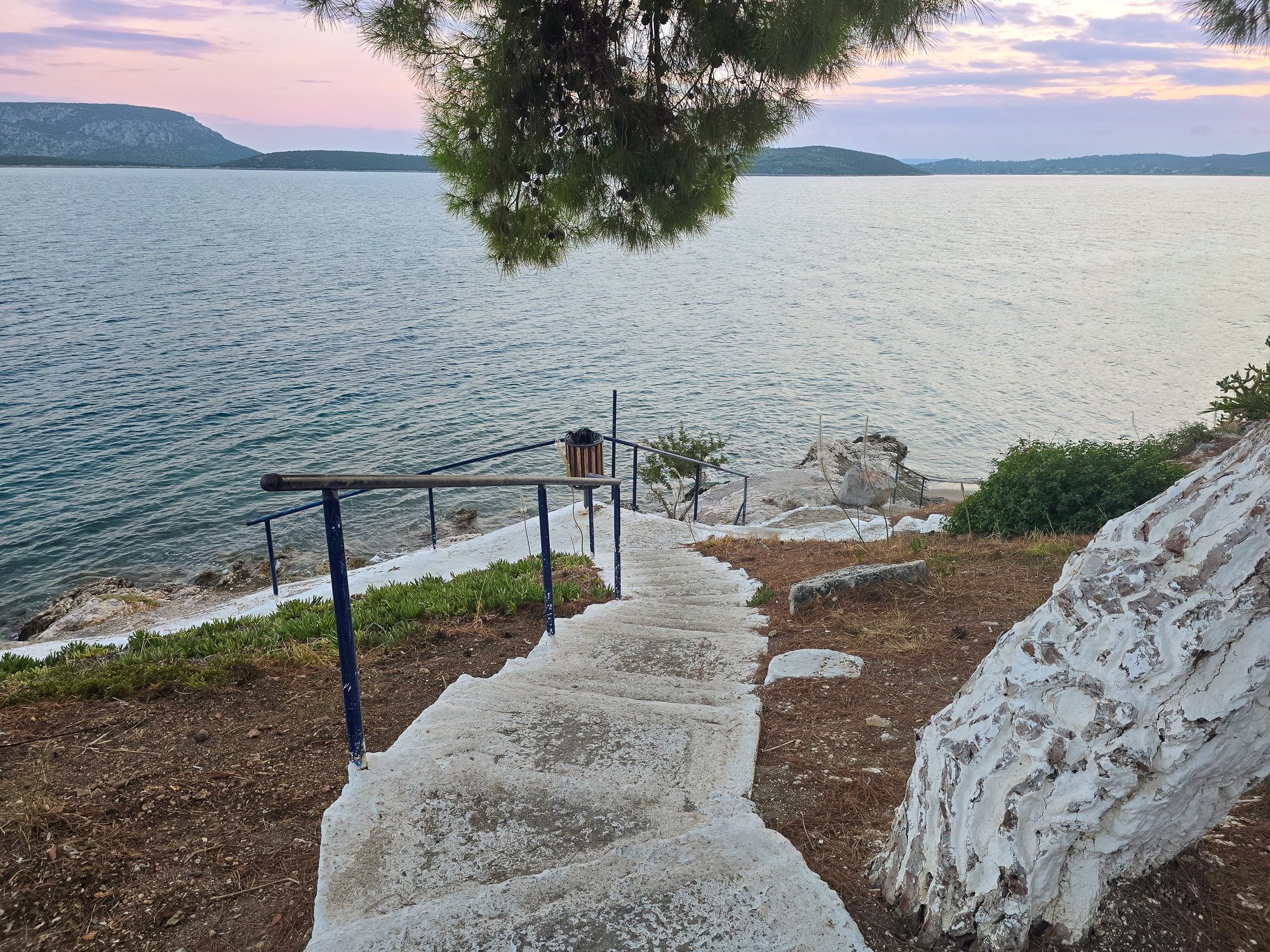
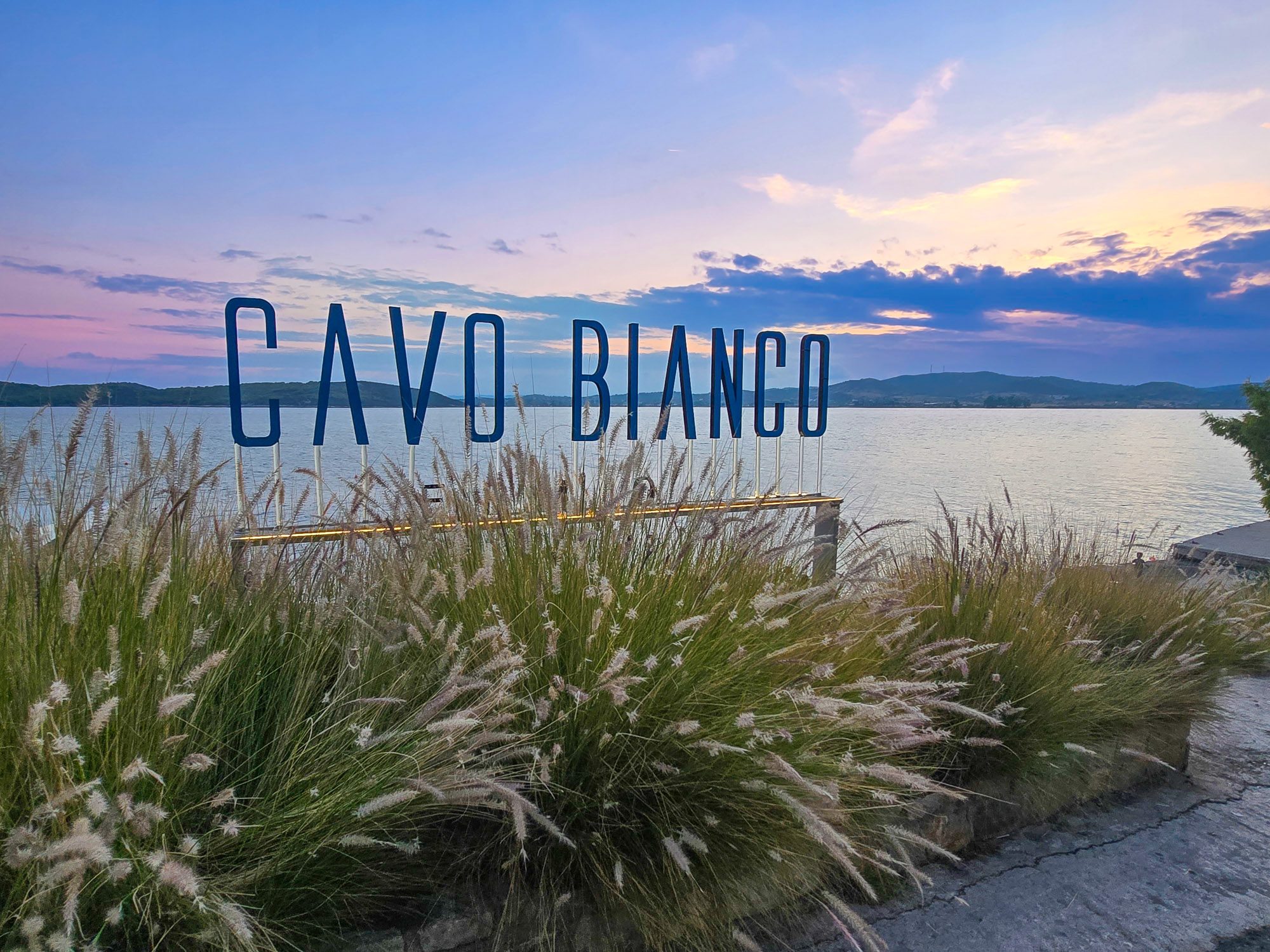
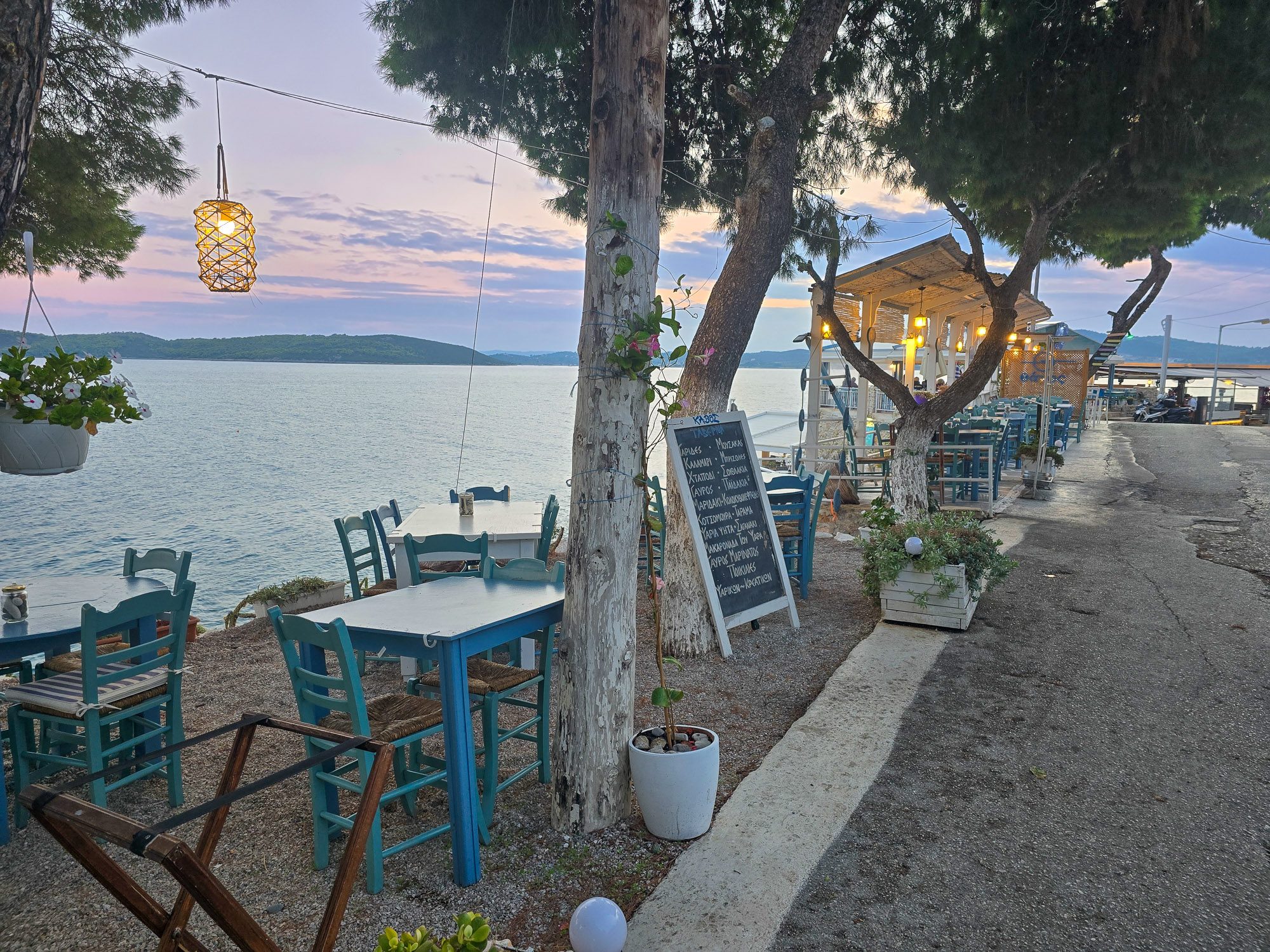
Cutting across a low rise to the other side of the peninsula, I found myself in Mandraki, Ermioni’s smaller harbour. Just beyond the small chapel of Agios Ioannis overlooking the sea sits Paralia Maderi, a tucked-away swimming spot that is easy to walk past if you don’t know it’s there. A little further, is a line of tavernas stretched along the water, backed by a handful of imposing-looking yachts. As dusk settled, I drifted back towards the main harbour. Plenty of choice for dinner, the kind of place where you can sit by the water and let the evening take its time.
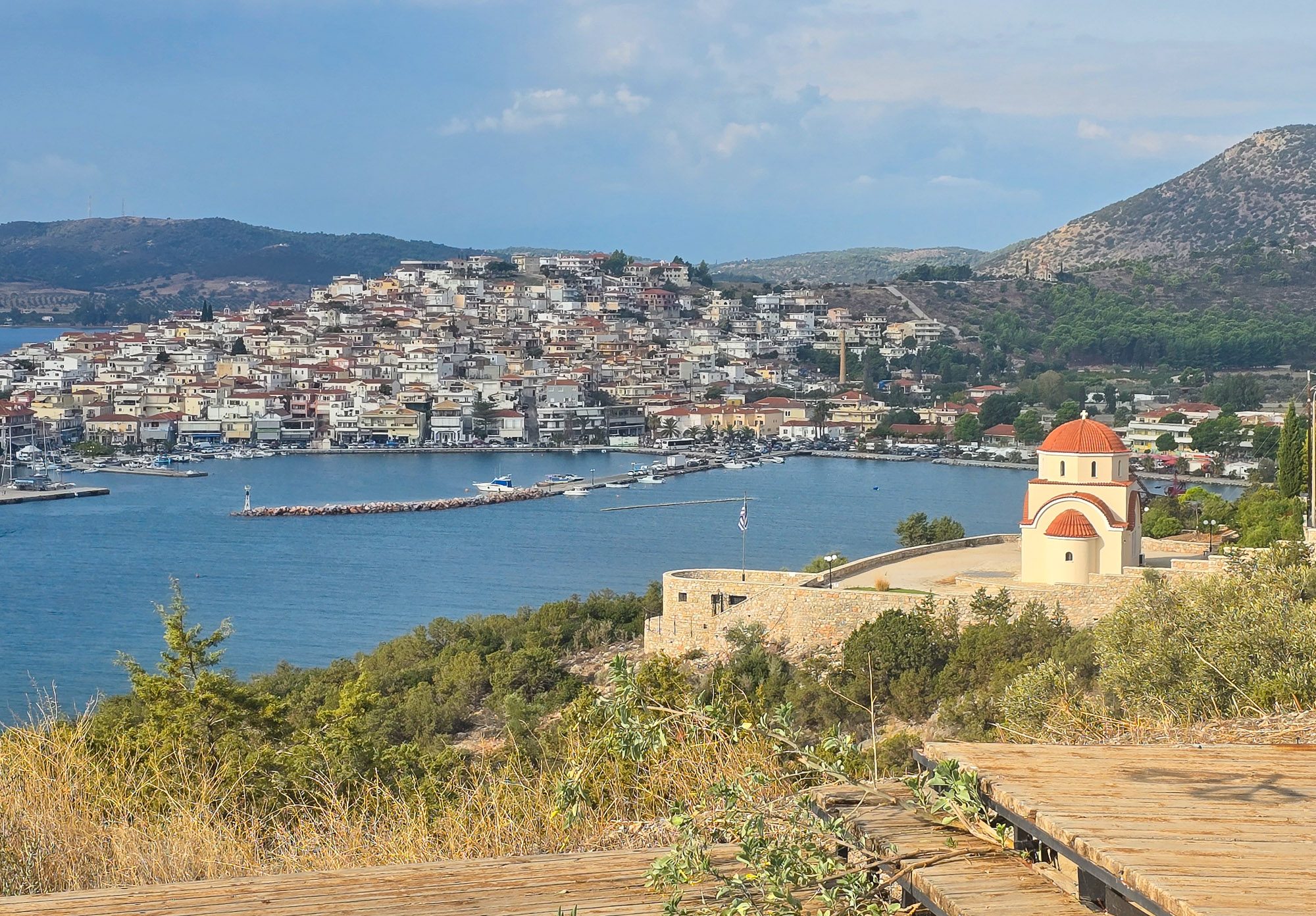
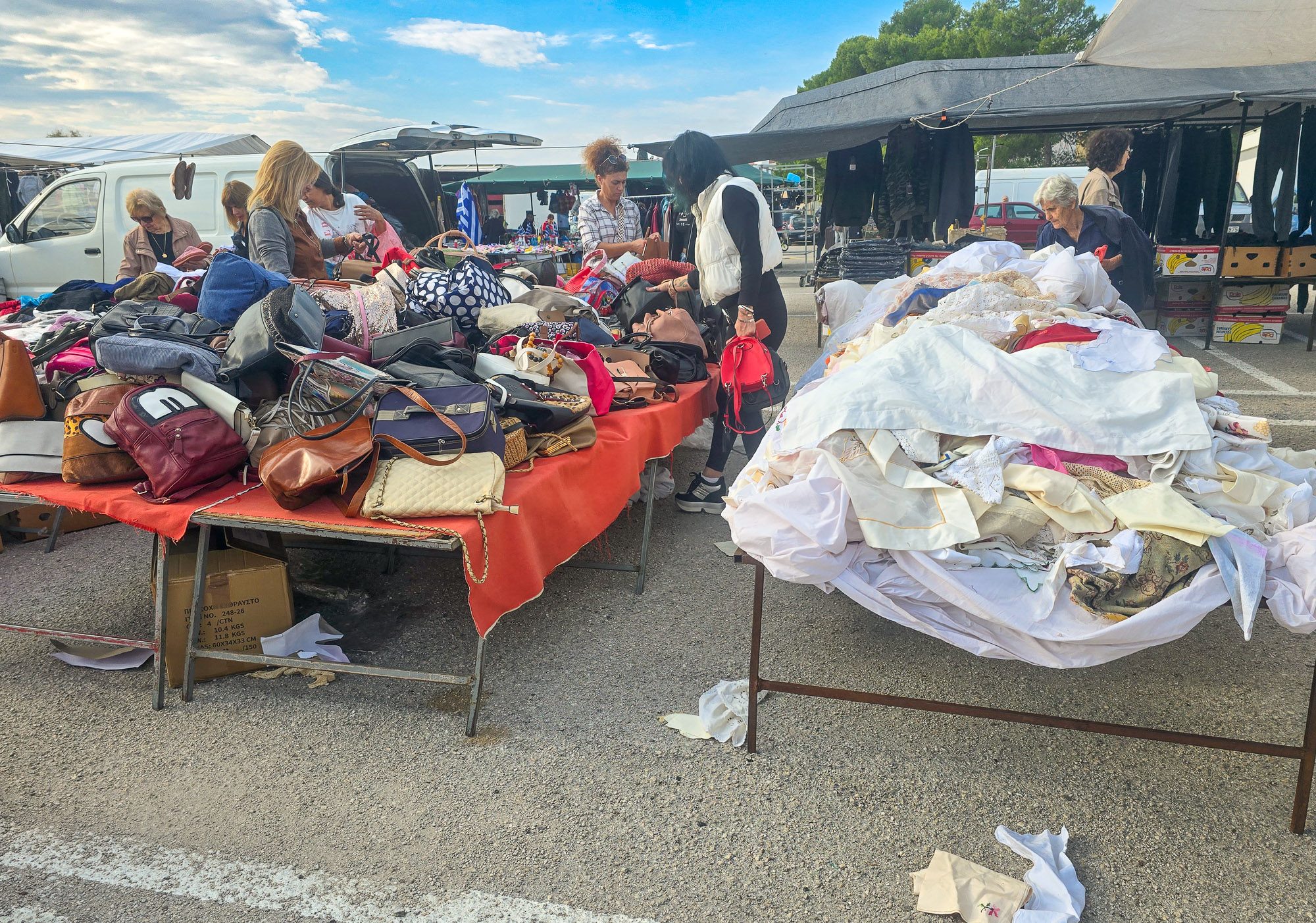
The following morning, my attention shifted to the hill across the harbour, where a church and a windmill sat high above the town, visible from almost everywhere. Walking through the streets, I came across a market in full swing, which provided an ideal opportunity to stock up on honey. I made a note to call back on the way down from my walk.
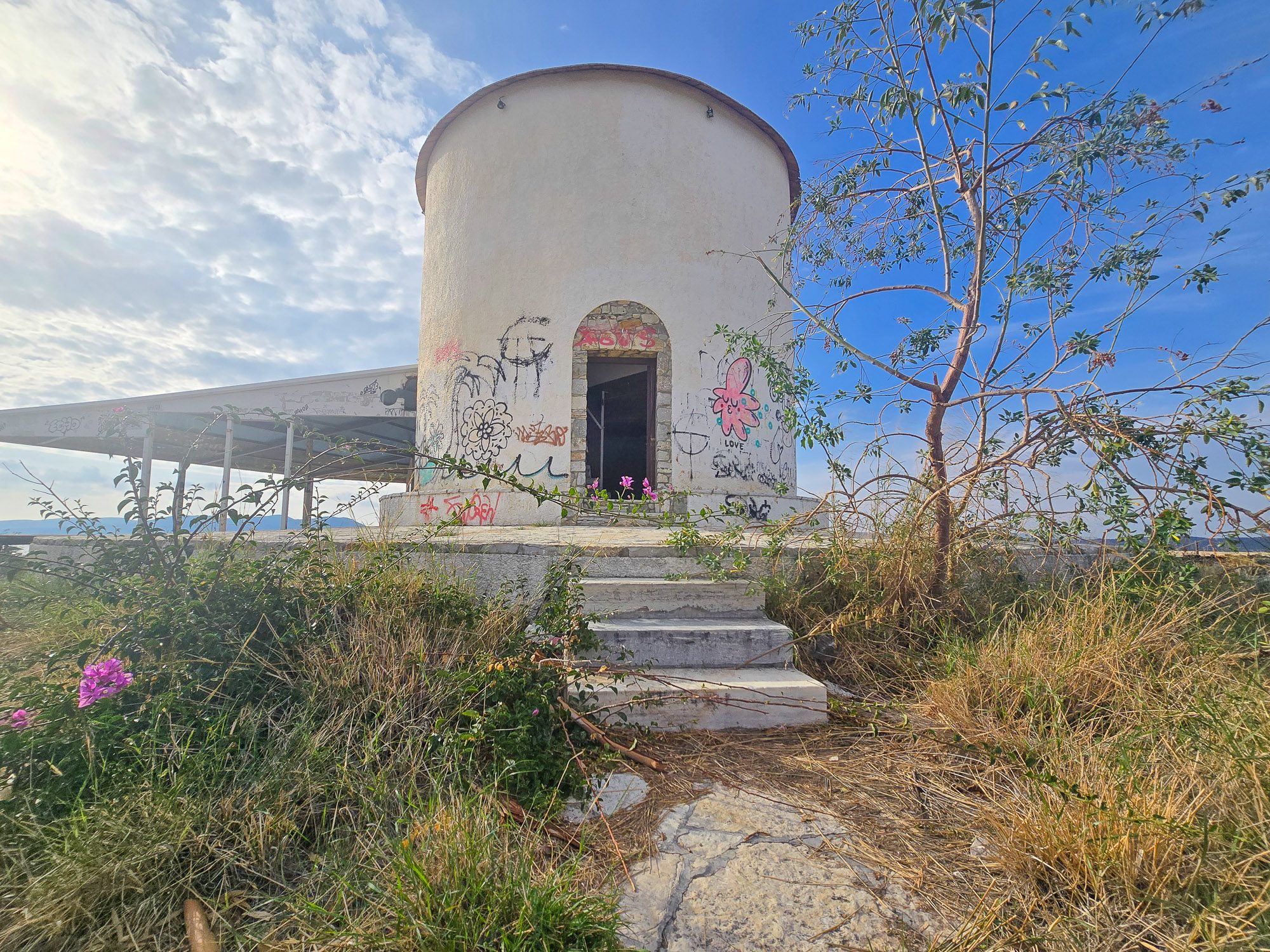
The walk began on a quiet road, gradually climbing above the harbour with widening views. Partway up sits the Church of Agios Gerasimos. Modest, whitewashed, and in keeping with the surroundings, it felt more like a local landmark than something aimed at visitors. Further on, the windmill. No longer in use, and seemingly left to slip into disrepair, which was a shame given its position. The view from up there took in both sides of the peninsula, the two harbours, and a broad stretch of open sea. Ermioni, laid out in full. Just spectacular.

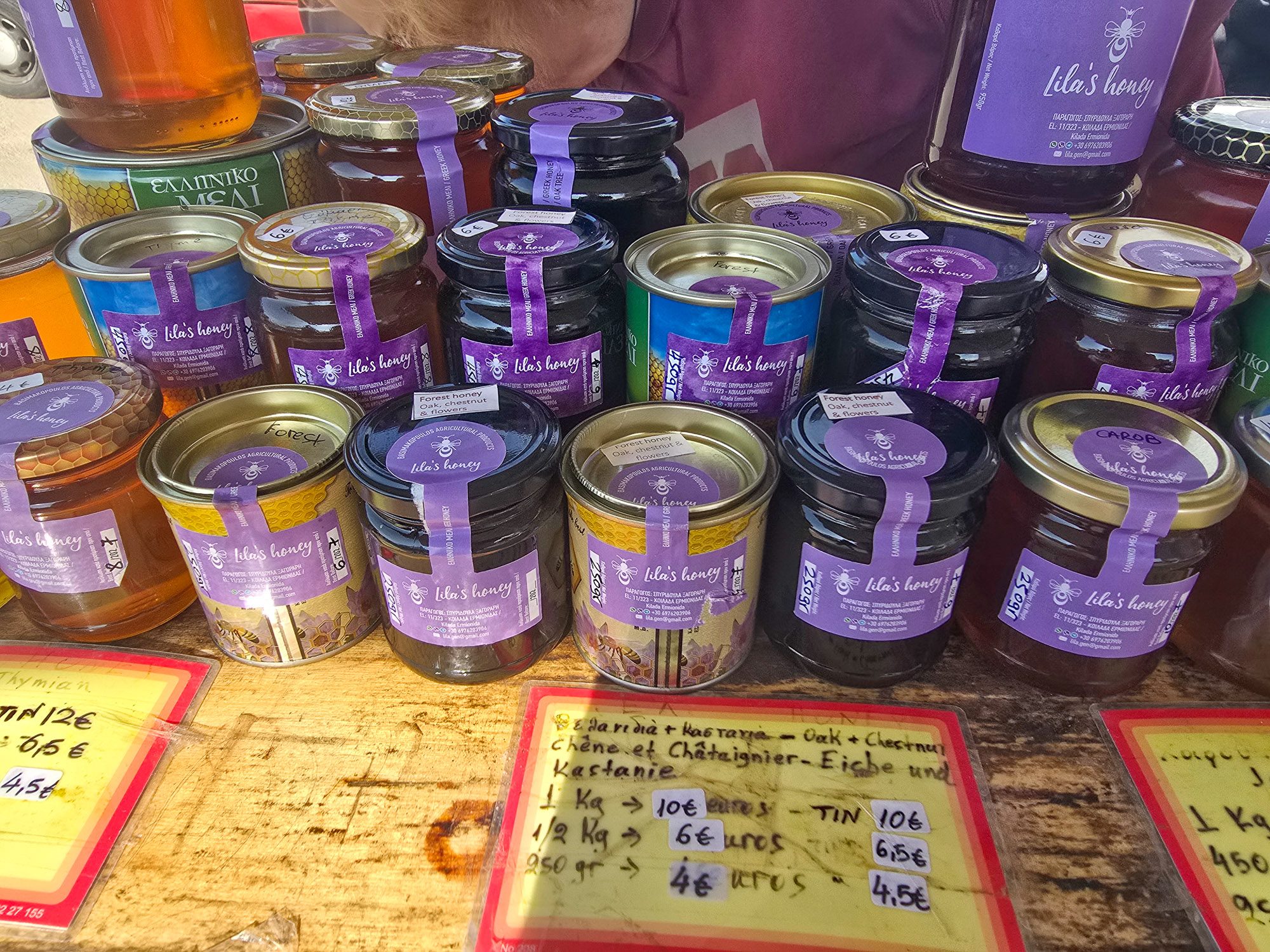
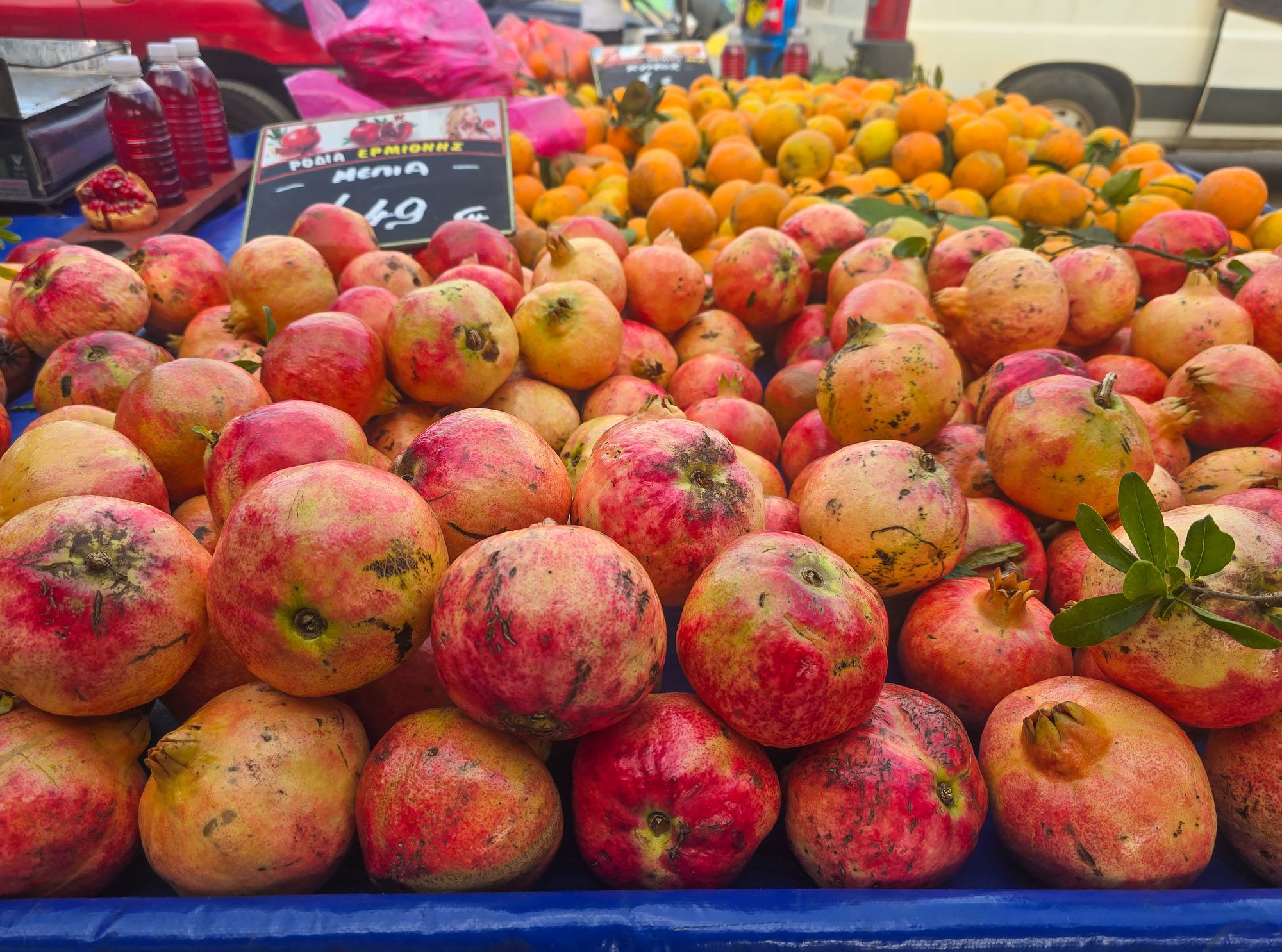
On my way back through the market, I bought several tins of honey. My favourites – oak and pine already in travel-safe tins instead of jars. Don’t you just love a market with tables piled high!

At that point, I felt I had covered as much of Ermioni as was possible on foot. On a last-minute impulse, I bought a ticket for the little boat that shuttles back and forth to Hydra.
Hydra sits just across the water from Ermioni and is close enough to feel within reach. I hadn’t been since 1993. It would have been rude not to have renewed my acquaintance.
The small boat departed from Ermioni’s main harbour with a ticket office along the main drag. For reasons that seemed sensible at the time, I chose to sit outside at the back of the boat. One other couple also sat outside, though within the shelter of the canopy. The locals headed straight inside.
They knew something I didn’t.

As we cleared the shelter of the deep harbour, the wind picked up, and the boat went up a few gears to enable it to power through the waves. Sitting at the back, I felt the full force of the throttle, a sensation not dissimilar to being sucked through a wind tunnel. I immediately regretted my choice of seat. The couple outside retreated inside. I wanted to follow, but I was honestly petrified of being thrown overboard as the boat hit oncoming waves. I guess I could have crawled across the deck on my hands and knees, but even my dignity has its limits. I gripped whatever seemed stable. My knuckles were white.
After skirting the shores of the mainland, the boat finally made a leap across the strait to Hydra harbour. Wind-beaten and slightly crispy with salt, I stepped ashore.
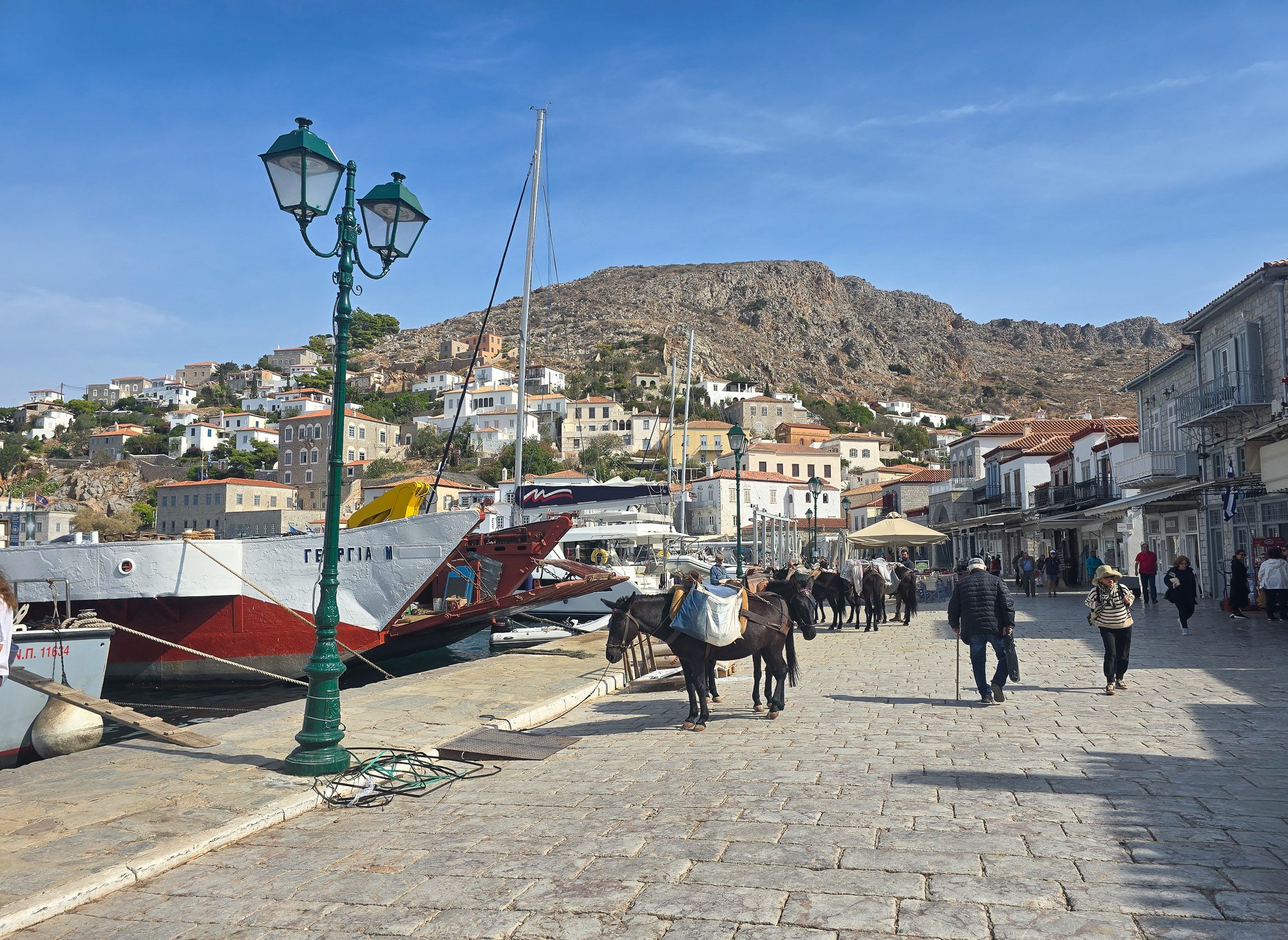
Some places change. Hydra hadn’t, not really. Whitewashed houses rising behind the harbour. Cobbled lanes climbing upwards. Bougainvillaea spilling over walls. Donkeys waiting along the quay. There are more cafés along the waterfront now, shaded under long canopies, but the essence of the place is the same. Hydra has always had a particular pull, not just on travellers passing through but on those who stayed longer than intended – poets, writers, artists and of course Leonard Cohen.
Hydra wasn’t always the polished, car-free beauty people see today. Its real story is written in salt and trade. By the early 19th century, Hydra had built a formidable merchant fleet, its captains sailing far beyond the Aegean and quietly accumulating wealth and influence. When the Greek War of Independence broke out, those same ships were turned to war, their owners funding the cause and their crews taking to the sea against the Ottoman navy. Figures like Andreas Miaoulis emerged from this world, but it was the collective weight of Hydra’s maritime power that helped tip the balance. What you see today may be elegant, but it was built on something far tougher.

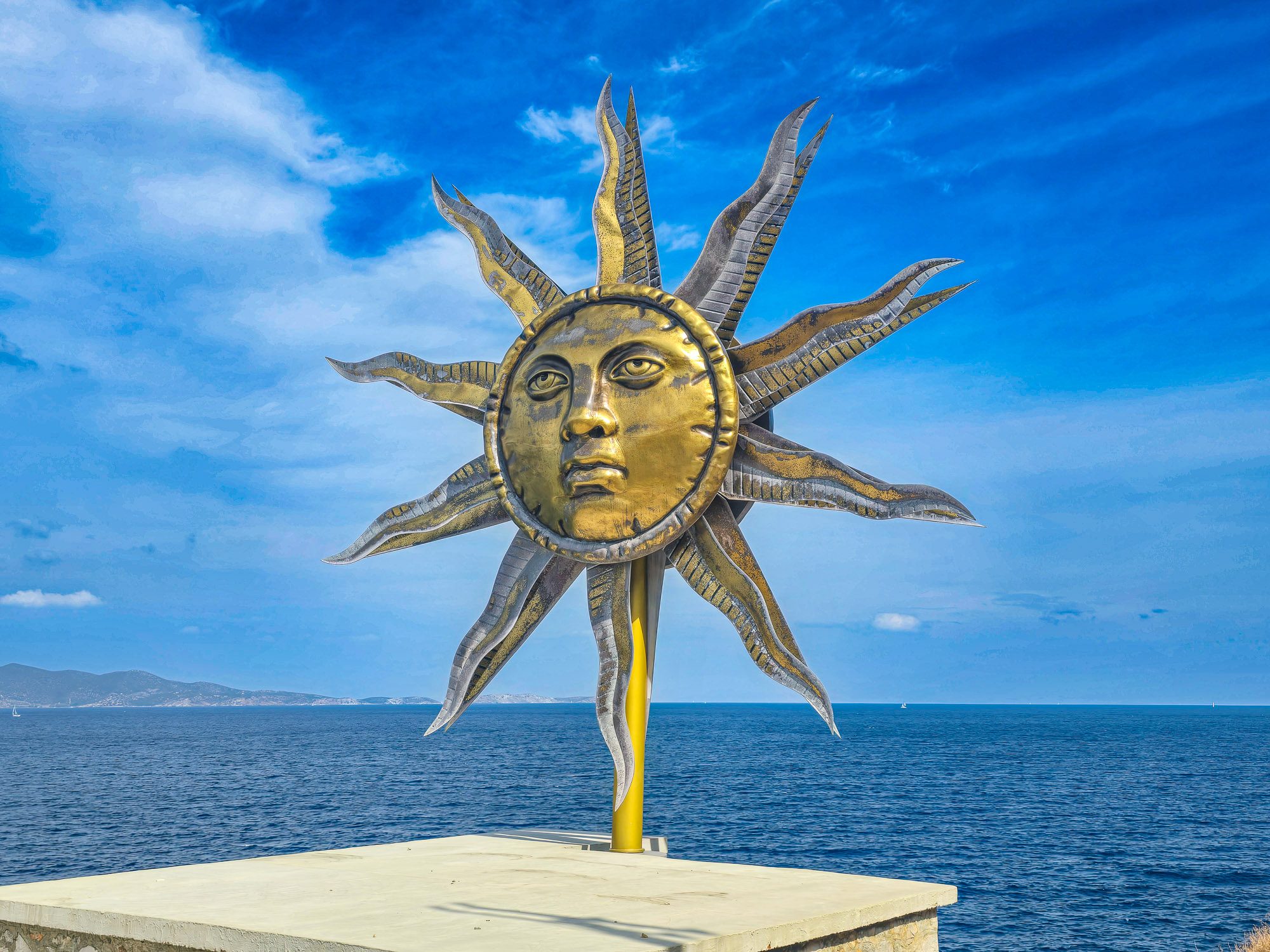
Hydra was an easy place to linger. I was able to cover a fair bit of ground along the cobbled back streets and up above the harbour on either side of the port. Good tavernas, unhurried evenings, enough going on without ever feeling busy for the sake of it. The problem with Hydra is where to even begin trying to narrow down a small collection of images for the post — it was difficult.
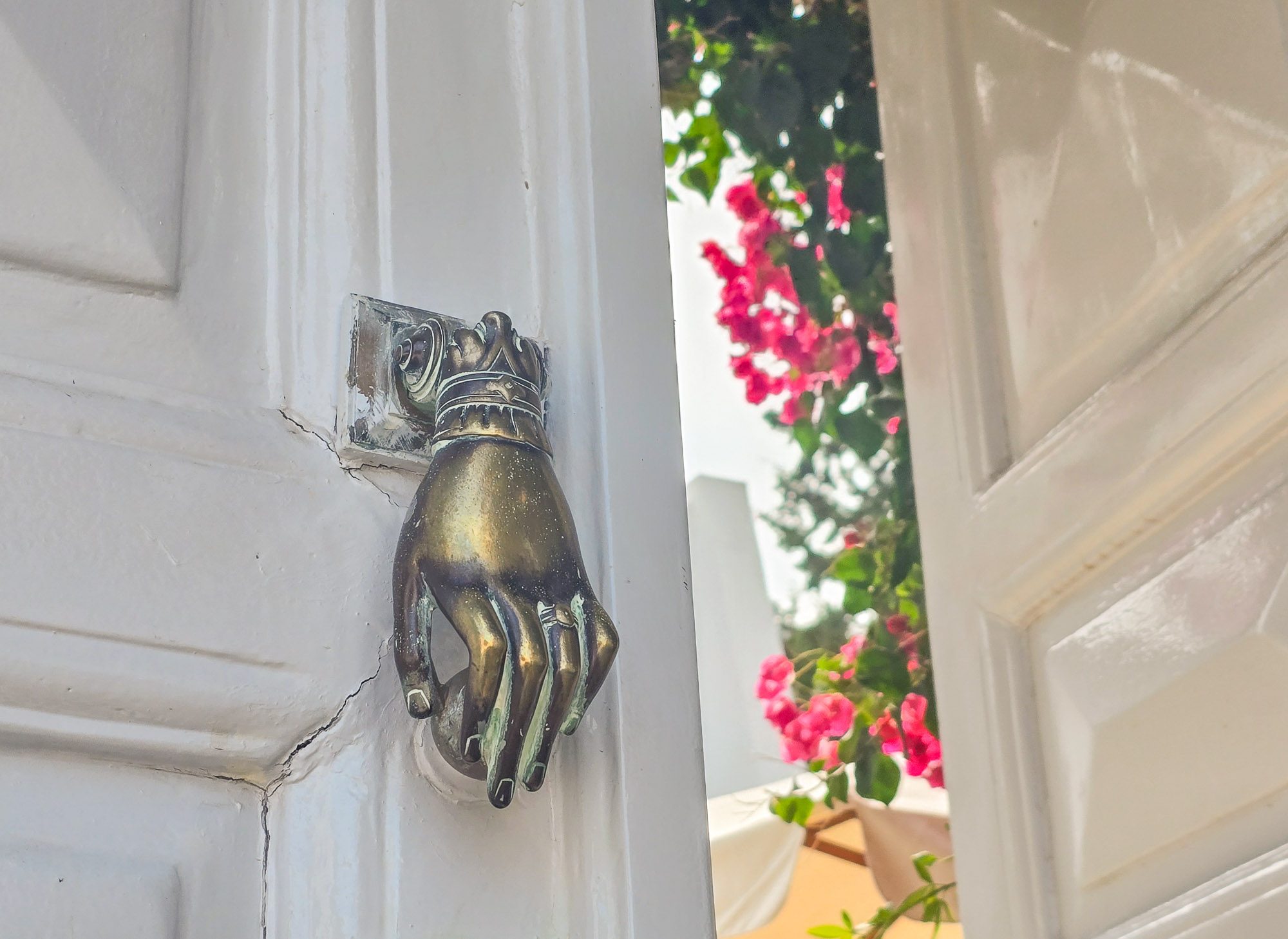

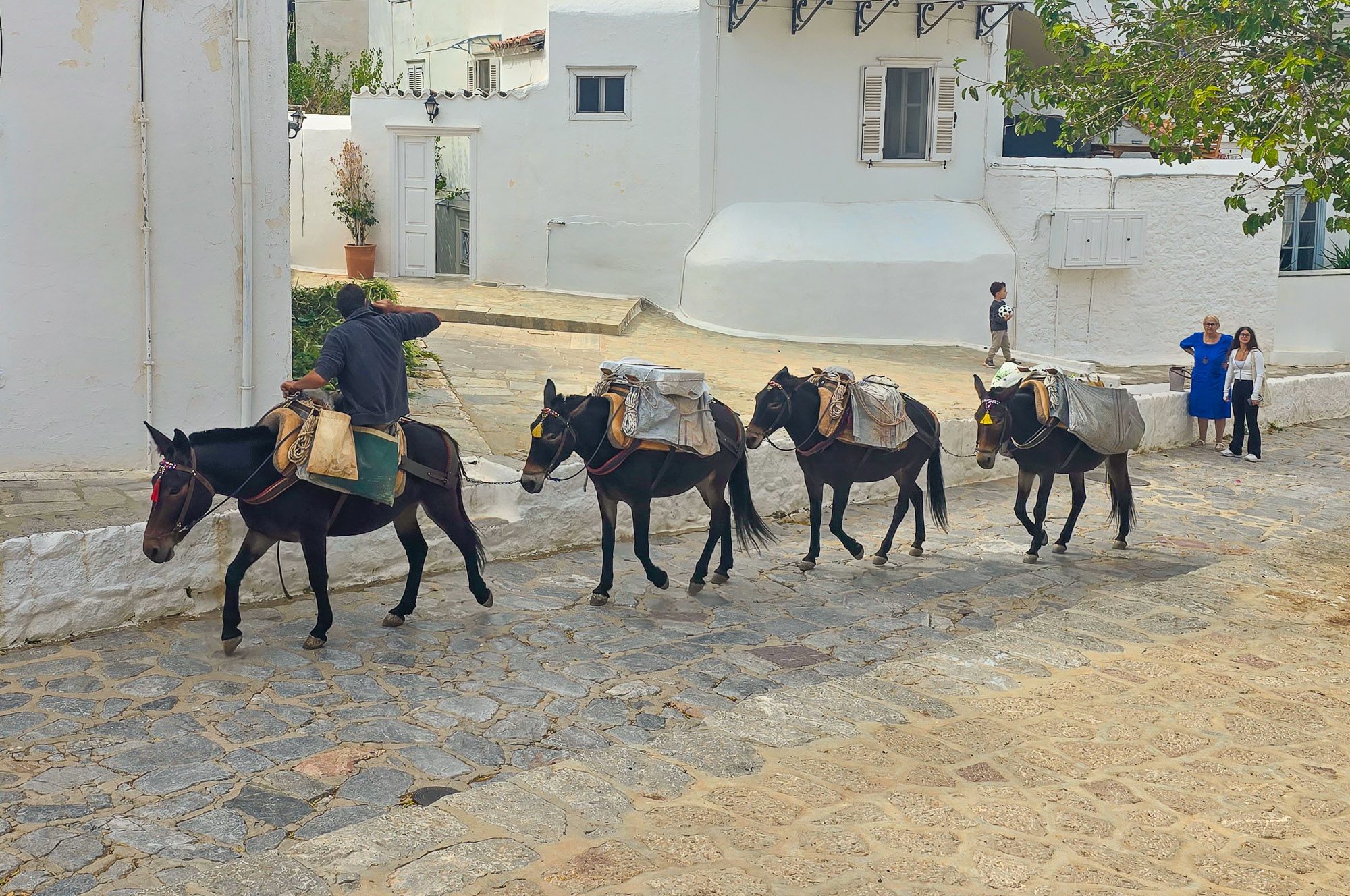
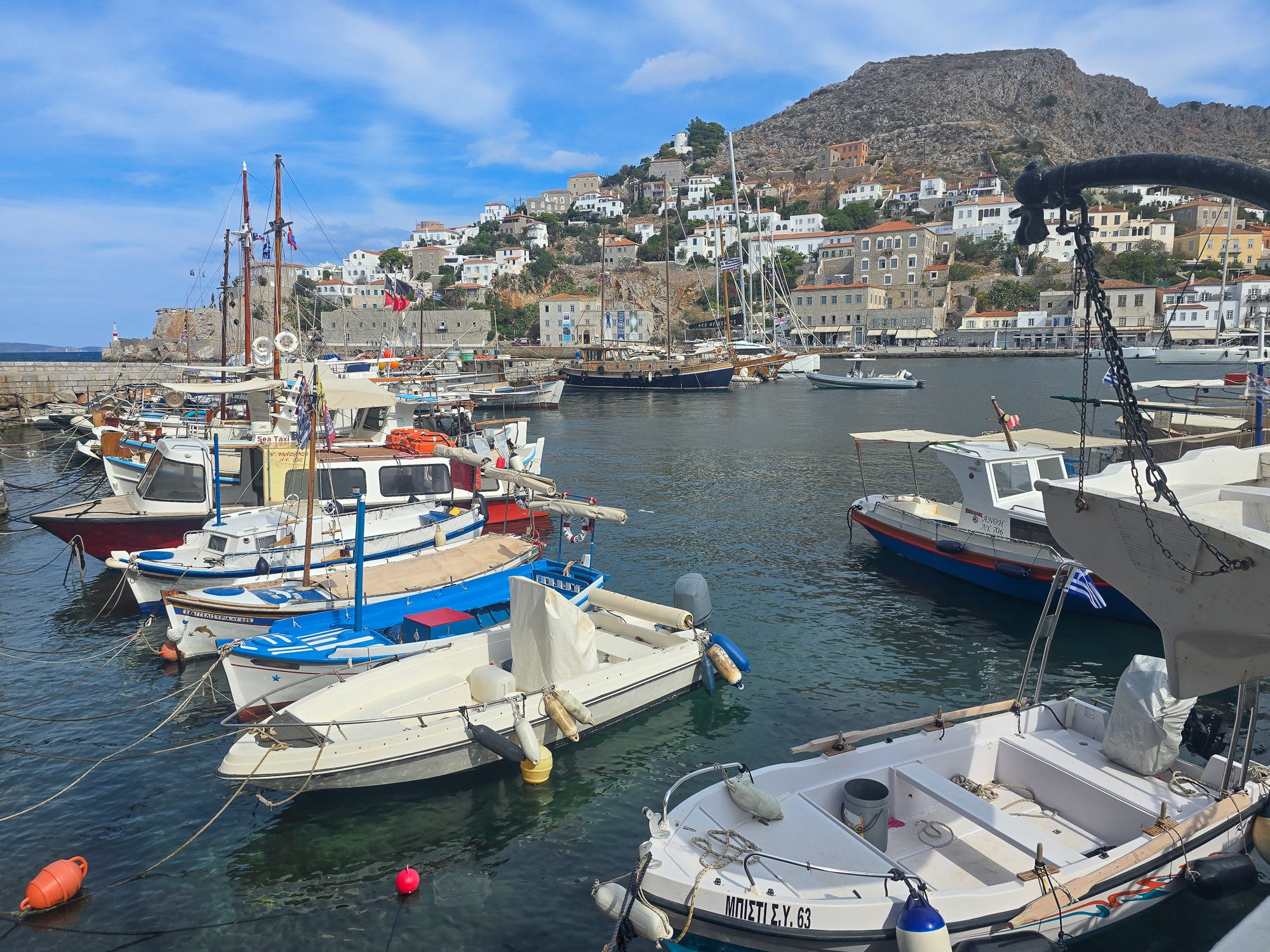
I must return to Hydra and stay for a few days. I’d love to see what lies beyond the harbour settlement. It isn’t an island I feel I’ve got a handle on yet. I’m sure there is far more to the island than its polished exterior, and I want to return to dig a bit deeper.
The return trip was just as choppy but I boarded in plenty of time to get a seat inside. Lesson learned.
Back in Ermioni after showering the salt spray from my hair, I had just enough time to handwash my saline-encrusted clothes before heading out for dinner. There is no shortage of good tavernas here, and as I reflected over an ouzo and souvlaki, I acknowledged that Ermioni had been a good call – though 2 nights was not enough. This corner of the eastern Peloponnese is quite special, and I’m glad I took this route after all.
Next stop, a well-trodden path for me as I head to Nafplio.
Discover more from A Greek Oddity
Subscribe to get the latest posts sent to your email.
Fifteen years of writing about Greece. Thirty plus years of travelling it. Now condensed into a travel planning toolkit.
Take a look


