
A Reflection on Spetses: Beyond its Greek Riviera Reputation
Spetses challenged my expectations. What I assumed might be a polished and upmarket Greek island turned out to be far more balanced, with character, culture and a sense of authenticity that is easy to miss at first glance. Visiting in October, I extended my stay, explored the architecture of Spetses Town, navigated a few mixed dining experiences, and discovered an island shaped as much by history as by reinvention. Here is my final reflection on Spetses, and why it left a lasting impression.
Spetses surprised me, and not in the way I expected. I had gone there with a slightly skewed preconception of what I thought the island would be like – aimed at upmarket travellers and yes, a little pretentious. Whenever I have clients looking for a holiday somewhere ‘high end’, Spetses is one of the destinations I suggest.
As it turned out, that impression was not entirely misplaced, but the story was incomplete.
What I had taken at face value as a certain exclusivity began to make far more sense once I understood the history behind it. It all goes back to Sotirios Anargyros, a benefactor with both the means and the foresight to reshape the future of his home island. At a time when Spetses was facing the decline of its maritime trade, he recognised the need for reinvention and set about repositioning it as a destination for a more affluent crowd.
In that sense, the more refined identity of Spetses was not accidental, but the result of a deliberate and rather visionary shift, one that laid the foundations for what some now describe as a Greek Riviera. While that narrative holds true, it is only part of the picture. On the ground, I found a far more balanced reality.
Yes, Spetses does cater to a well-heeled clientele, and there is no denying the presence of high-end hotels, grand houses and a certain level of polish. However, it does not exist at the exclusion of travellers like myself. It is entirely possible to experience the island without tapping into that side of it at all. This is not something that can be said for every destination with a similar reputation.
That balance is what stood out. My stay at Villa Christina was a good example of it, offering warmth, hospitality and a price point that felt entirely reasonable without any sense of compromise.
Spetses is not, as we might say up north, all fur coat and no knickers. Far from it. Beneath its picturesque surface, the island is layered with a history that is closely tied to the story of Greece’s independence and its later development. The legacies of Sotirios Anargyros and Laskarina Bouboulina is still very much present in what you see today.
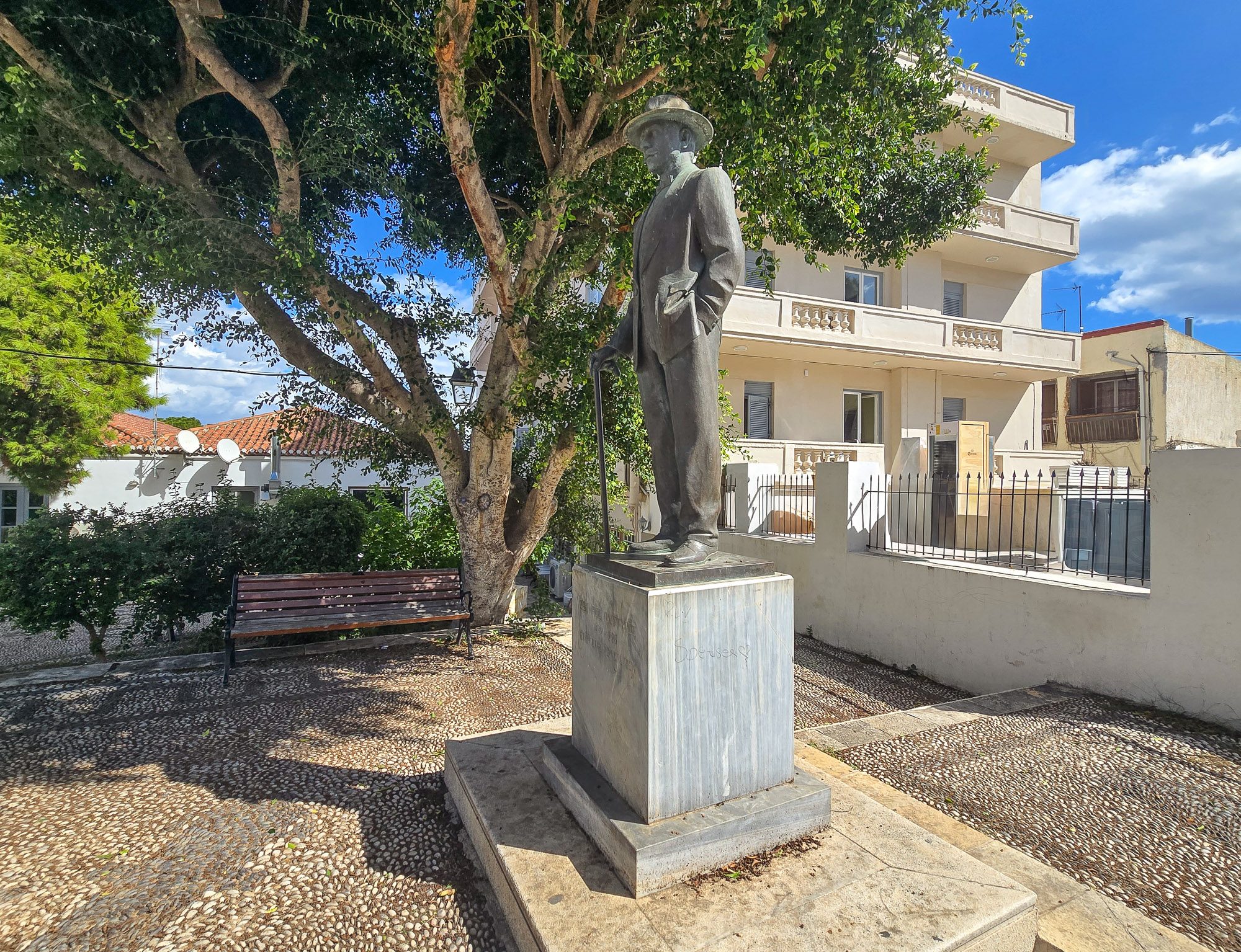
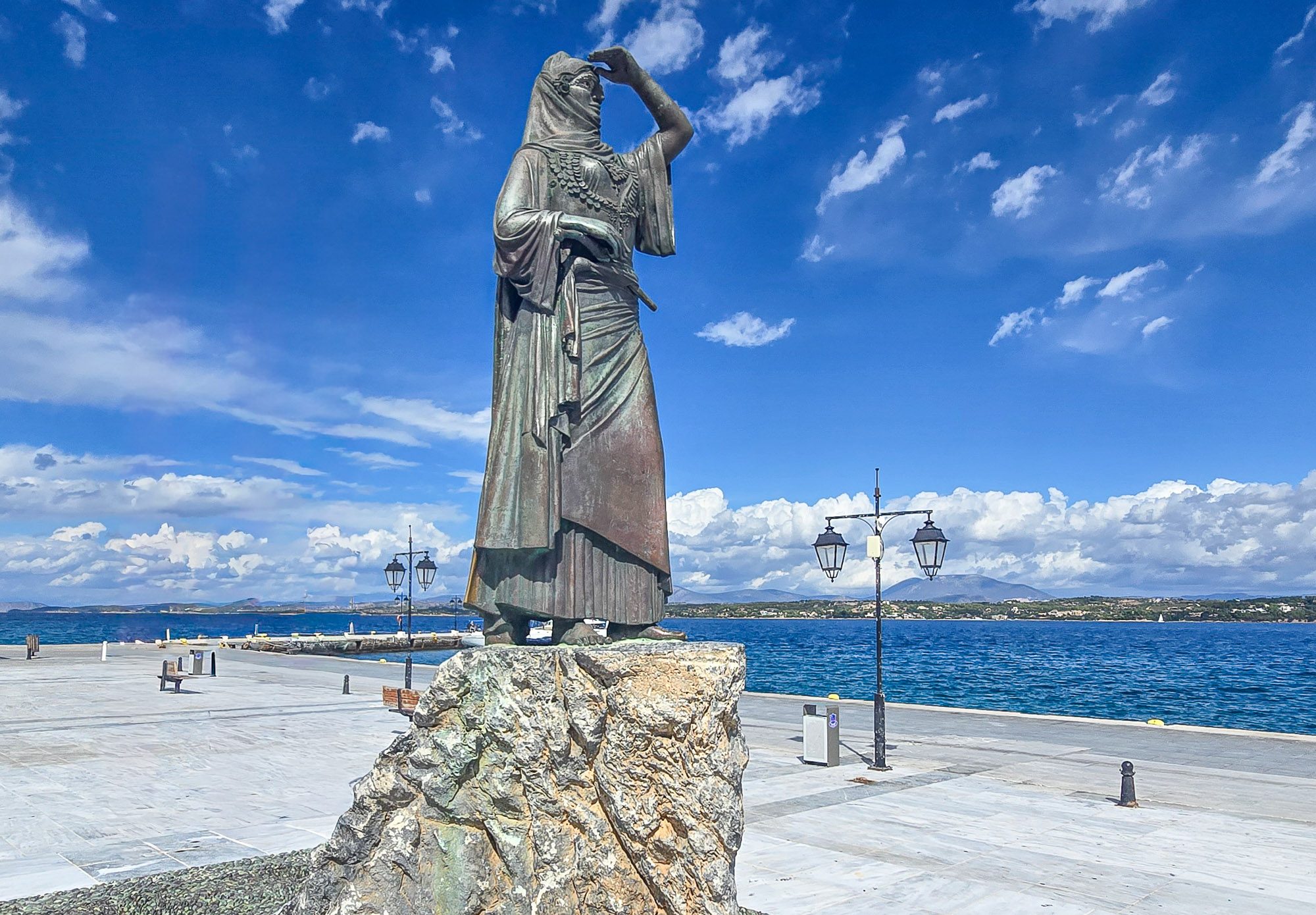
Visiting Spetses in October worked very much in its favour, as the island retained enough energy without the intensity of peak season. The timing also coincided with the Weekend in Tweed event, which added an extra layer of interest and gave the island a slightly different rhythm for a few days.
My time was largely spent around Spetses Town, or Dapia, and as far as I could reasonably walk north and south, along with a fair amount of time exploring the inland streets and up to the monastery. On the advice of my host, Aggeliki, I did not venture to the far side of the island, where very little remained open late in the season. In truth, I never felt as though I had missed out, as there was more than enough within reach to fill my days, albeit at a slower, more considered pace.
Spetses is a very walkable island. The coastal path going north and south from the port is flat, so ideal for anyone with mobility issues. From the port the island begins to climb, but still very accessible. I spent a lot of time wandering through the streets and alleyways, admiring the architecture, and absorbing myself in the island’s history and culture. I was equally content to spend time on the shores of Kaiki Beach, gazing across the narrow strait that separates Spetses from the Peloponnese whilst trying to decide where to head next.

During my stay, I became almost obsessed with the architecture of Spetses, which gives the island its distinct identity. My first impression was that it was simply pretty, but beyond the slightly ’boutiquified’ façade, there is a story told through the varying styles of its houses.
The island brings together grand historic mansions, including the Anargyros mansion, with houses influenced by Venetian design and others that are considered typically Spetsiot. What I came to realise is that this “Spetsiot” architecture is not a single defined look, but more a style and design shaped by maritime wealth, privacy and a certain understated sense of status. I’m not an architecture expert, but it is something that has fascinated me for years. In fact, I’m drawn to it like a magnet. I believe a home says so much about the families that have lived there, both past and present.
Many properties were surrounded by high, whitewashed stone walls that seemed to catch and reflect the sunlight, almost blindingly so at times. These walls are very much part of that identity, designed to enclose rather than reveal, with life centred within. Set into them was usually an impressive entrance, formed of two stone pillars capped with a pediment of varying shapes and sizes, each one slightly different from the last. The entry could be single or double doors, with pale grey paint seeming to be ‘de rigueur’, often framed by swathes of fuchsia, orange or lilac bougainvillaea.
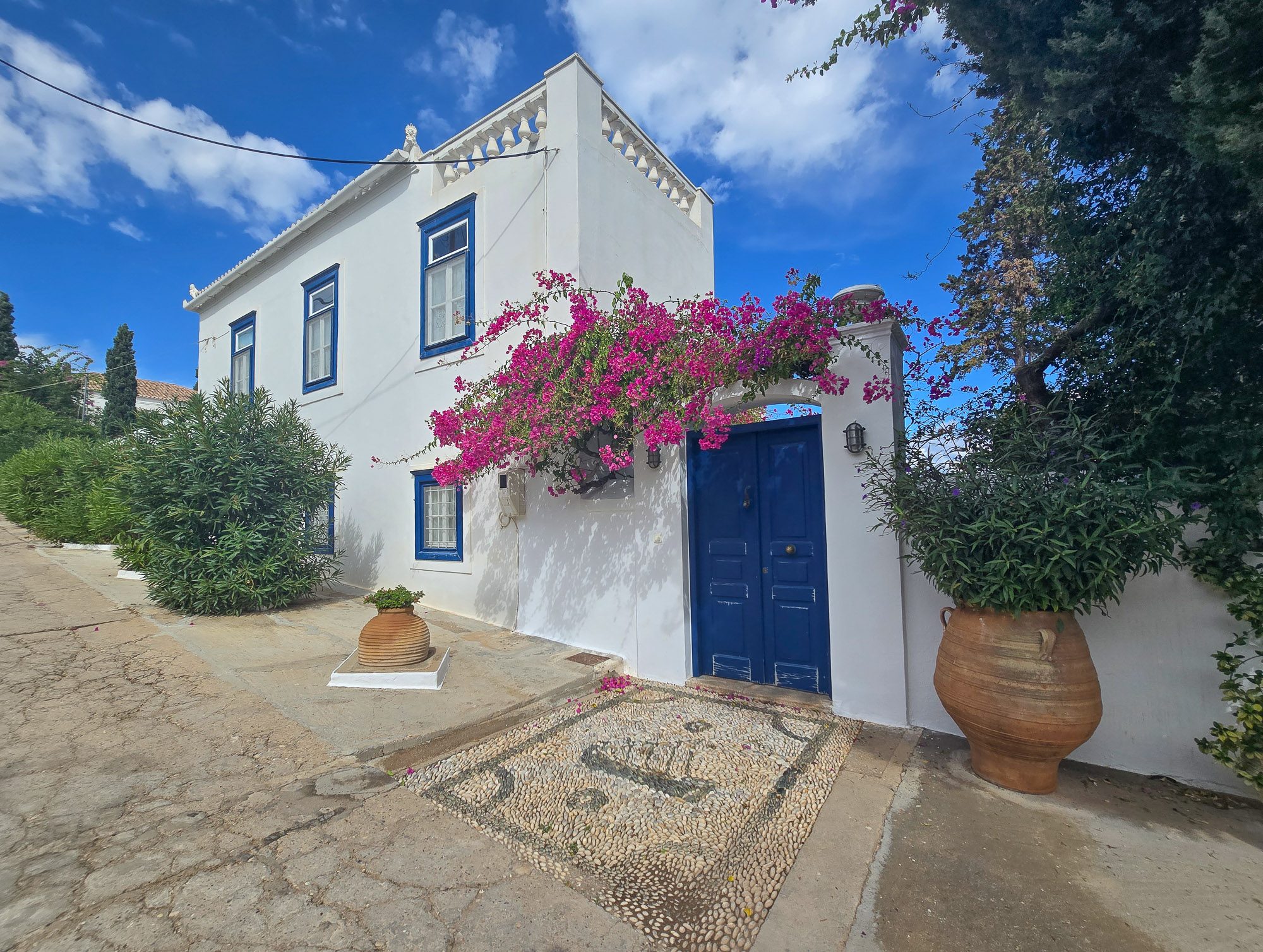
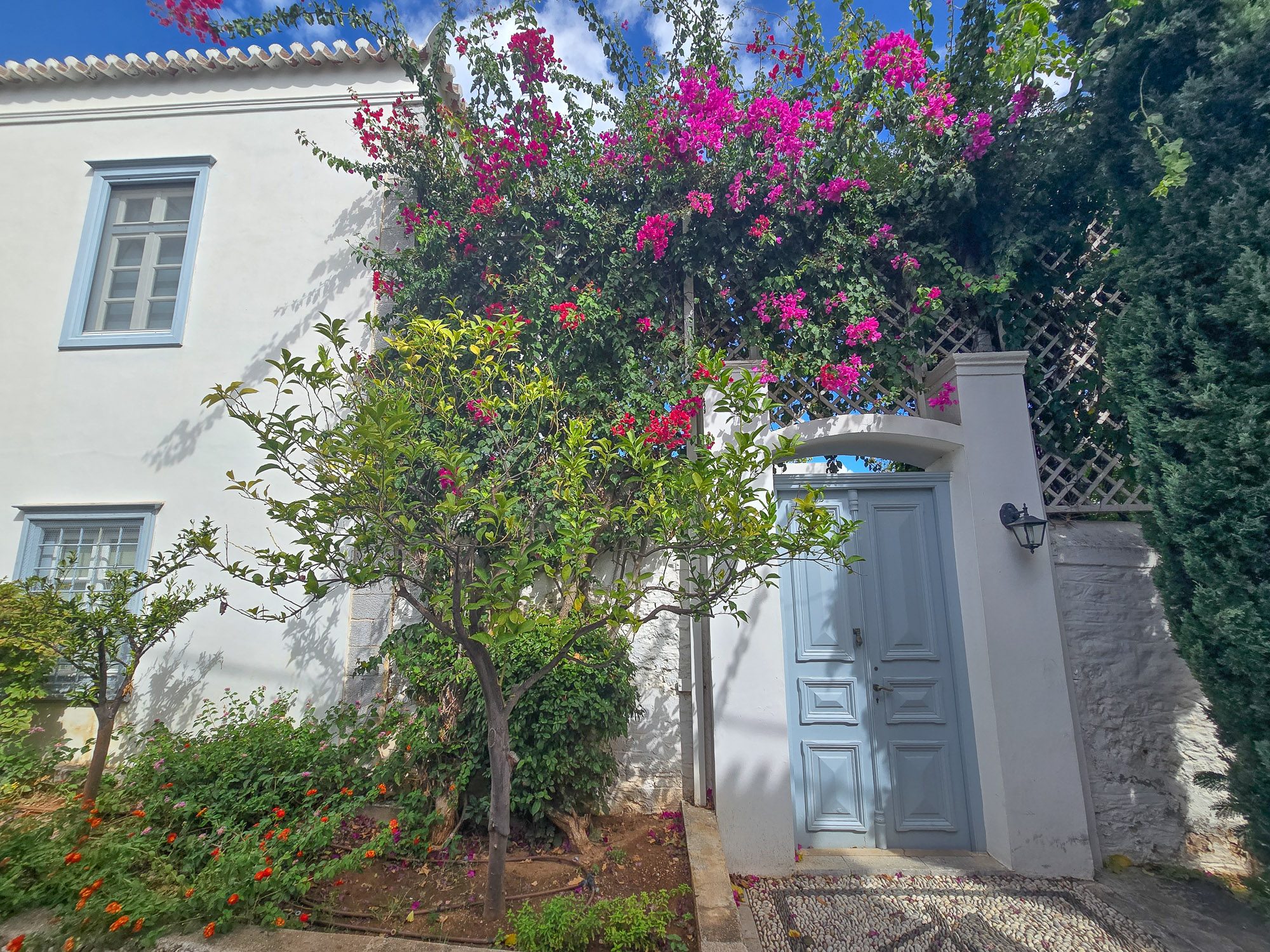
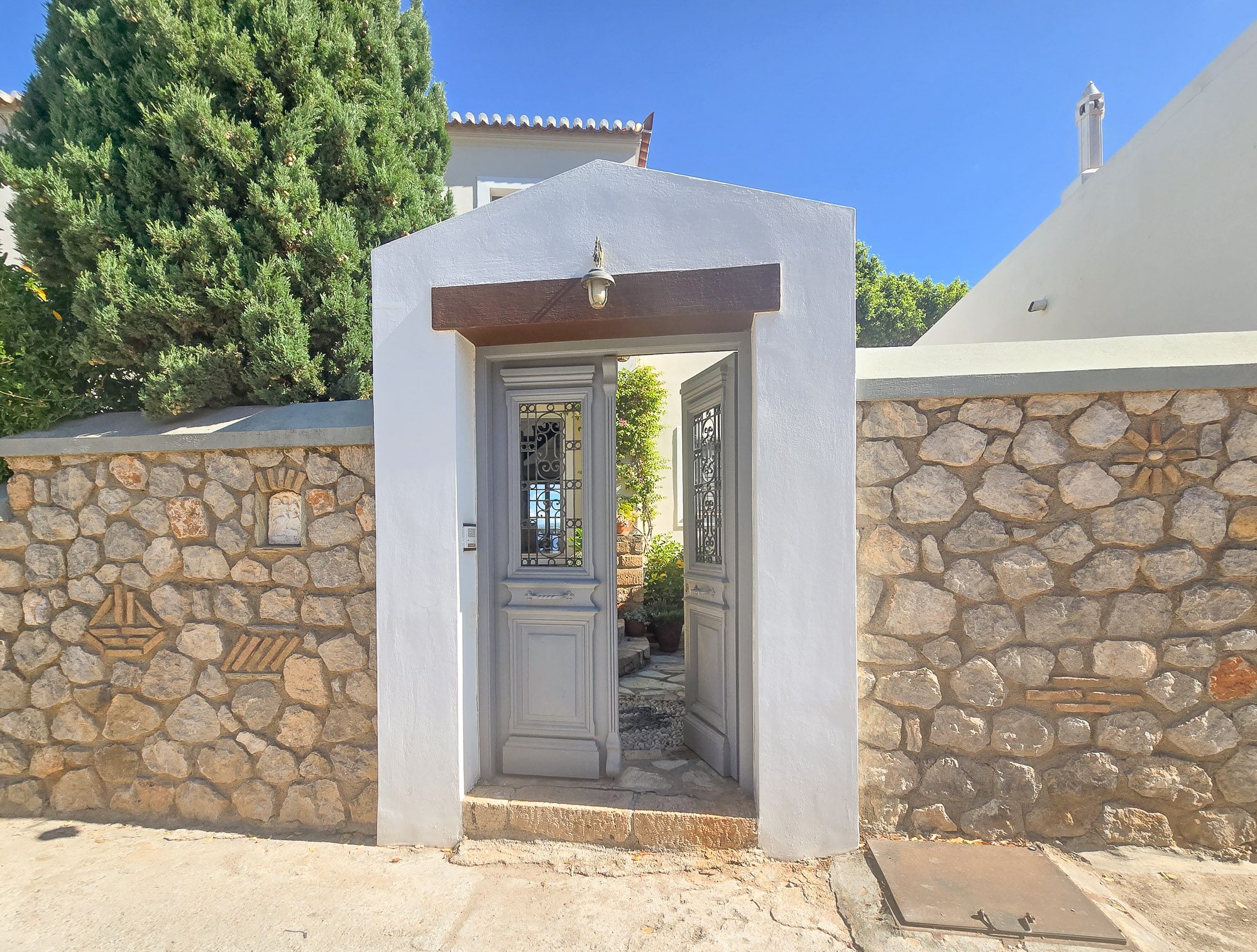
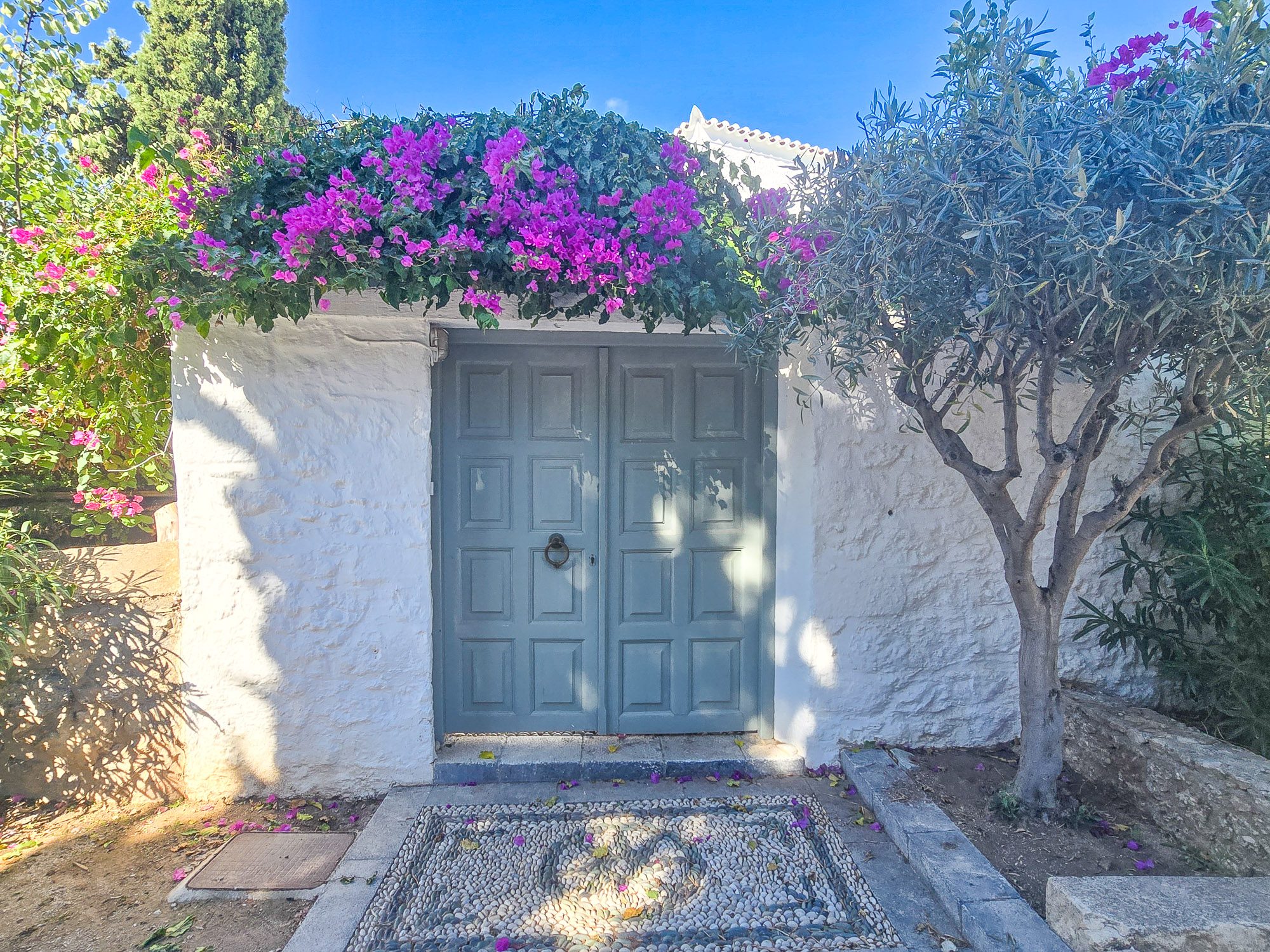
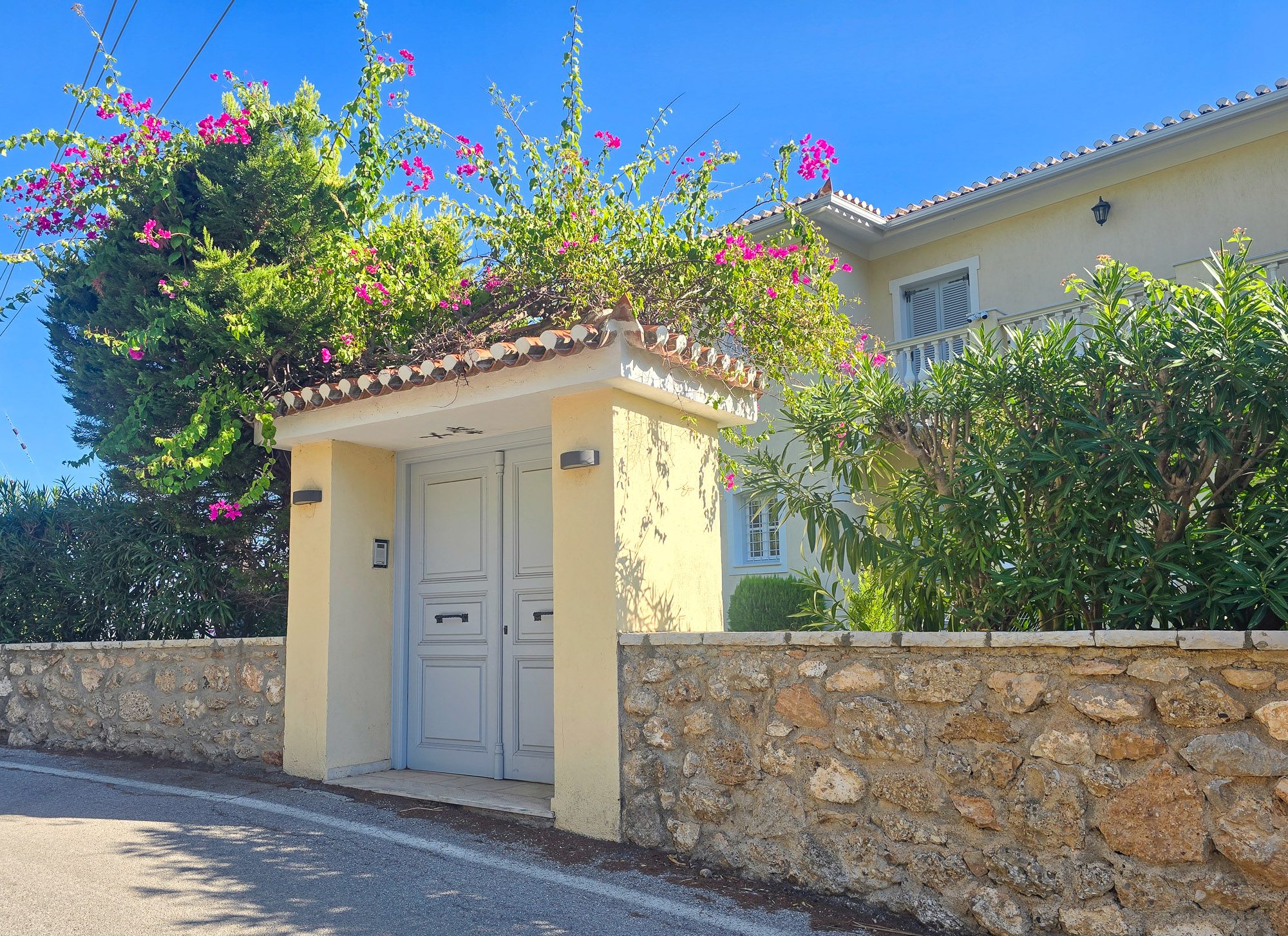
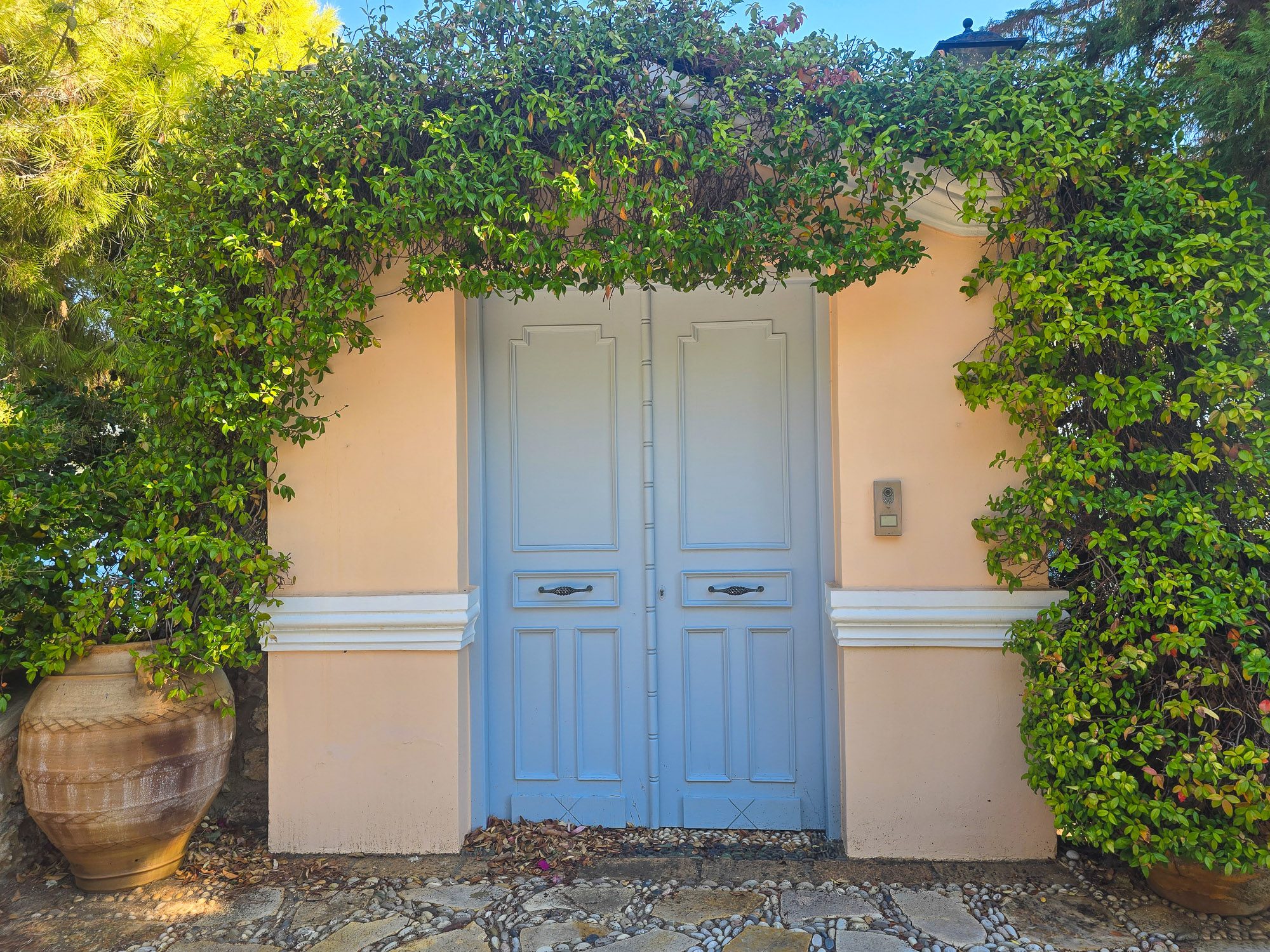
Villa Christina followed this same design, and it gave me a small insight into what lay beyond those walls. A courtyard, not quite a garden, but certainly a space intended for living, for gathering, and for nurturing small trees and flowers away from view. Seen from the outside, these houses reveal very little, but step inside, and they tell a different story altogether.

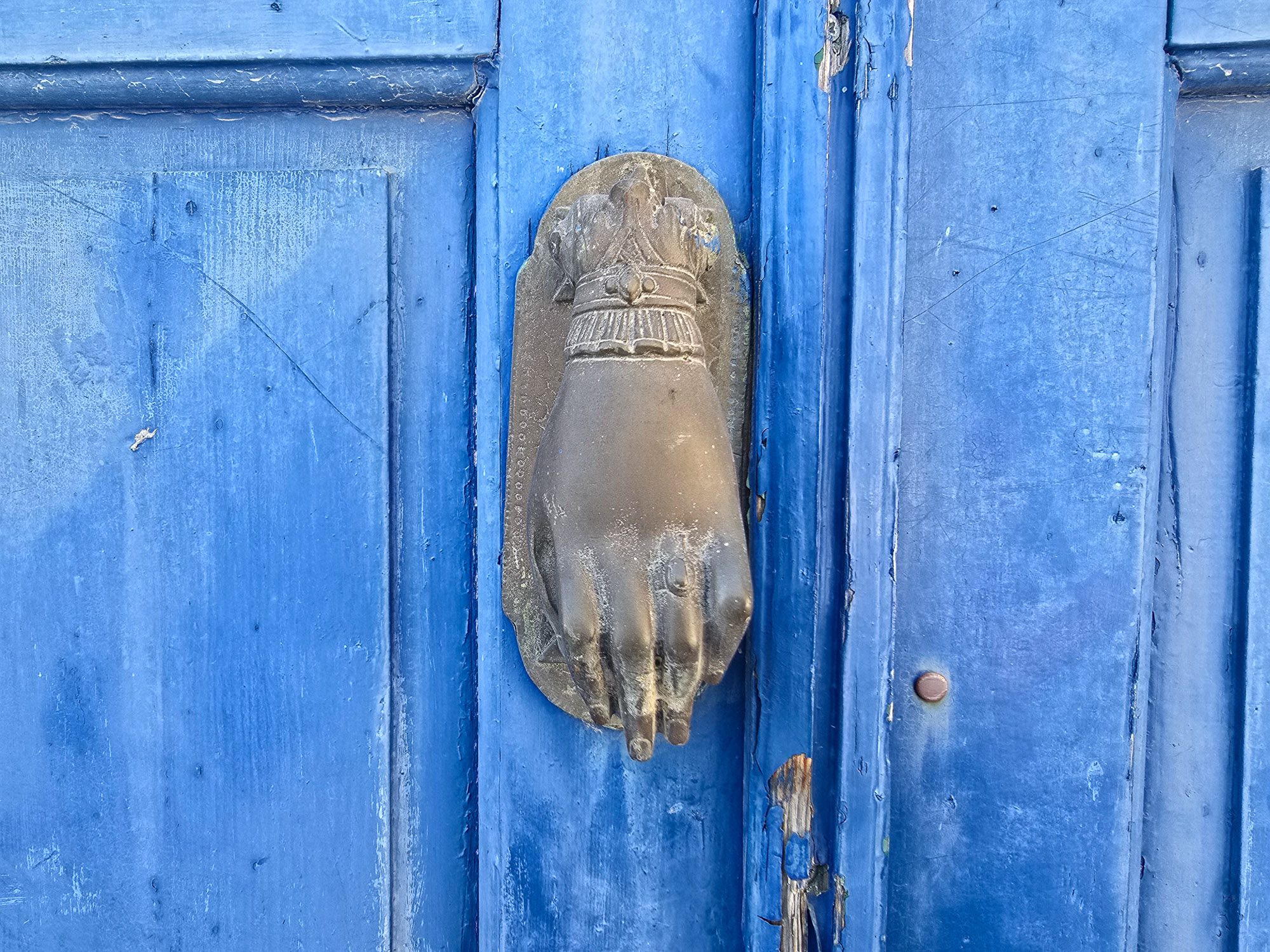
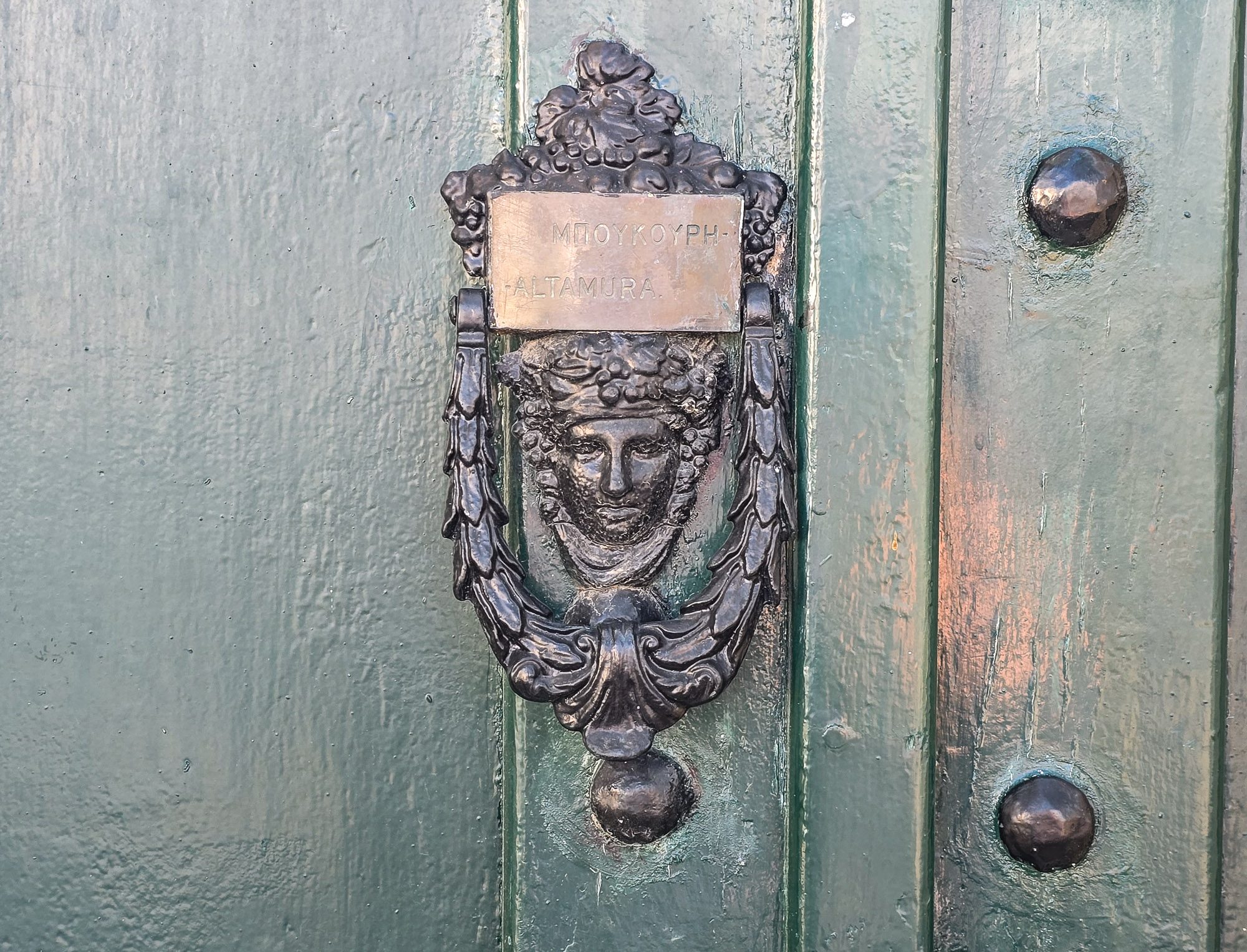
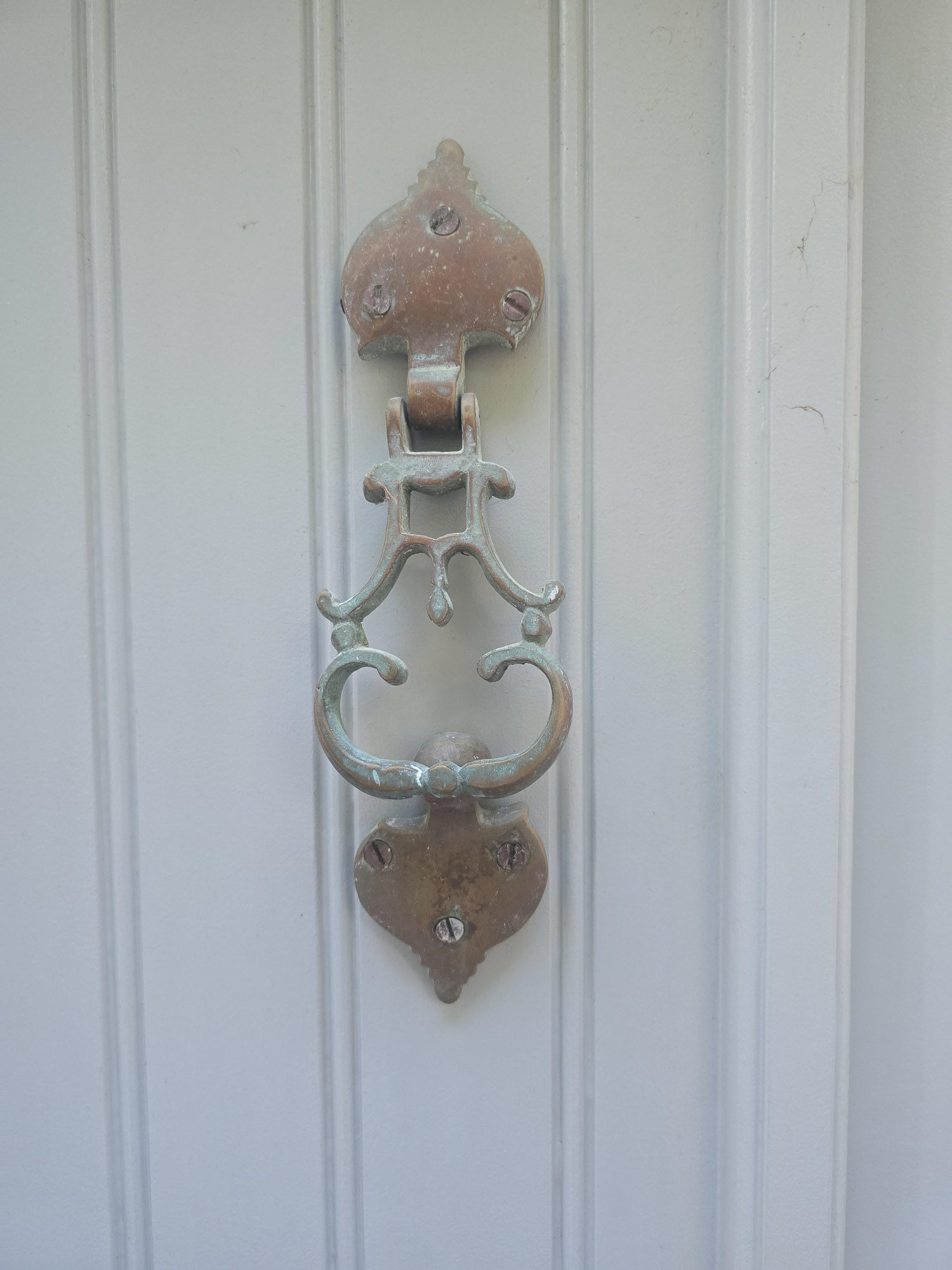
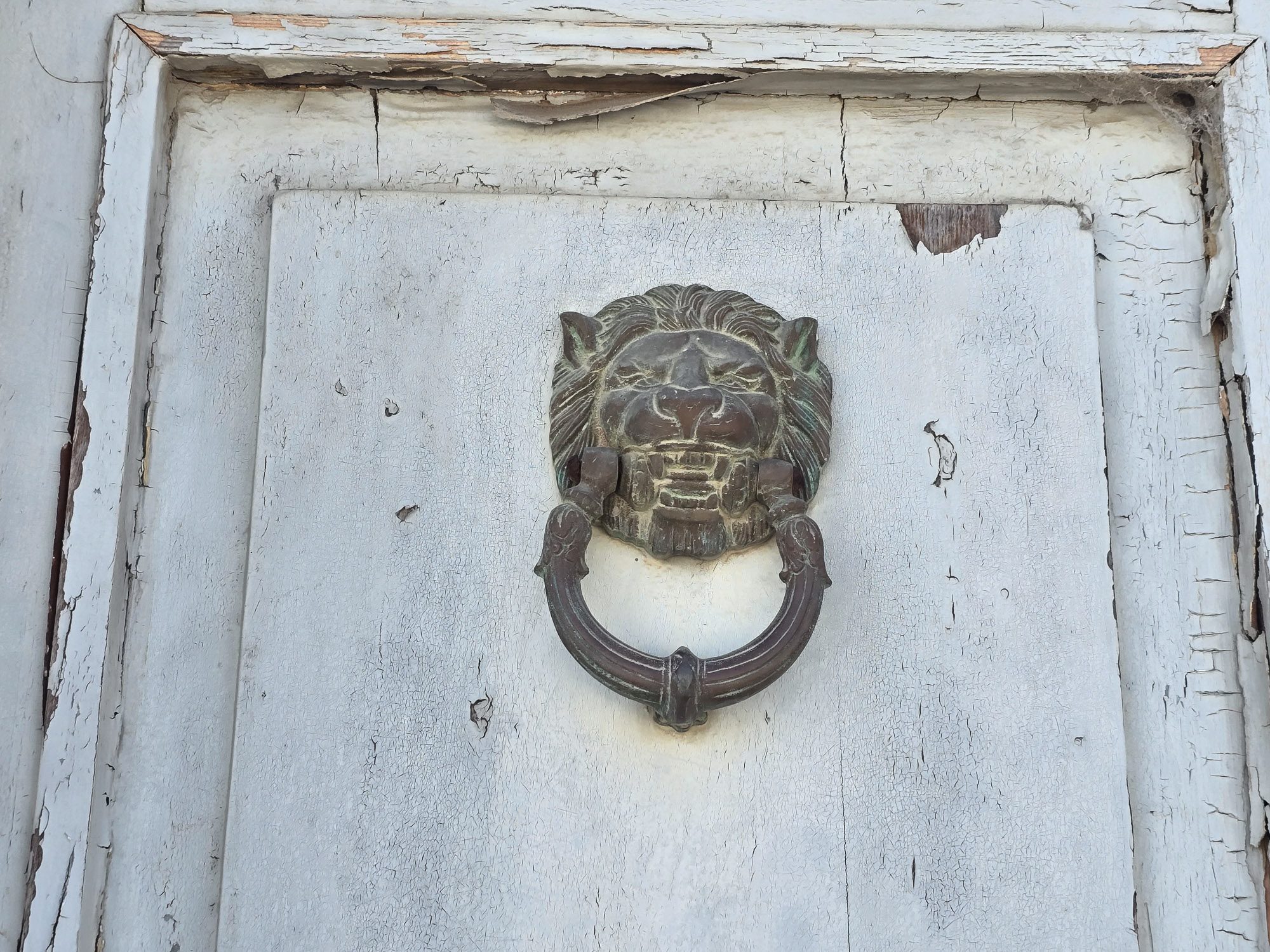
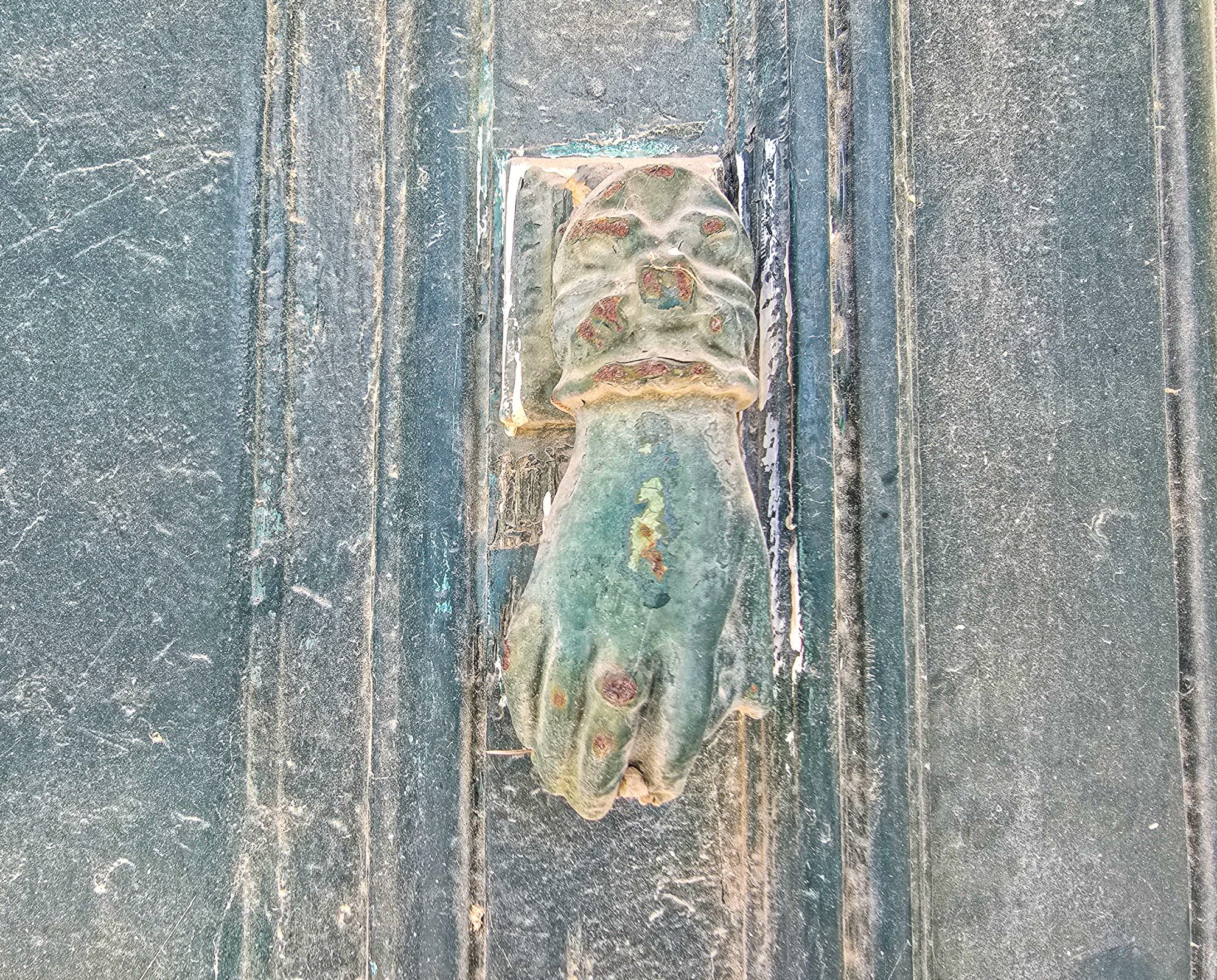
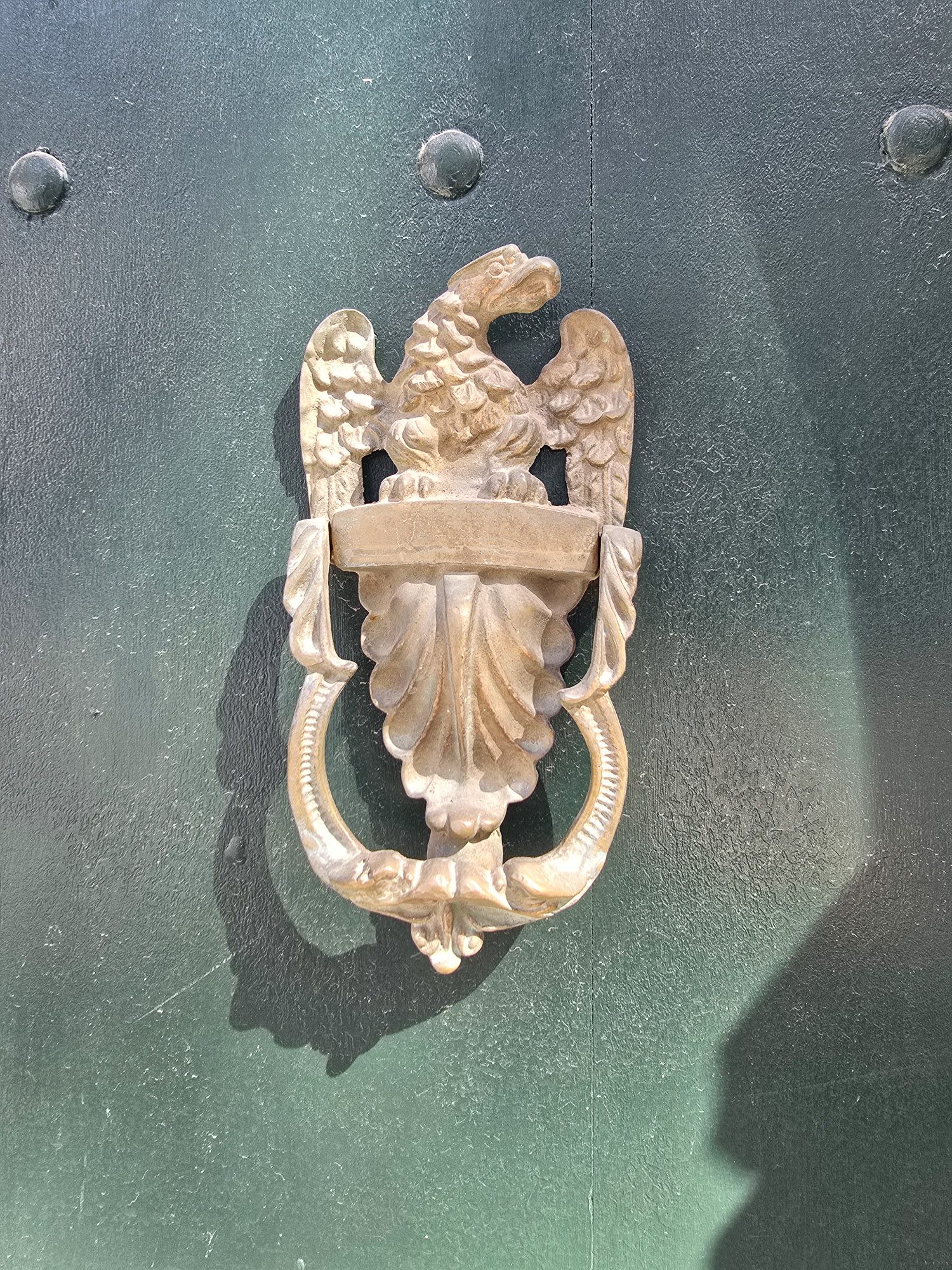
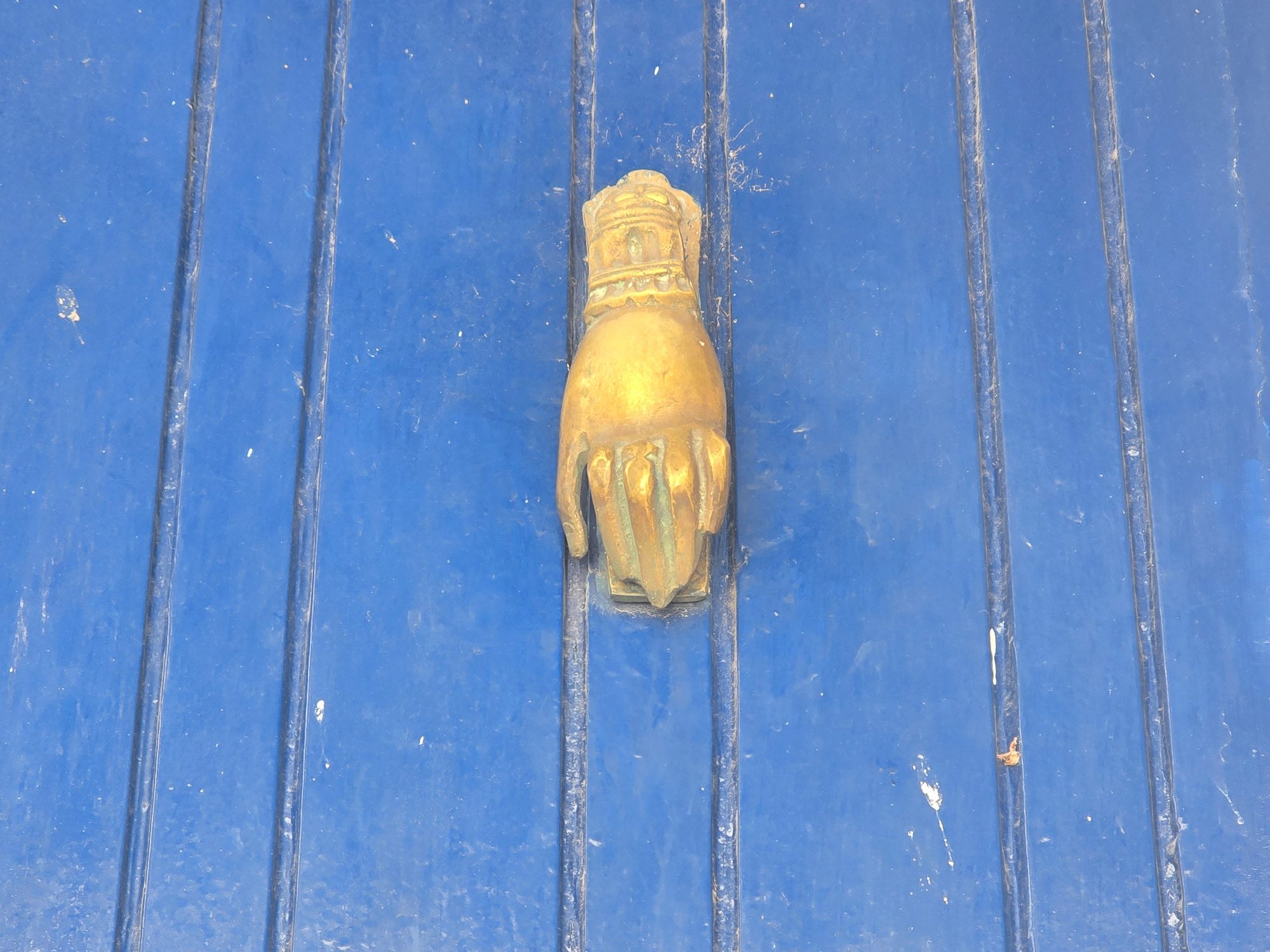
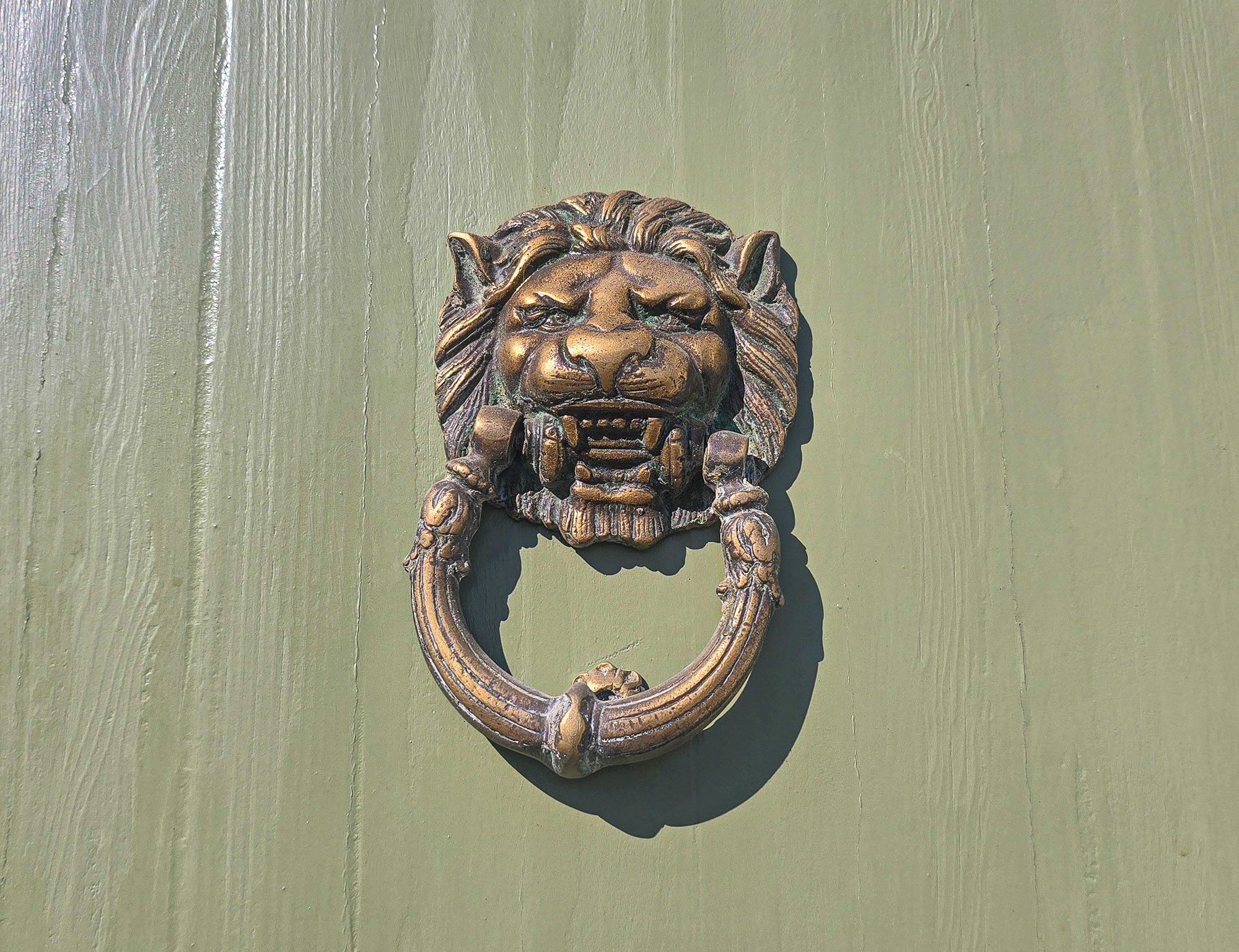
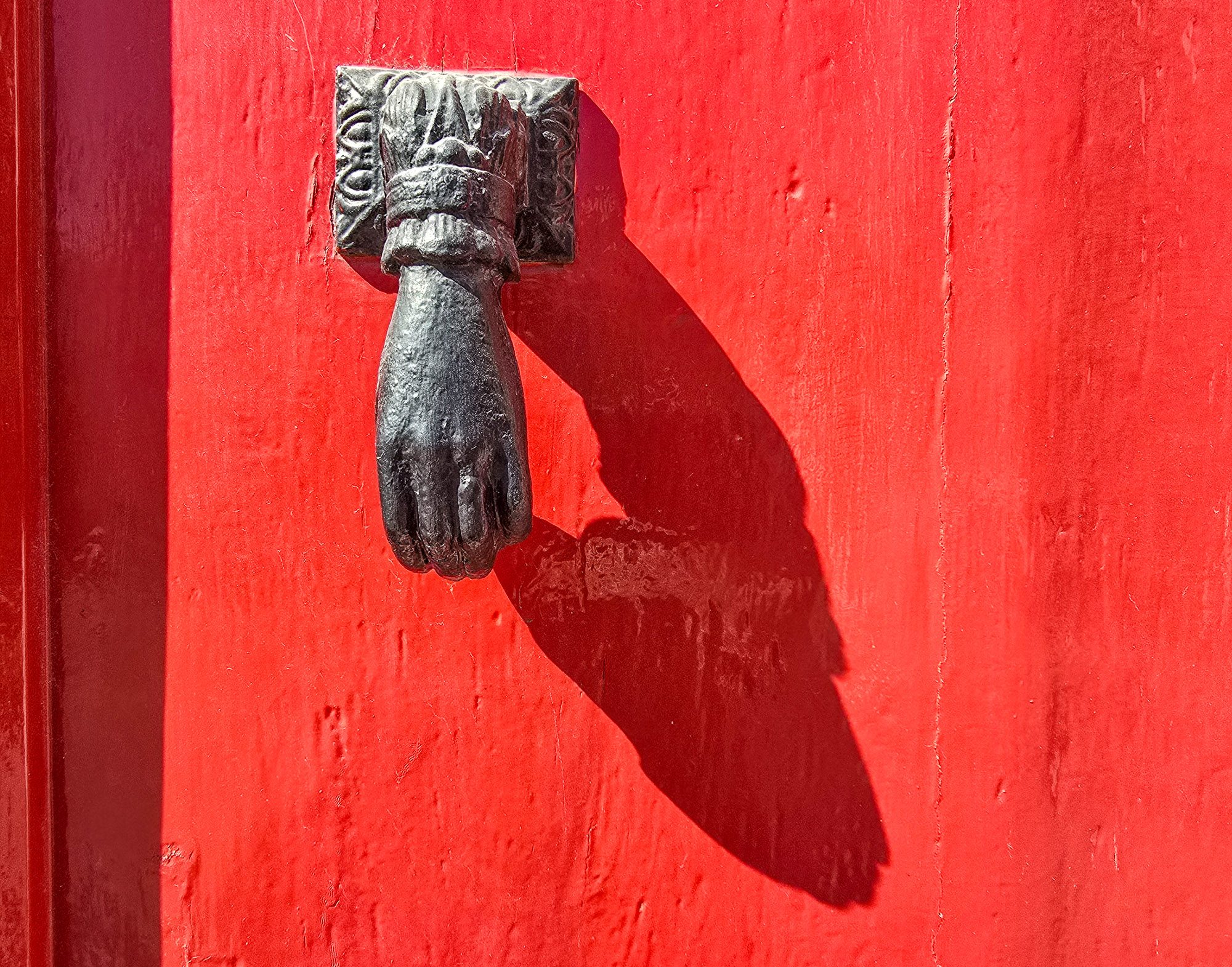
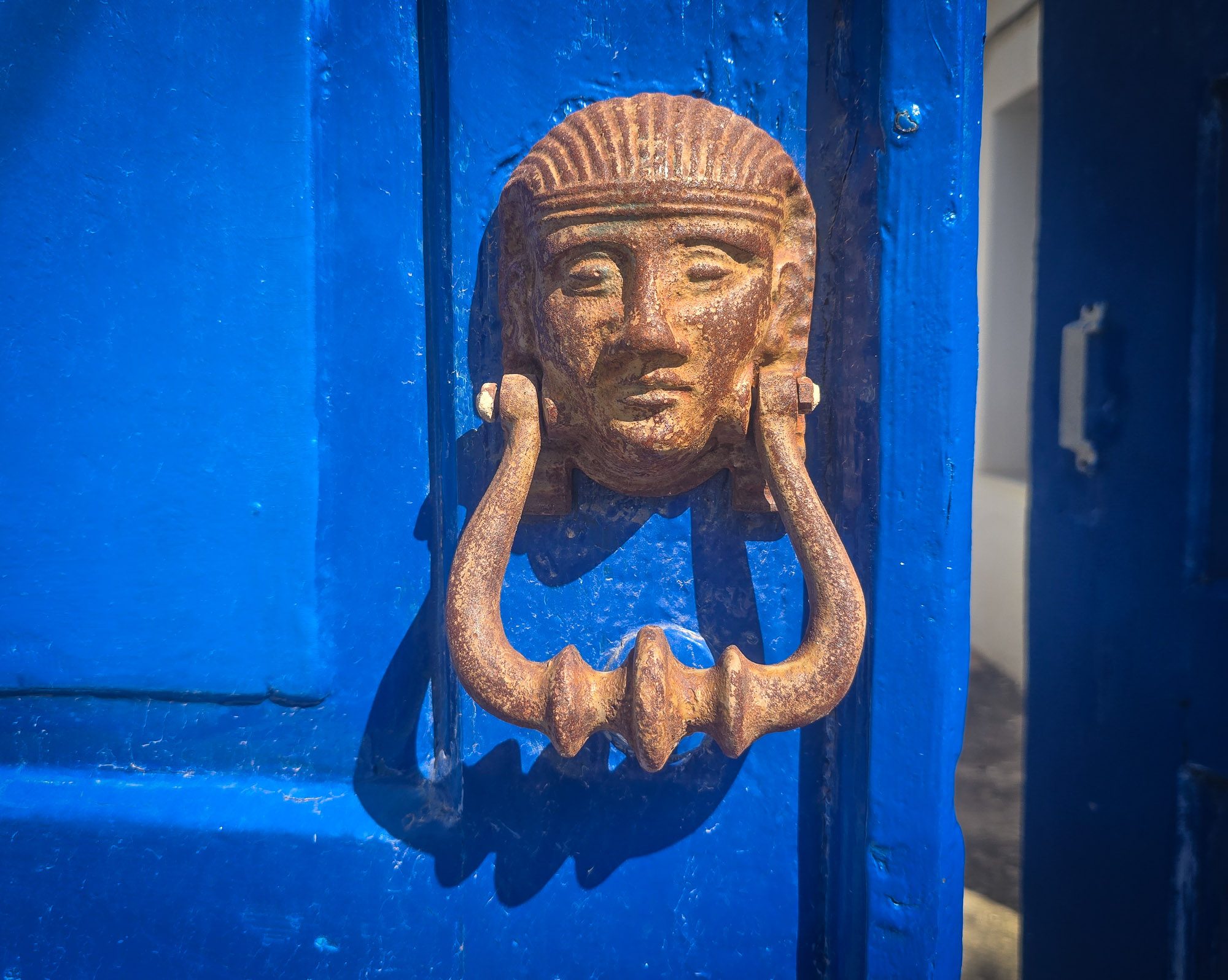
Many doors were adorned with a door knocker, something I’ve long held a fascination for, and I was able to add several more to my ever-growing collection, now nearing 500 photographs. And yes, there is even a Facebook group that I set up with friends a few years ago. Should you also find yourself drawn to the finer details of Greece’s architectural ironwork, you can find us here.
The Door Knockers of Greece Facebook Group
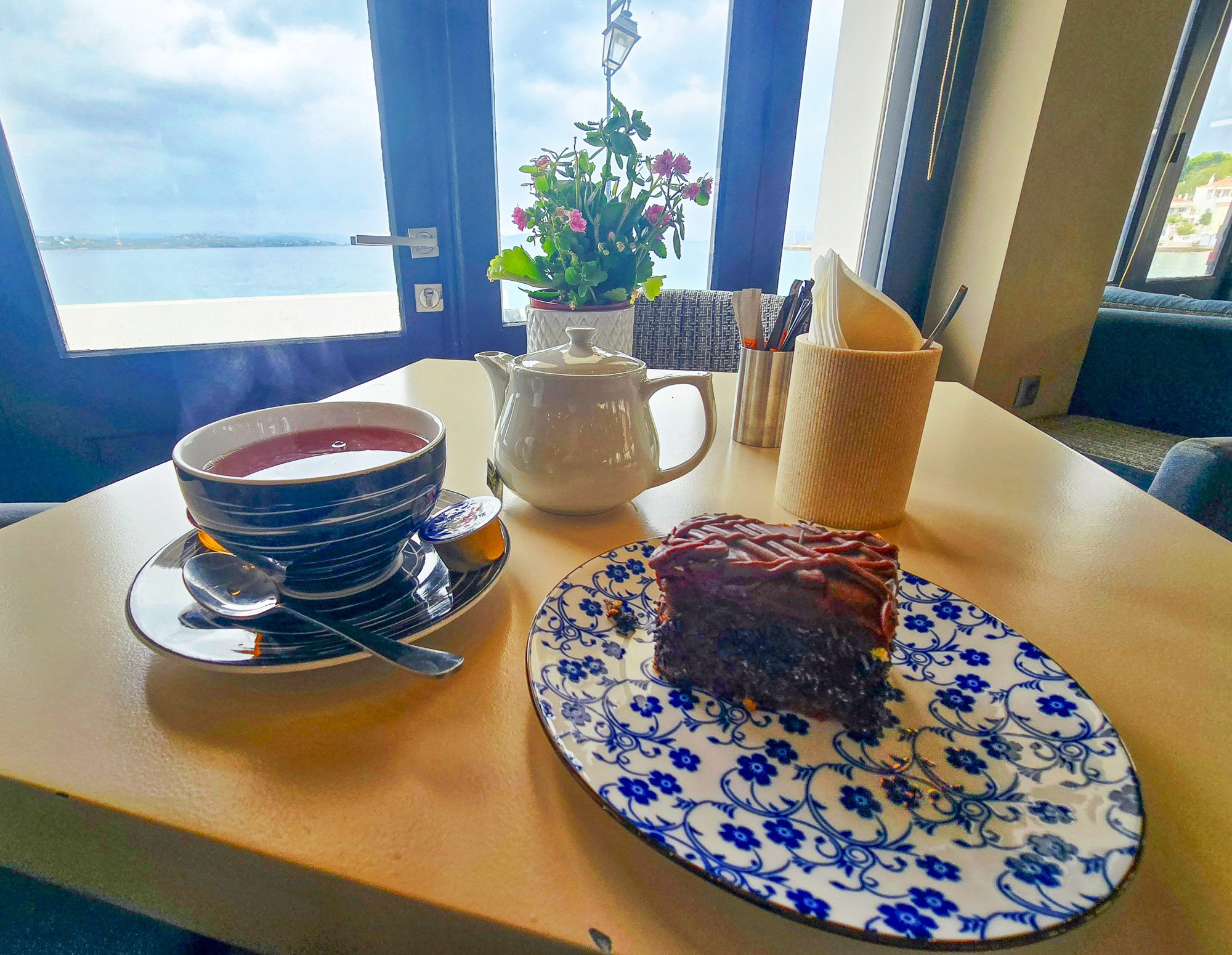
Spetses also provided a wide and varied dining experience. The Klimis Hotel along the sea front has its own traditional patisserie, established in 1931. It was always a nice place to stop for an indulgent dessert and a pot of tea, and the number of ice cream parlours in the town suggested I was not alone in my penchant for sweet things.
The tavernas, I felt at times, were a mixed experience. A couple of places along the waterfront, as well as one that came recommended, were perfectly acceptable in terms of food but lacked any real warmth in their service. Some of the staff looked weary and, after a busy and intensive season, I daresay they were simply looking forward to the arrival of winter. That, at least, is understandable.
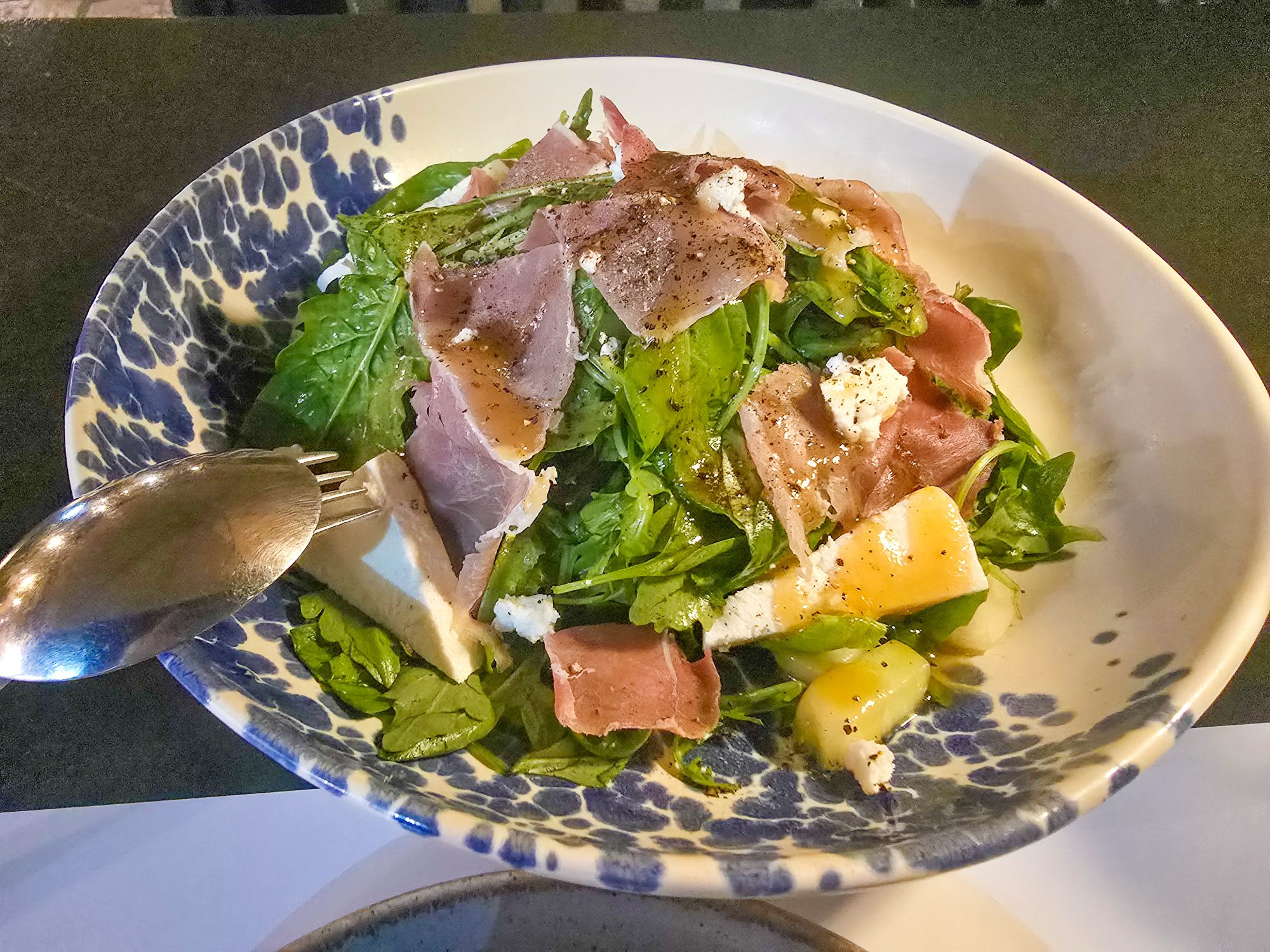
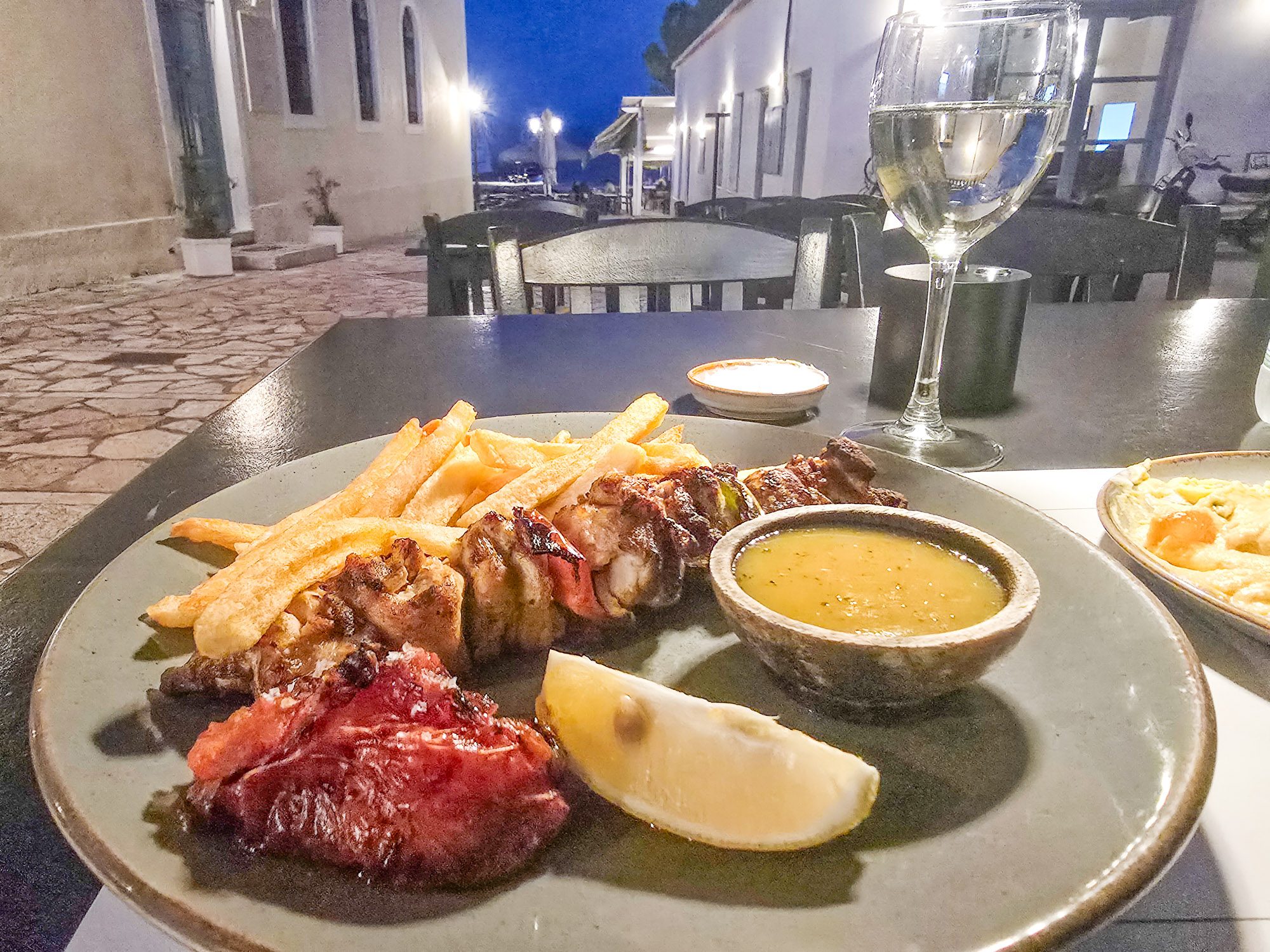
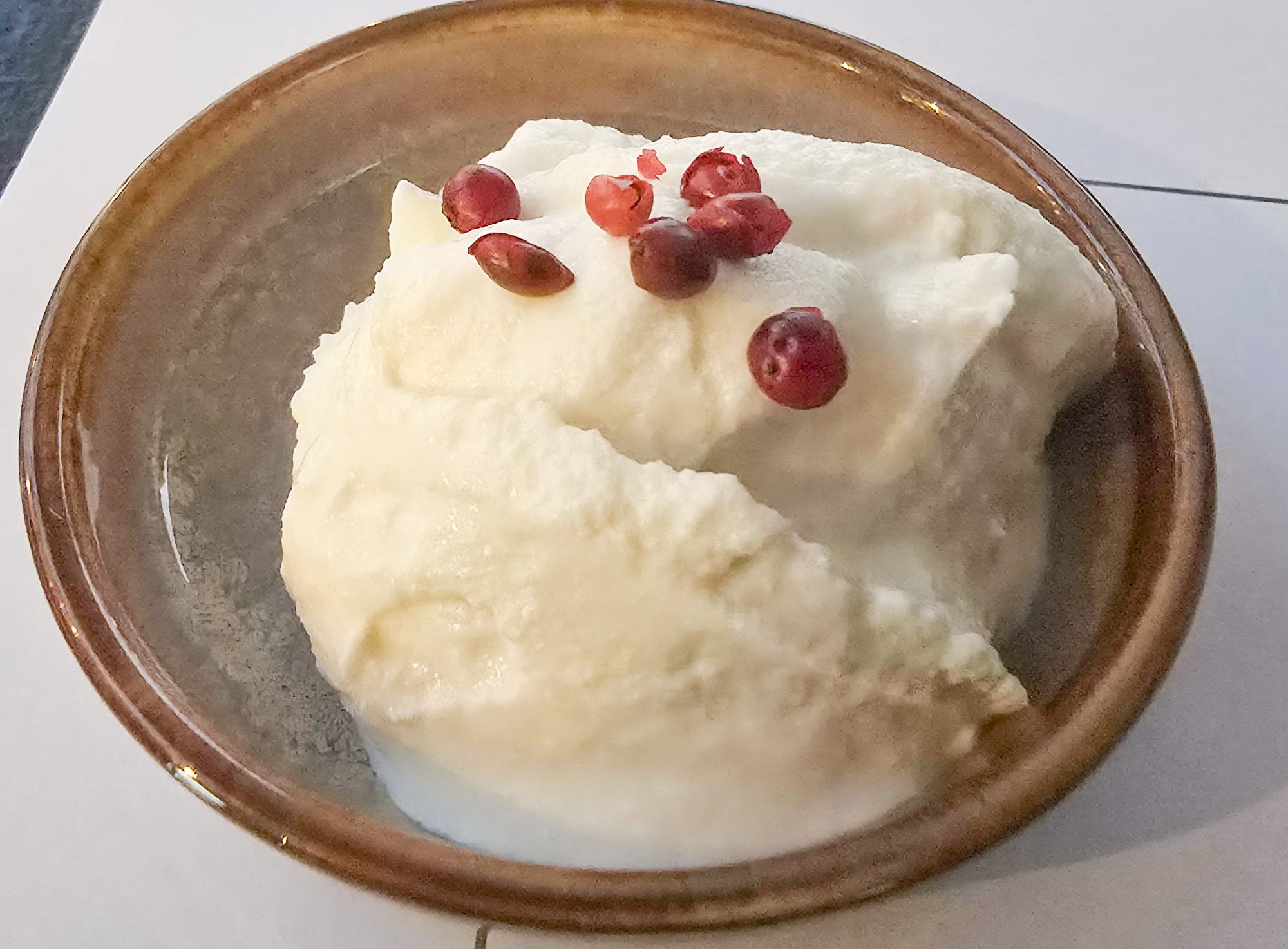
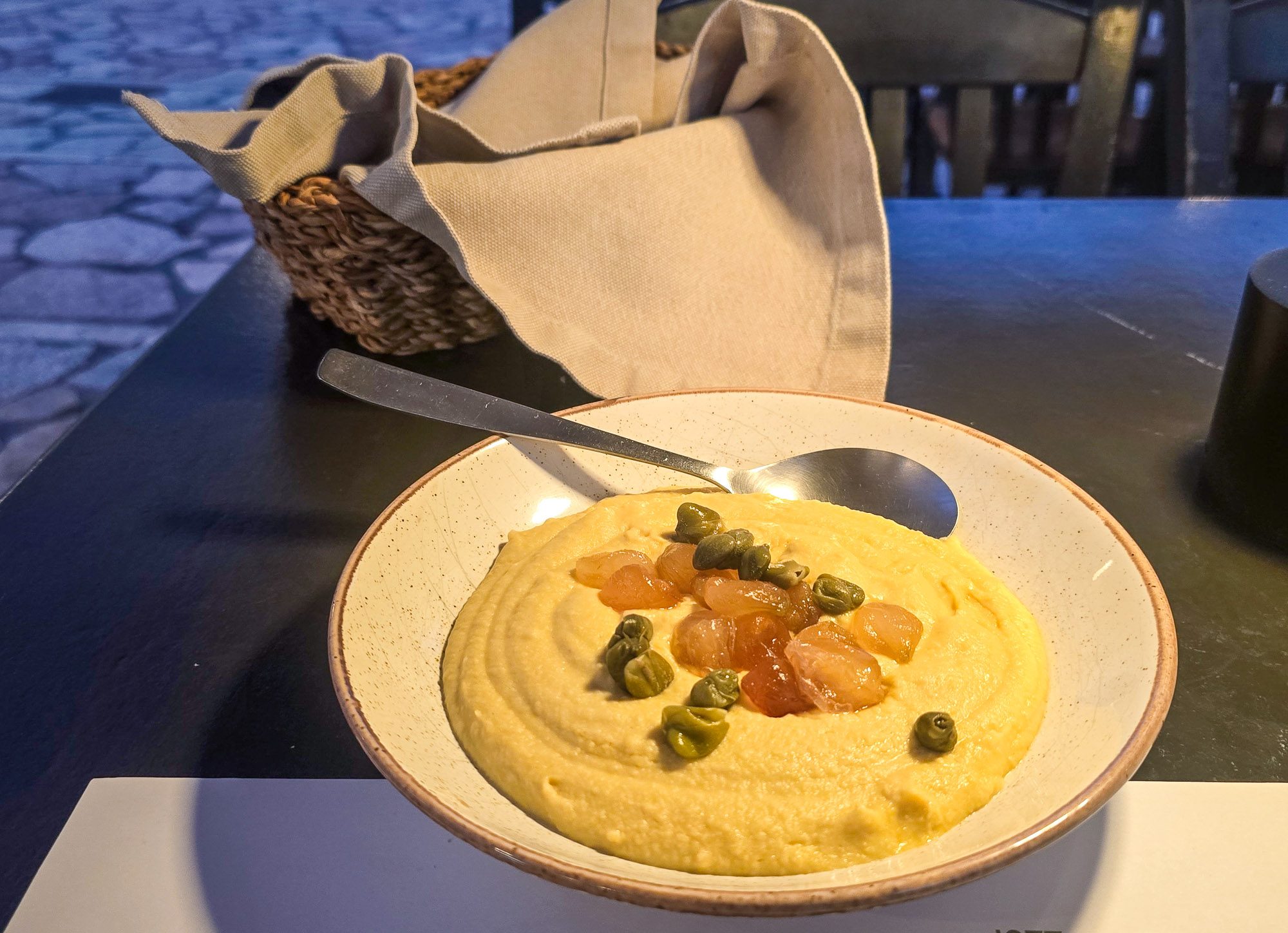
That said, there was one clear exception. Agios, set just back from the marina, delivered consistently on both food and hospitality. The service was attentive without being overbearing, and the standard of the food was such that I found myself returning most evenings once I had discovered it. It is exactly the sort of place that can shape your overall impression of a destination.
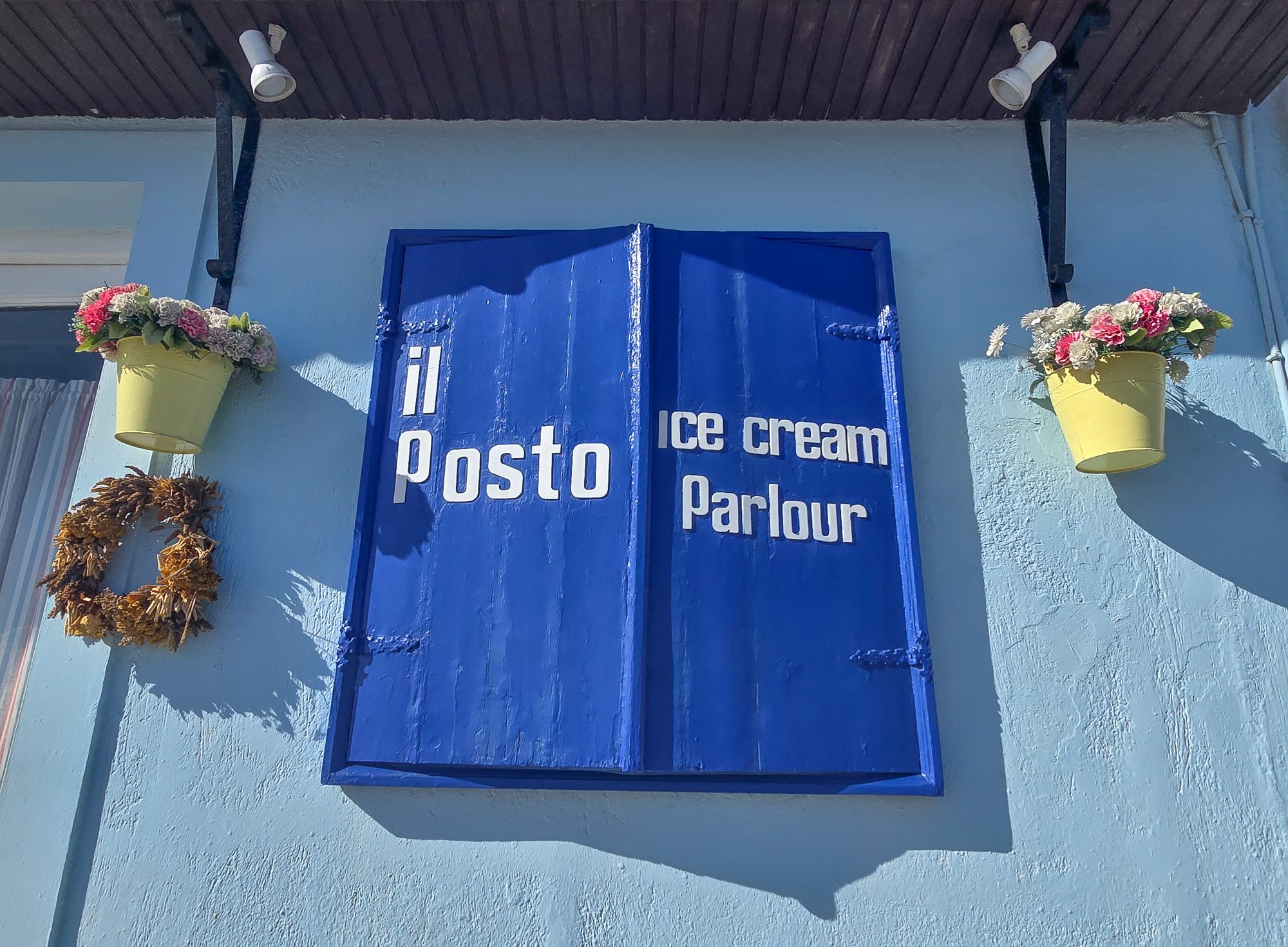
Beyond its appearance, Spetses also offers a cultural dimension that is easy to overlook at first glance. I spotted a cinema, several small art galleries and, of course, the outdoor sculpture park with the works of Natalia Melia. Events such as the Weekend in Tweed hosted by the Poseidonion Grand Hotel, sit alongside more historically rooted occasions such as the Spetses Armata, which commemorates the naval Battle of Spetses in 1822. Taking place each September, the centrepiece of the Armata is the burning of a model Ottoman flagship, followed by a large-scale fireworks display. This also includes a wider programme of concerts, performances and community events taking place throughout the week.
If I had to mention one small negative about Spetses, it lies in how the island manages transport. Cars are limited on the island, much like Hydra, which in itself is a positive step towards preserving the character of the place. However, the absence of cars is offset by the presence of motorbikes and mopeds, which can appear with very little warning, particularly in the narrow streets of Dapia where pavements are almost non-existent. It is less noticeable once you move away from the centre, but within the town it does require a degree of awareness.
Leaving Spetses was not easy. I would have gladly stayed longer, but as I entered the 7th week of this trip, I knew my remaining time in Greece was limited. With the mainland sitting just across the water, I felt the pull to move on.
Browse my Spetses photographs here:
Discover more from A Greek Oddity
Subscribe to get the latest posts sent to your email.


