Messolonghi: A Walk Through the Holy City
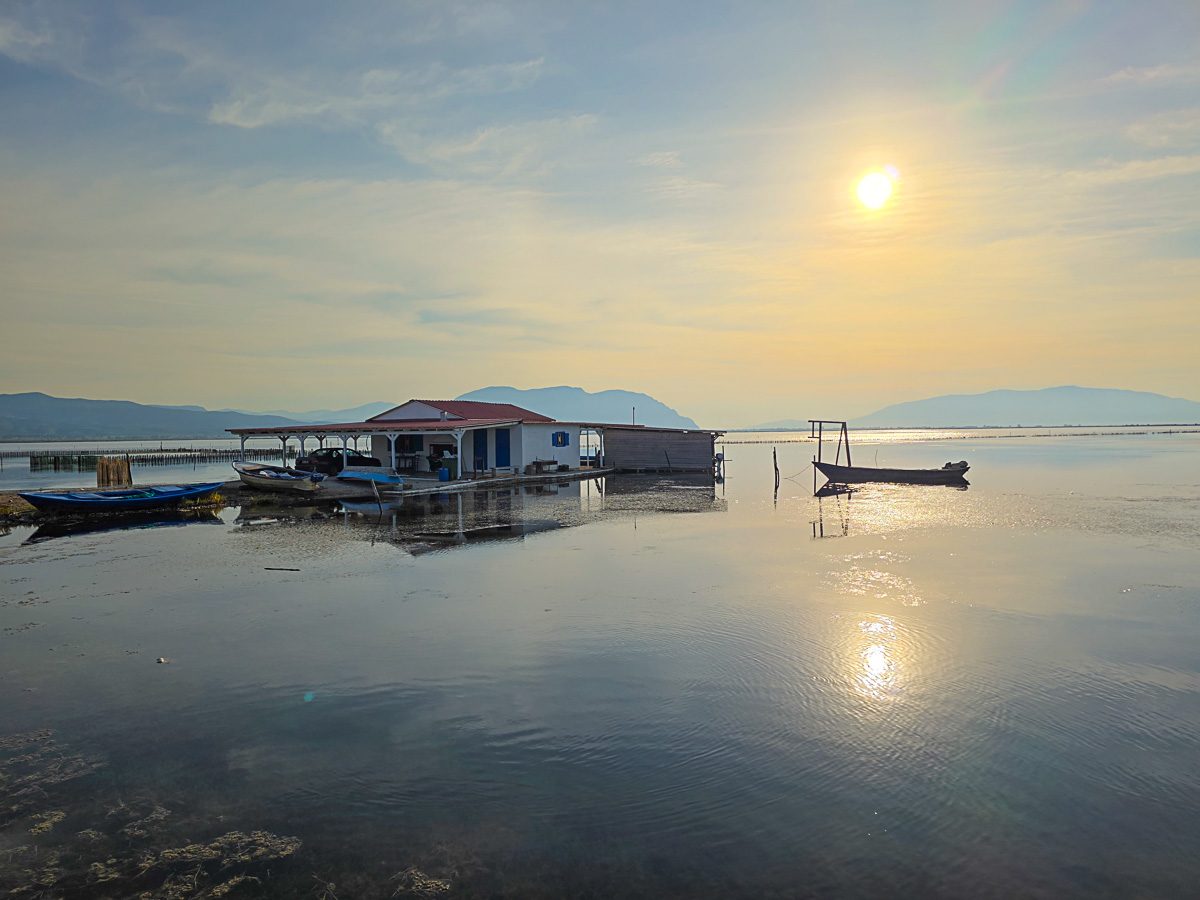
After the morning boat trip around the Kleisova Lagoon, I was back at Island Apartments before the obligatory check out time. Sadly it was time to leave Tourlida and move onto the next destination – Messolonghi – all of five kilometres away. I called a taxi whose number I’d spotted on a telegraph pole on the road to the Salt Museum and in less than ten minutes I was there.
Mezzo Lago Hotel
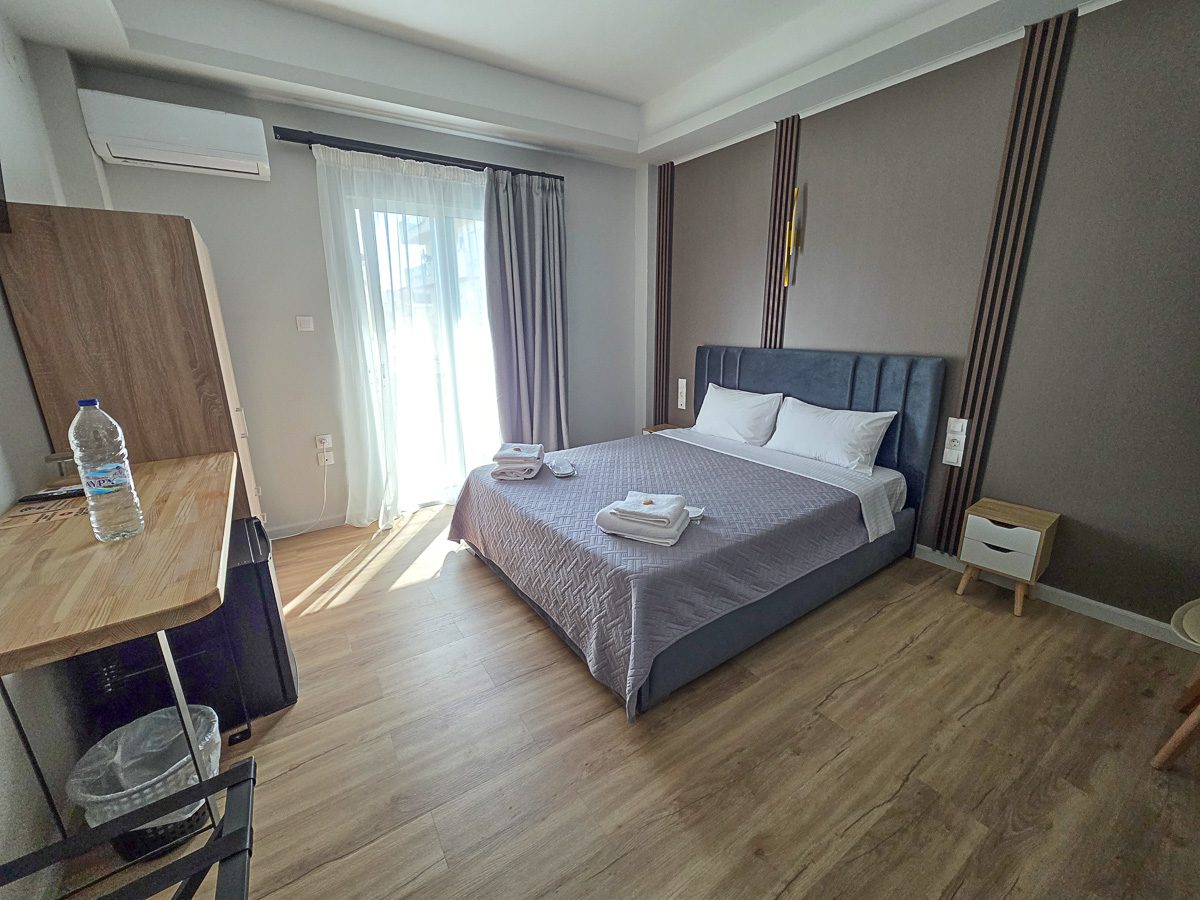
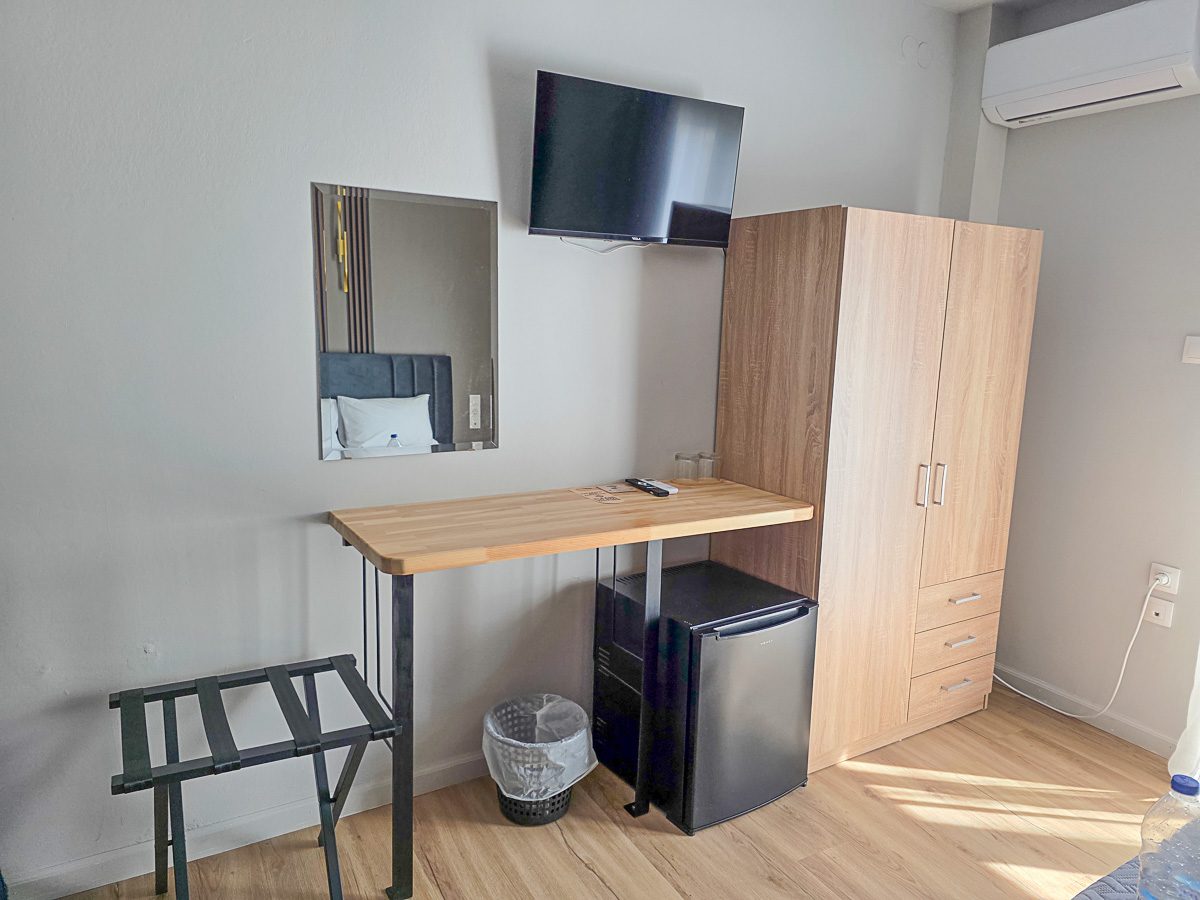
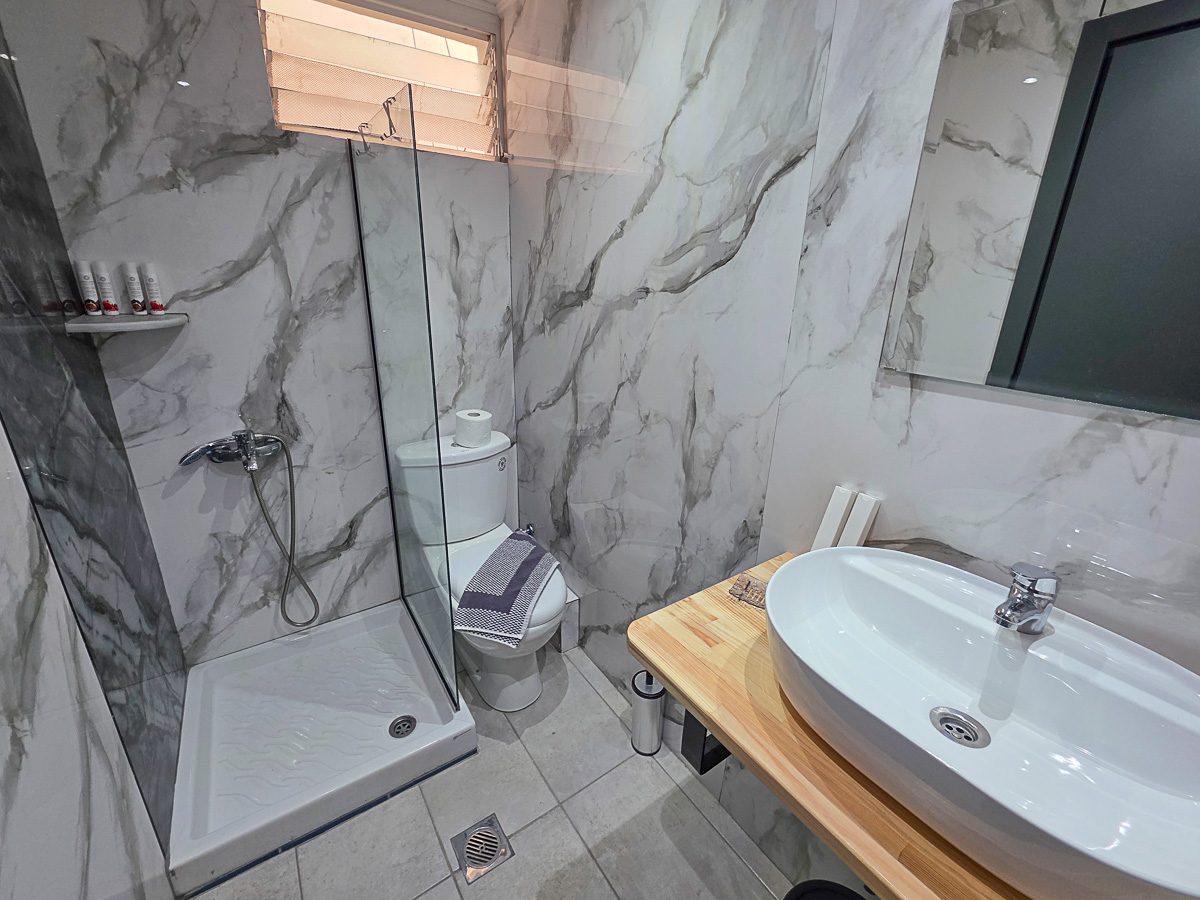
I’d booked two nights at Mezzo Lago. Fani and Olga gave me a friendly welcome and showed me up to my room on the second floor, no lift unfortunately, but Fani kindly carried my bag up regardless.
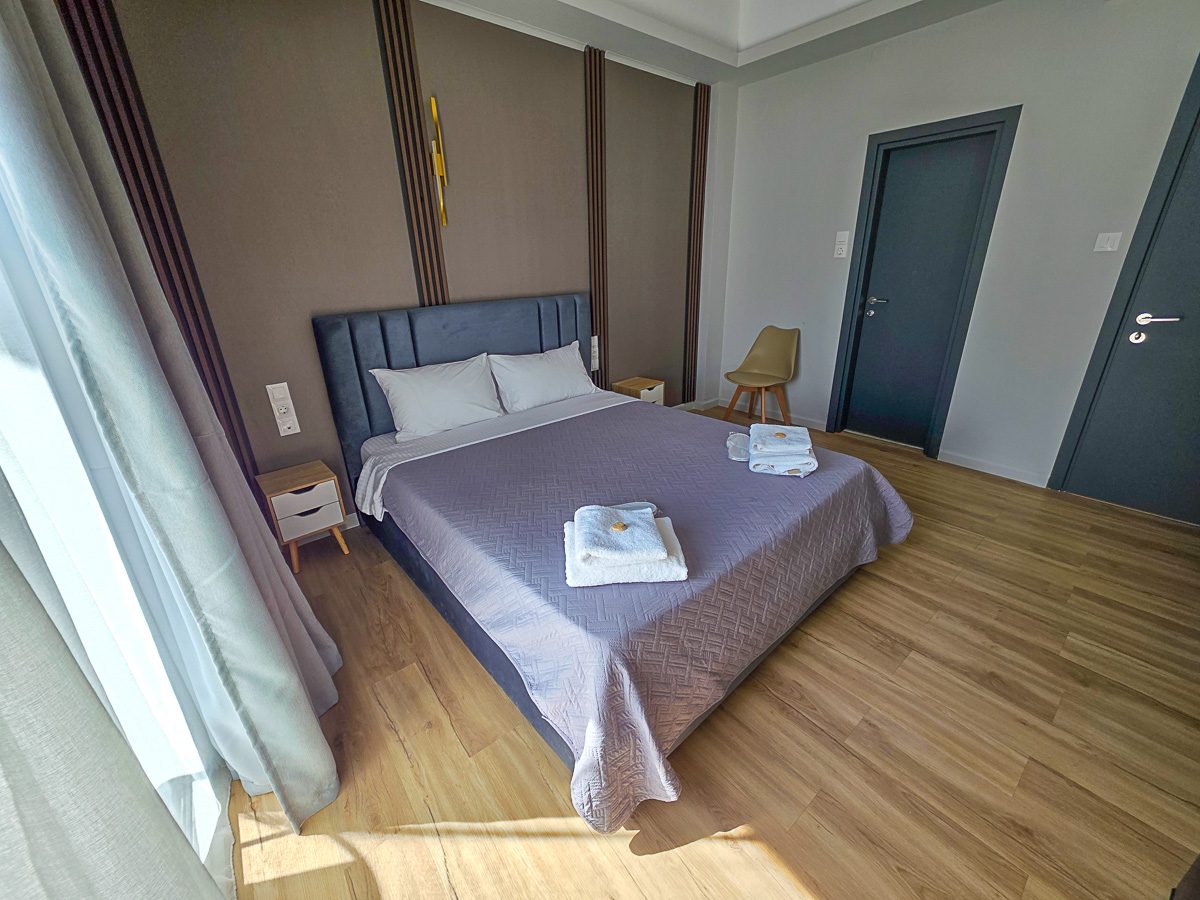
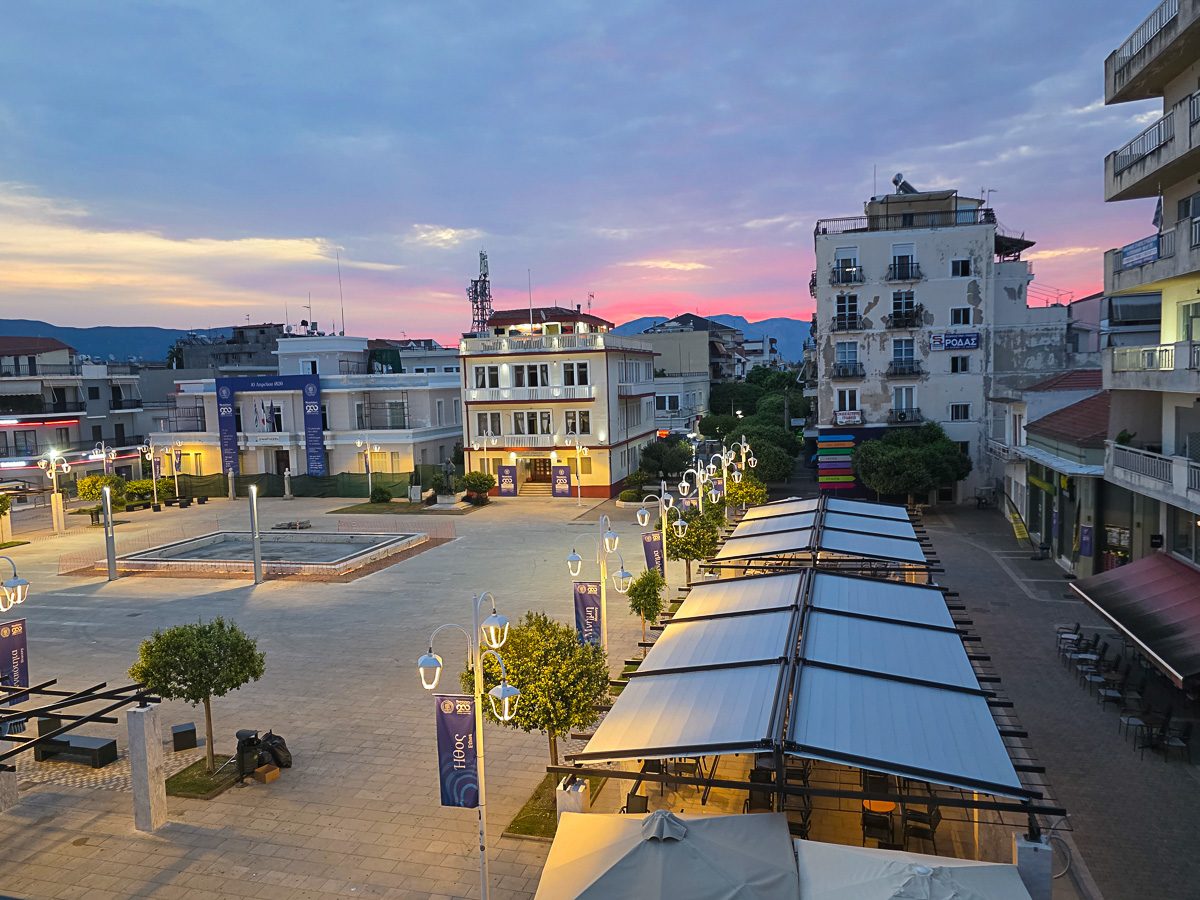
I hadn’t realised when booking that my room sat in prime position overlooking Kentriki Plateia, the central square, and it turned out to be an excellent stroke of luck. The room itself was bright, spacious and modern and Fani told me later the hotel had only opened five months earlier. His son runs it, but he and Olga were minding the place while his son took a holiday. Fani mentioned, almost in passing, that his own profession was private detective – say what? Don’t leave me hanging on this one Fani! I never did get the chance to ask him more about it. But he did tell me that now retired, he was helping his son to refurbish the former old hotel into something that guests will want to visit, and from what I can see, they will do well.
Messolonghi First Impressions
The first thing you notice in Messolonghi is how flat it is, an extension of the lagoon lands surrounding it, streets crossing each other in a regimented grid. Bicycles are clearly the main way people get around here, and not just the young or the sporty. Well-coiffed, elegant middle-aged women cycling past, upright, unhurried, dressed as if they were heading somewhere a bit more important than the bakery. The way they handled the traffic and dodged pedestrians with confidence was impressive. The plateia itself particularly in the evening became a place where all the youth, 90% of whom were also all on bicylces, converged. A meeting place. A place to hang. Not just for the youth though. On a match night the screens came on in the cafes, chairs assembled to get a good view. I didn’t need to go to the internet to see who was playing or who won. The cheers and groans more or less gave me a running commentary throughout the match.
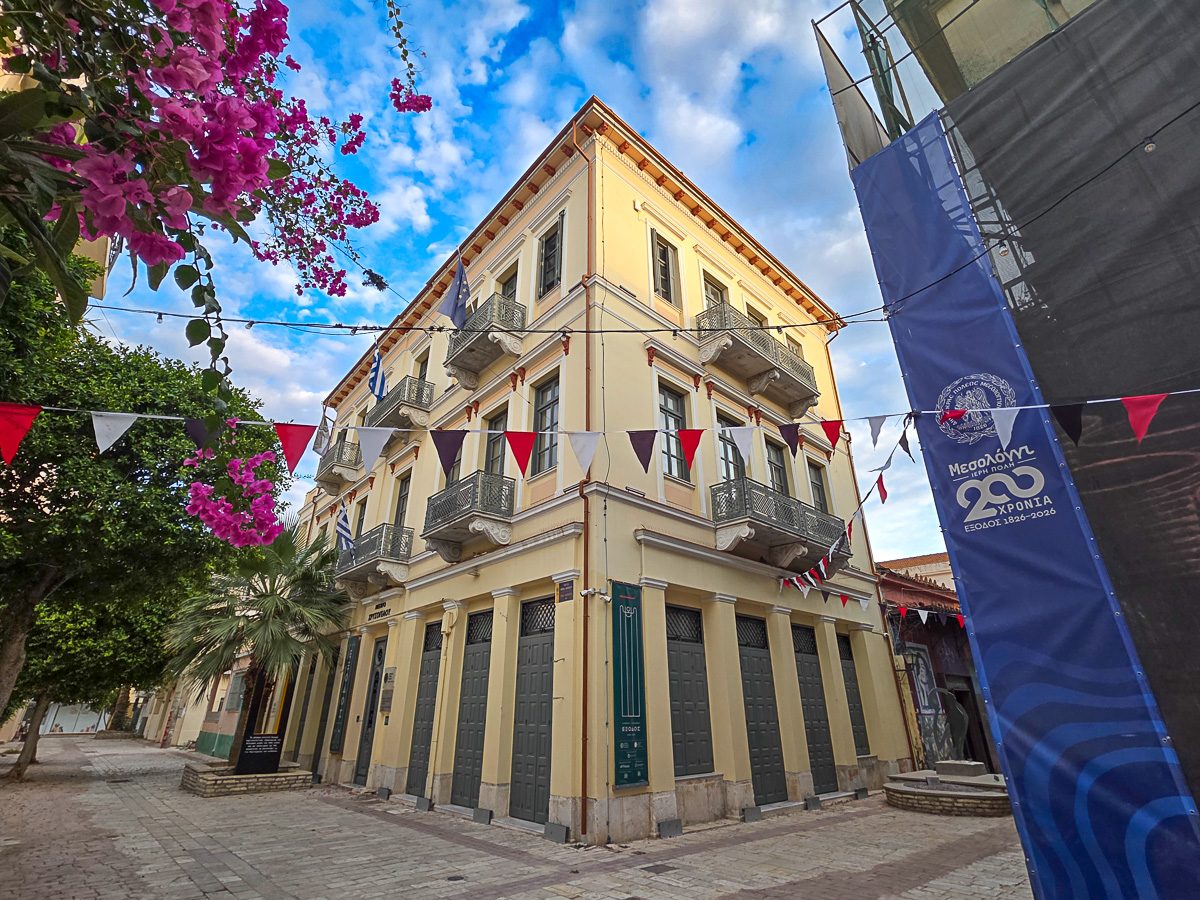
The architecture around the central square and the streets was a mixture of neoclassical and modern. A town built around a plan making it feel functional but still attractive. Wandering into the back streets and the character changes. Quaint shopfronts, traditional kafeneions, old doors with heavy knockers, the kind of detail that roots the town firmly in its eighteenth and nineteenth century development. It’s this mix, modern grid and older pockets side by side, that gives the town its own character and I immediately got a nice feel of the place.
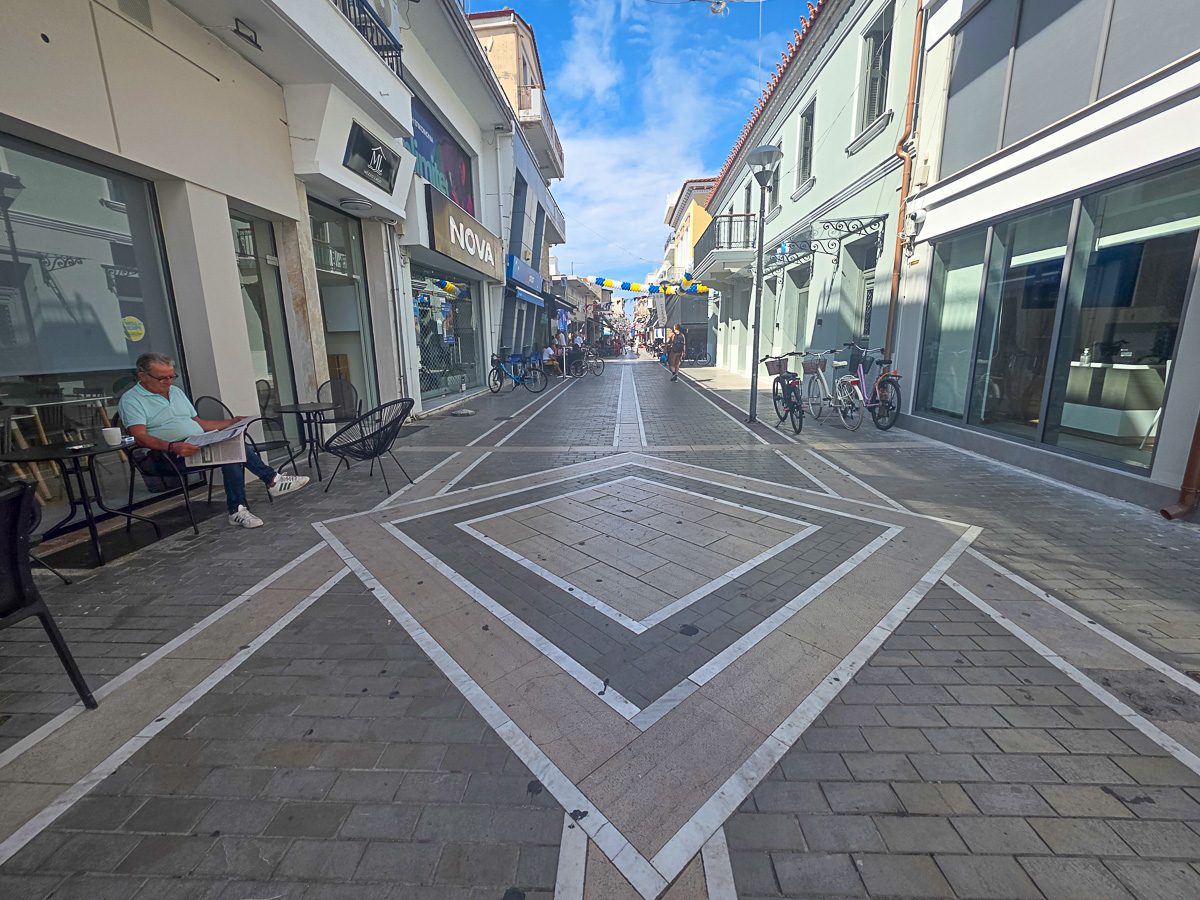
The town is awash with cafes and it’s here that I got the sense that this is a town with a young demographic, possibly skewed because of the nearby university campus and the military training camp.
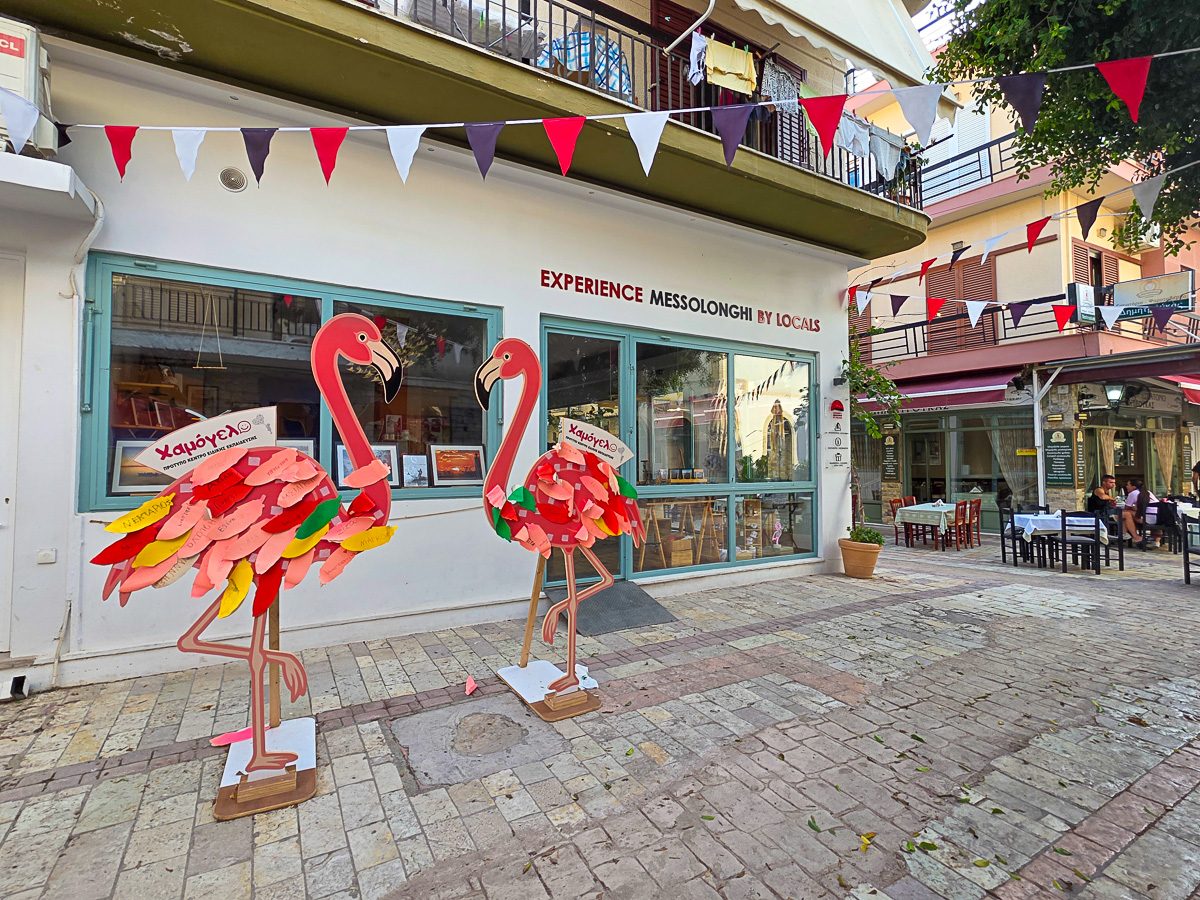
Traditional tavernas tucked in among them, busy with locals rather than visitors, which is why a recommendation is worth having. Fani recommended Dimitroukas, a traditional taverna and fish restaurant a few streets away. I pass that recommendation on again because trying to find the traditional tavernas among the modern coffee bars and fast food joints aimed at the young people wasn’t straightforward. Dimitroukas is coincidentally next door to the Messolonghi by Locals hub – well worth checking out if you want a guided tour of the Garden of Heroes or even a tour of the Kleisova Lagoon.
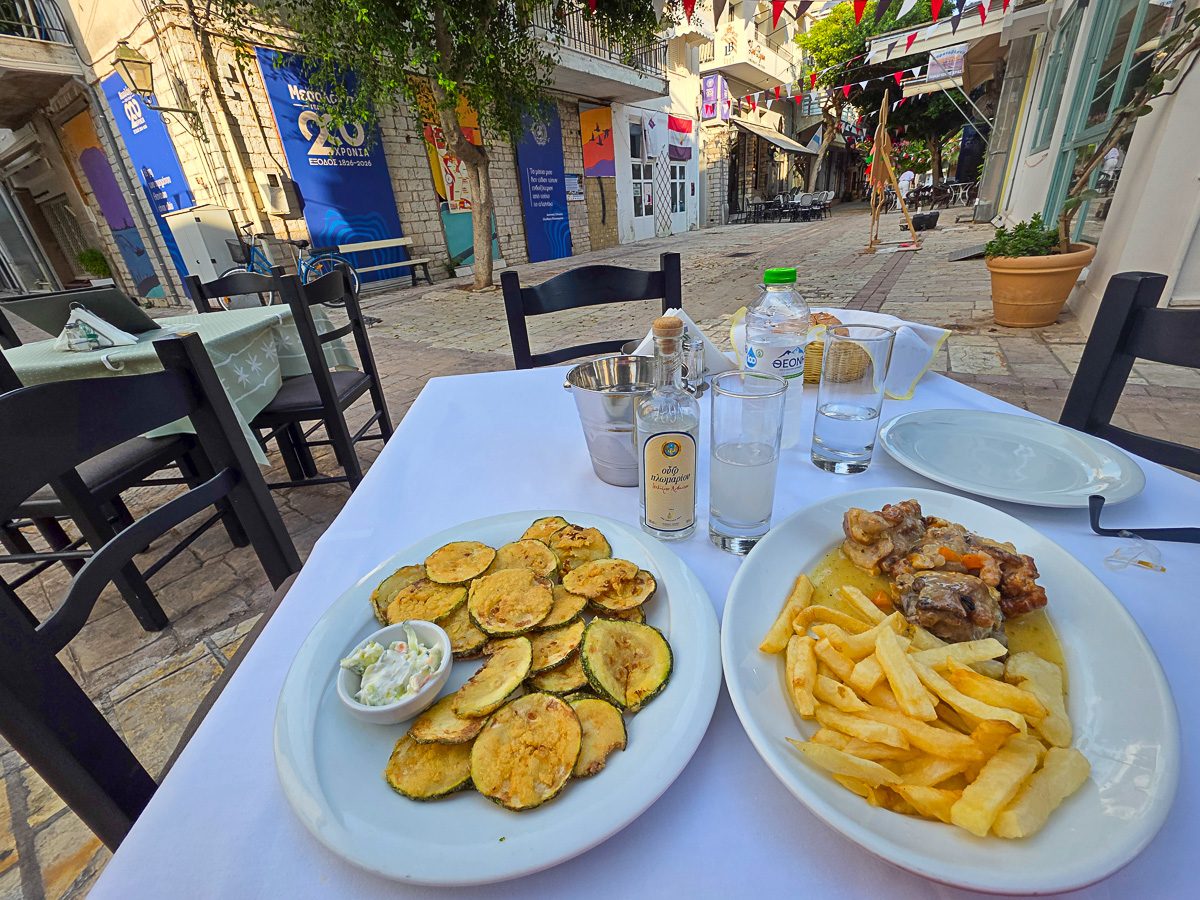
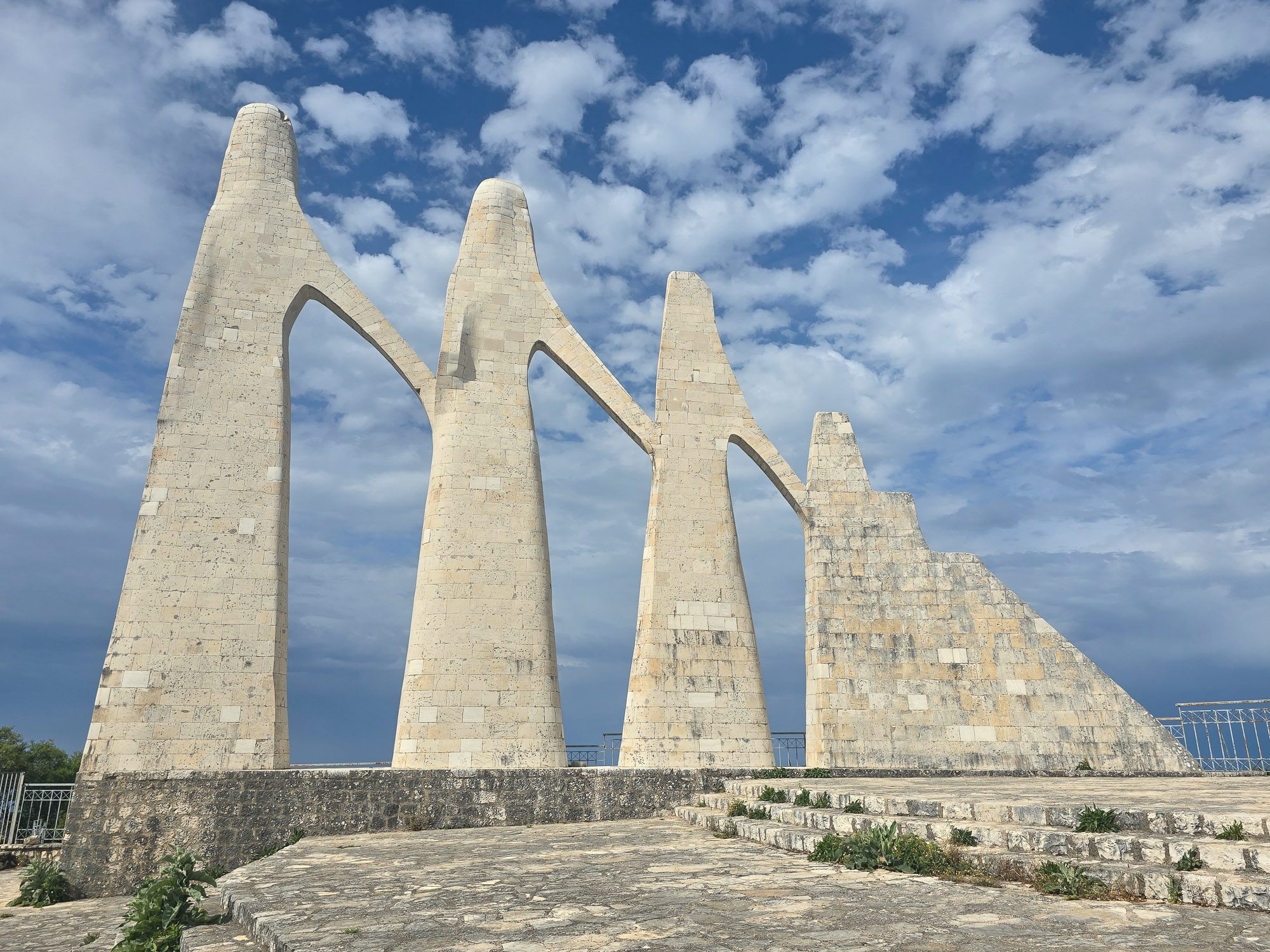
It didn’t take long walking those streets to understand why the town carries a certain air of grandeur. Messolonghi holds the official title Iera Poli, the Holy City, granted by royal decree in 1837, the only Greek city to hold it. The title exists because of what happened here during the War of Independence, two sieges withstood, then a third that ended in the Exodus, thousands of defenders and civilians attempting a desperate night breakout in April 1826 after months of starvation, most killed or captured, some choosing to end their own lives rather than be taken.
What was left of the city was largely destroyed. Rebuilding came after independence, and the honorary title came with it, recognition for a sacrifice that shaped how the rest of Europe saw the Greek cause, philhellenes across the continent, Byron among them, were galvanised in part by what happened here. It explains the comparatively young architecture too, this is a town that had to be rebuilt from very little.
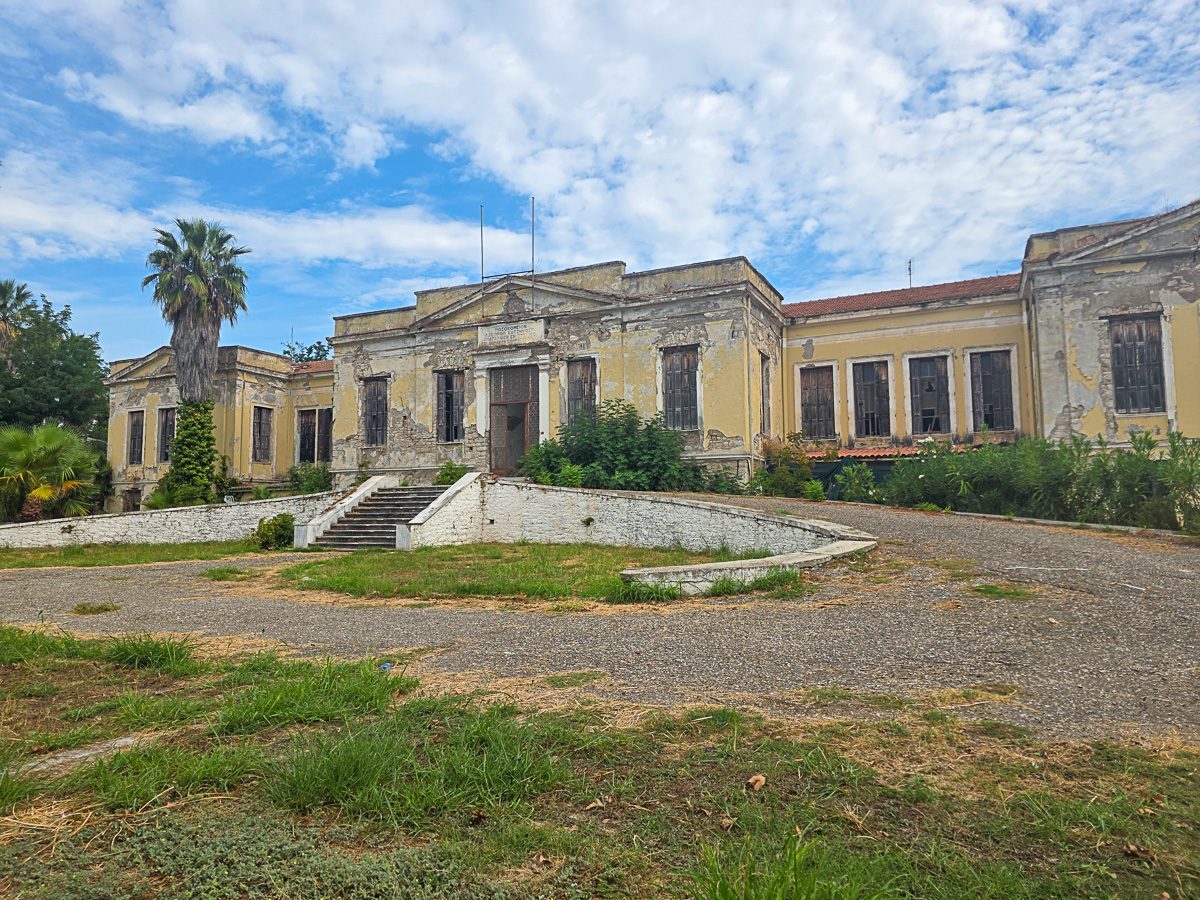
One striking building that did get my attention was a handsome neoclassical building adjacent to the Garden of Heroes. You can’t miss it when you visit. This turned out to be the old Chatzikosta Hospital, funded by a bequest from a benefactor of the same name who left ten thousand roubles for its construction in 1815, shortly before he died. It opened in 1852, treated war casualties through the Balkan Wars, and its staff took part in the Resistance during the Occupation, before the hospital finally moved elsewhere in the 1970s. The old building is now a listed monument, though I must say today looks rather forlorn.
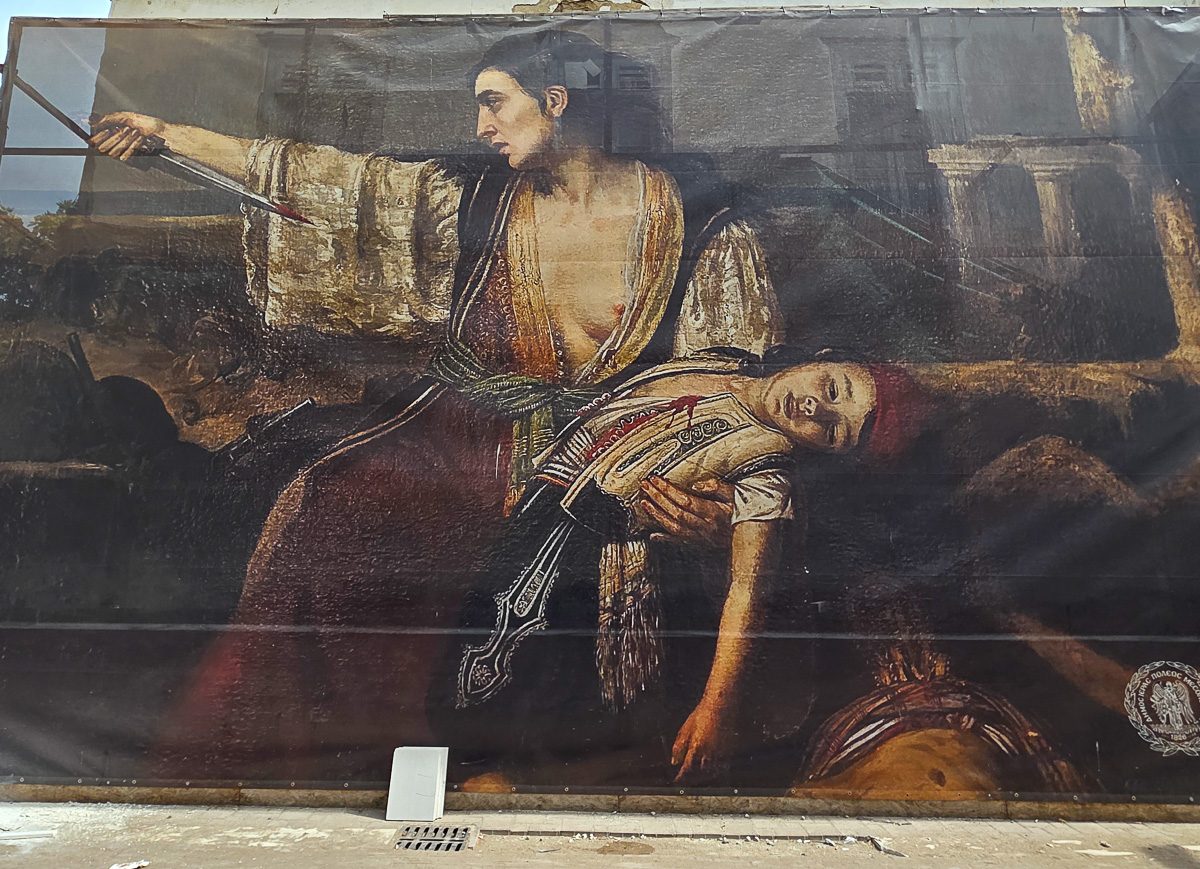
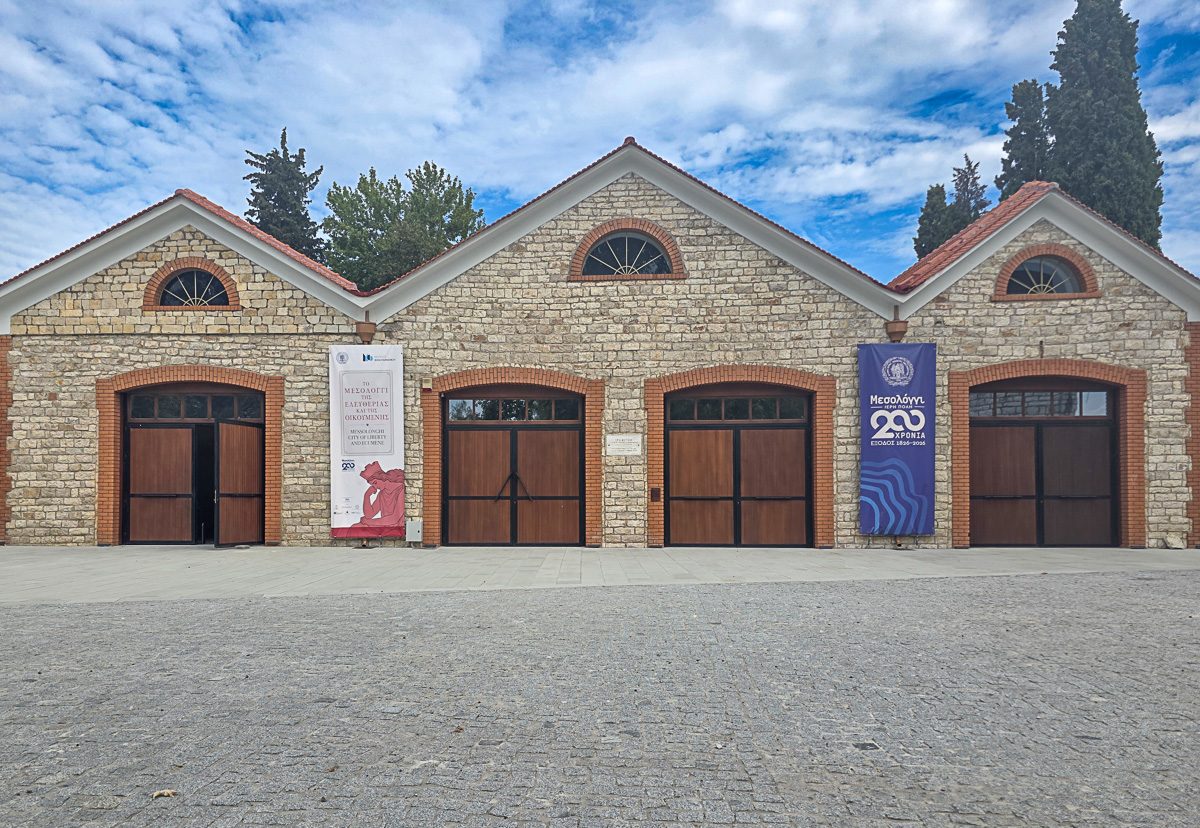
This year marked the two hundredth anniversary of the Exodus, apparent on all the key buildings, which were adorned with banners, including one vast reproduction stretched across an entire building front, François-Émile de Lansac’s 1827 painting Episode from the Exodus of Messolonghi, a woman at its centre turning a bloodied knife on herself rather than let her dead child and husband fall into Ottoman hands. The town had marked the year with art exhibitions, concerts, lectures and a full programme of events, including a reenactment of Kapsalis blowing up the gunpowder stores.
The Garden of Heroes
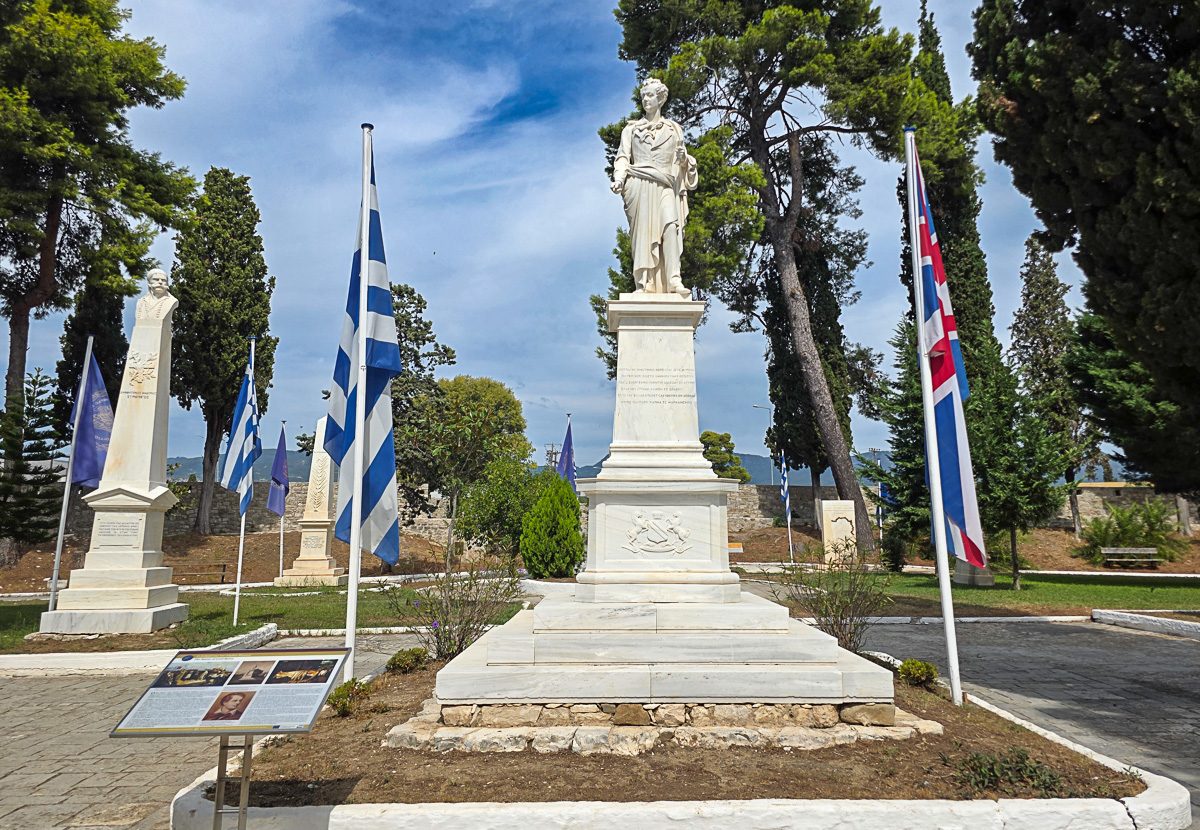
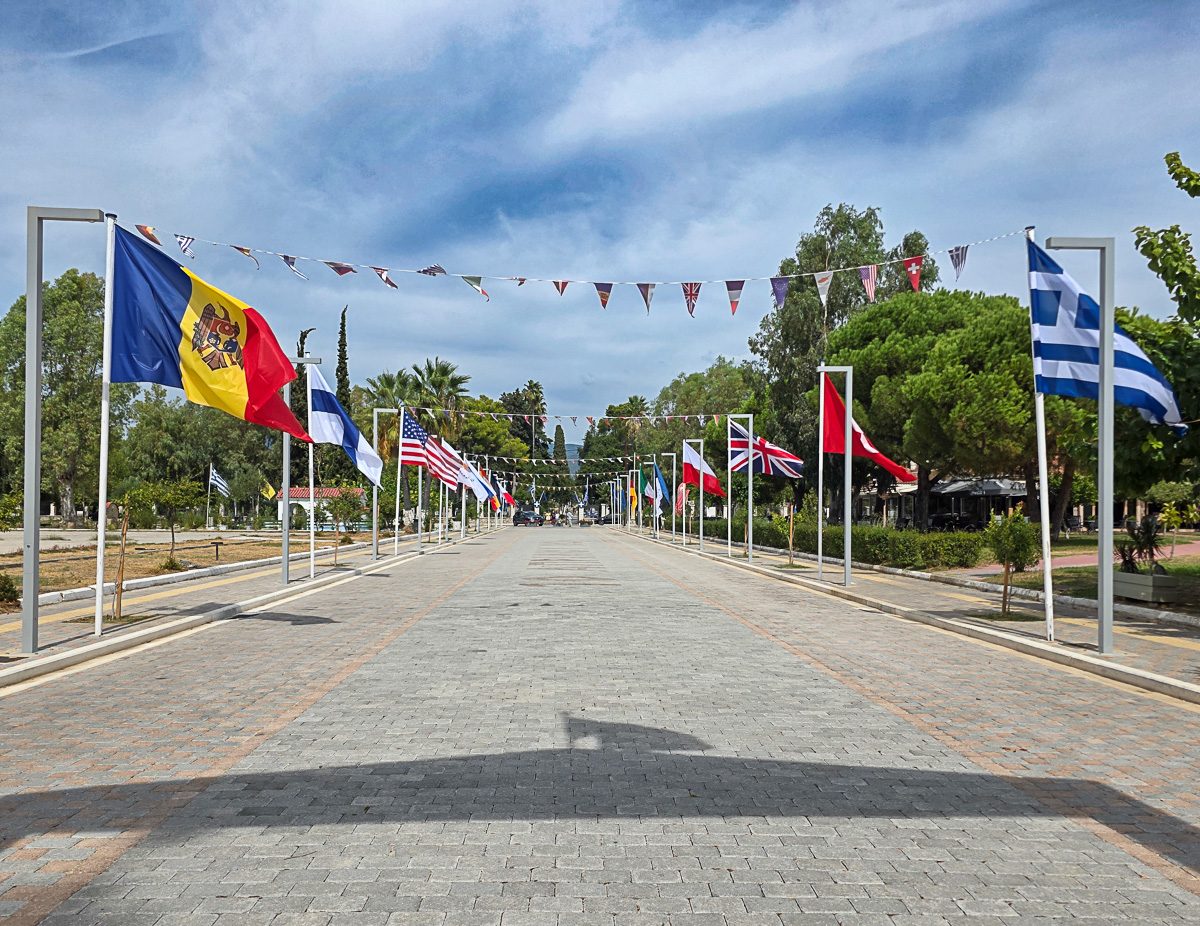
Messolonghi’s history has a physical centre, the Garden of Heroes, and it should be top of anyone’s list visiting this town and just a five minute walk from the hotel it was an easy visit. The approach to the Garden of Heroes runs through an avenue lined with flags, one for each nation whose philhellenes came to fight and die for the Greek cause, a fitting overture to what waits inside, individual memorials to French, British, German, Polish, Scandinavian, Italian, Russian and Cypriot volunteers alongside the more famous statue of Byron himself.
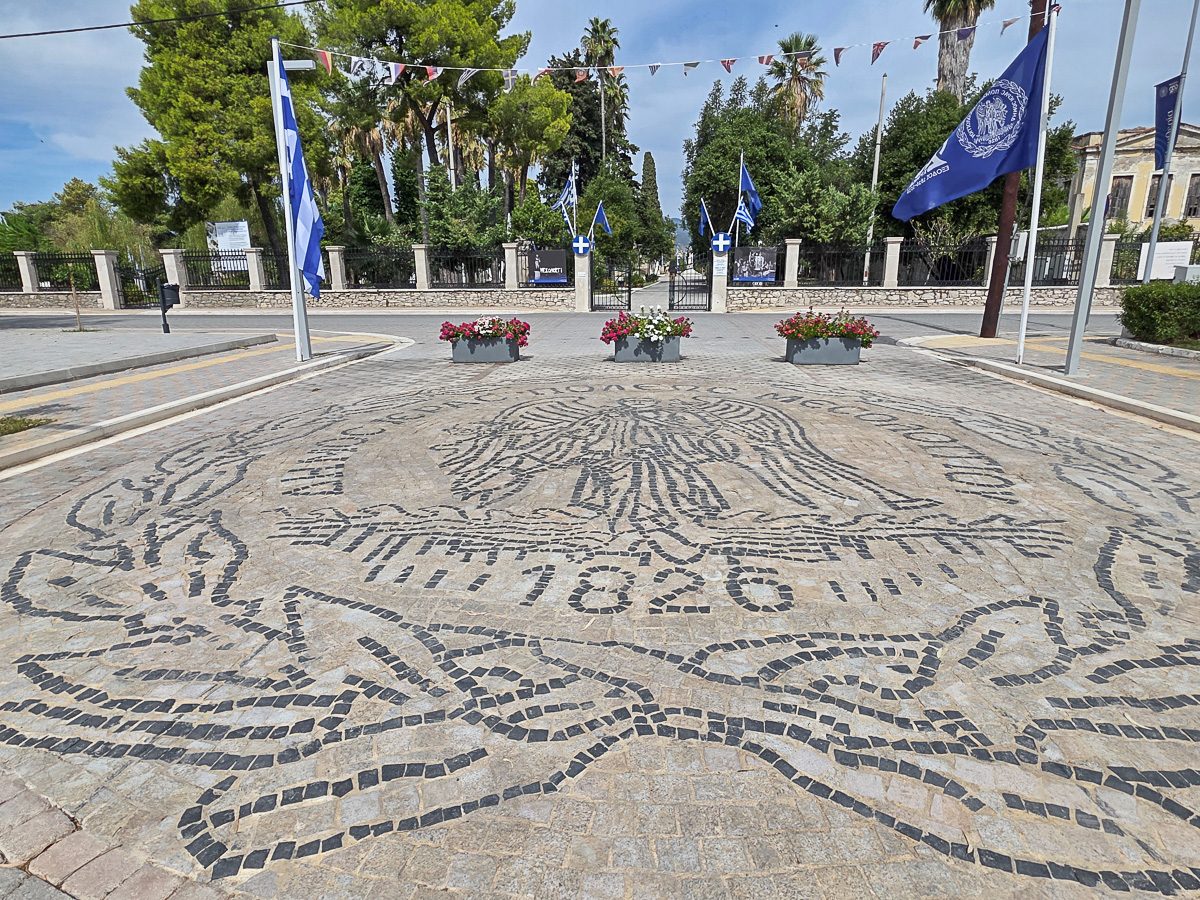
Just before the entrance to the Garden itself stands a separate memorial, names of philhellenes carved across marble panels by nationality, hundreds of them, soldiers who died fighting alongside the Greeks, but writers and supporters too. Victor Hugo’s name is there, among the French, for his poetry in support of the cause, several pieces written directly about the Revolution, one composed within weeks of the Exodus itself, giving voice to three of the revolutionaries killed here
Once through the gates, a map shows where the well known memorial statues are located. The Garden meanders rather than the straight lines of a formal garden. Gravel paths curving between clusters of palm trees and dark cypress, individual monuments appearing one at a time, white marble busts on stone plinths, a Greek flag alongside another beside nearly every one, small white crosses scattered among the planting marking individual graves. Its back is enclosed by a stone wall with a bastion at intervals, not original to the siege itself, but rebuilt in the 1830s and 40s tracing the exact line of the fortifications that once stood here.
The Garden holds a mound where the remains of the defenders are buried, alongside statues of the philhellenes who supported the Greek cause, Byron among them, and of Greek leaders including Markos Botsaris. Botsaris himself was a chieftain from Souli, a cluster of mountain villages in Epirus whose fighters had a reputation few in the region could match, decades spent resisting Ali Pasha before most of them had ever heard of the Ottomans threatening Messolonghi at all. It was Botsaris who led the night attack at Karpenisi in August 1823, a few hundred Souliots against a Turkish force several times their number, routing them before he was shot and killed partway through the fighting, his men hiding his death until the battle was won. He’s buried here in the Garden
I gave my now 97 year old aunt Janet a video call to show her Byron’s statue. She always travels with me vicariously and knowing I was coming here she’d been reading up on it. “Well” she said. “As much as Byron loved Greece it seems his family had his bones shipped back to England”. “Ah” I said. “It says here that his lungs are buried under this statue!” We couldn’t help but wonder why it was his lungs!
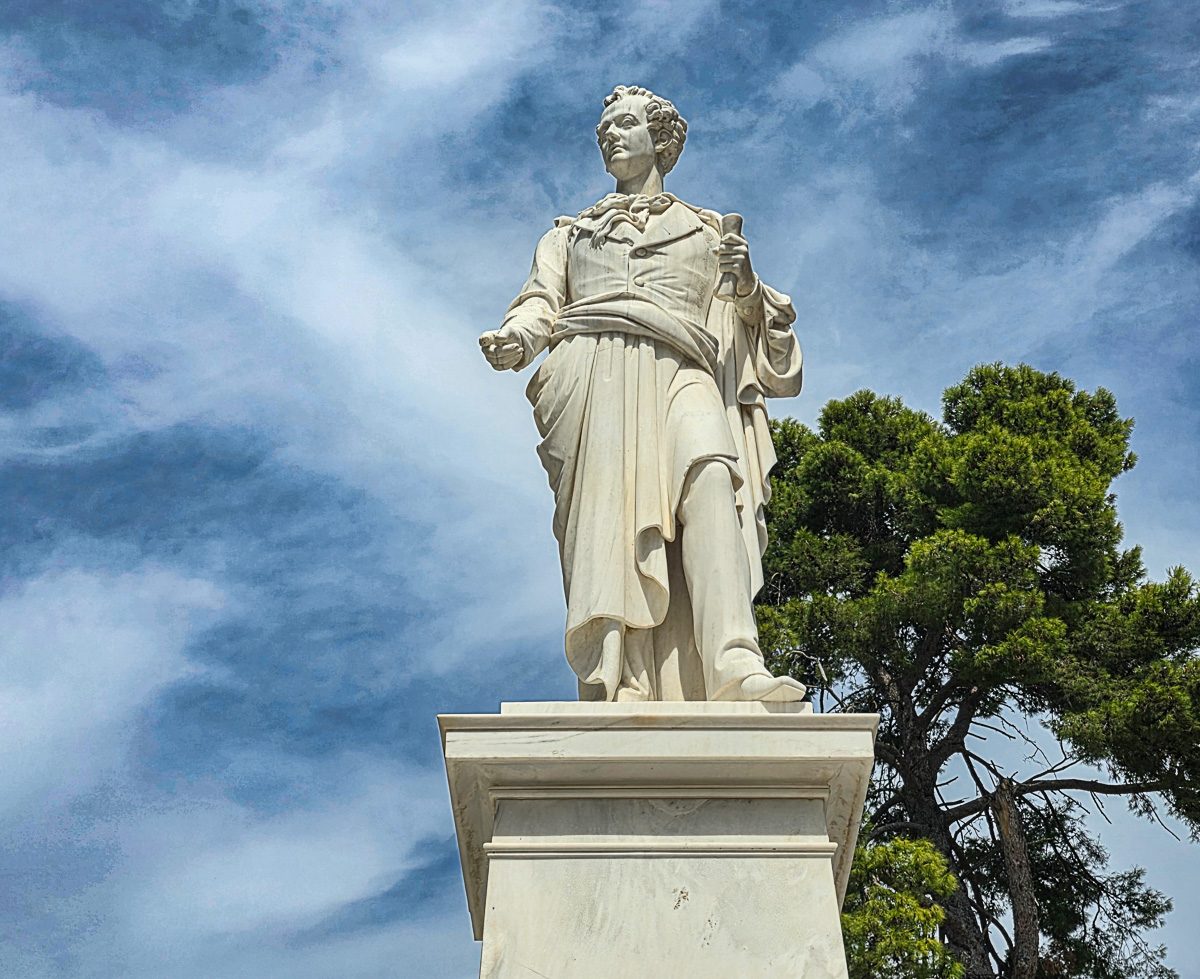
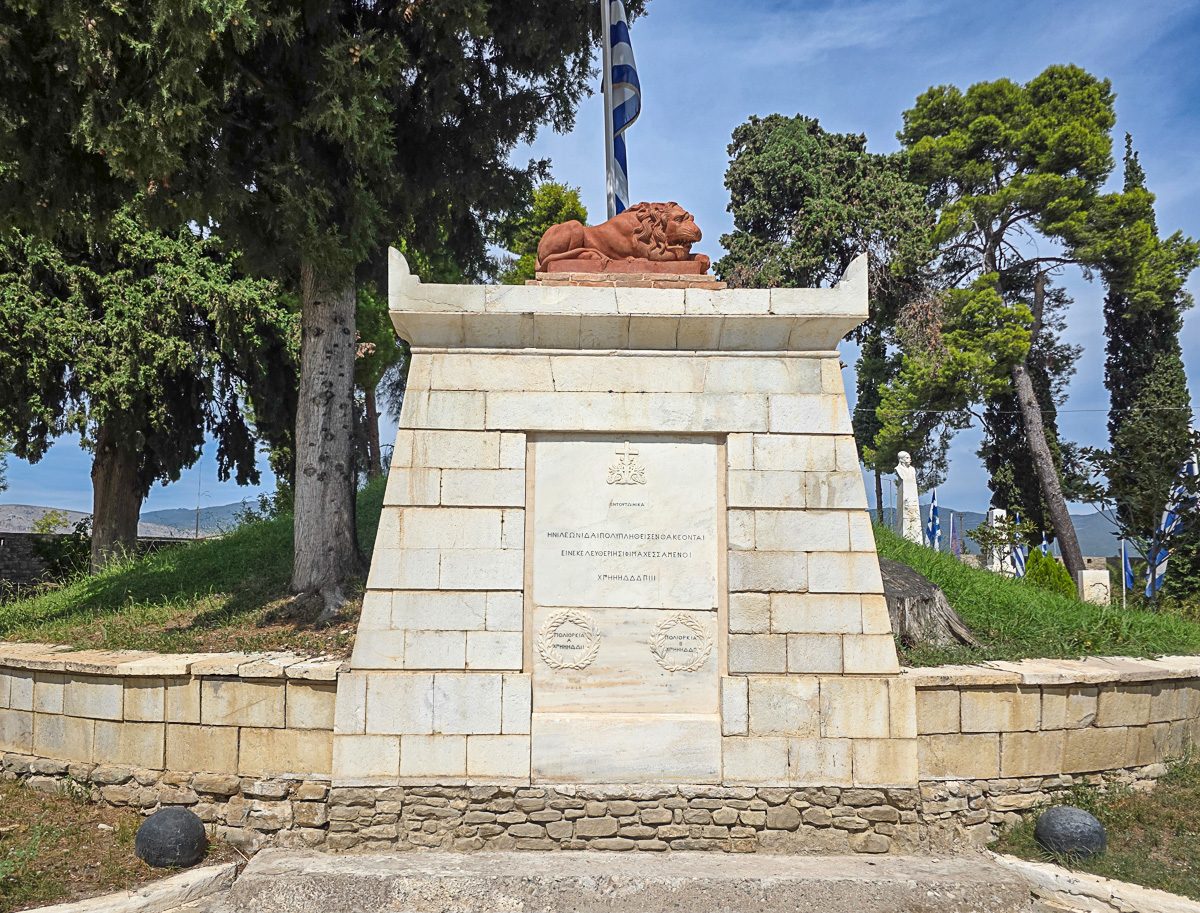
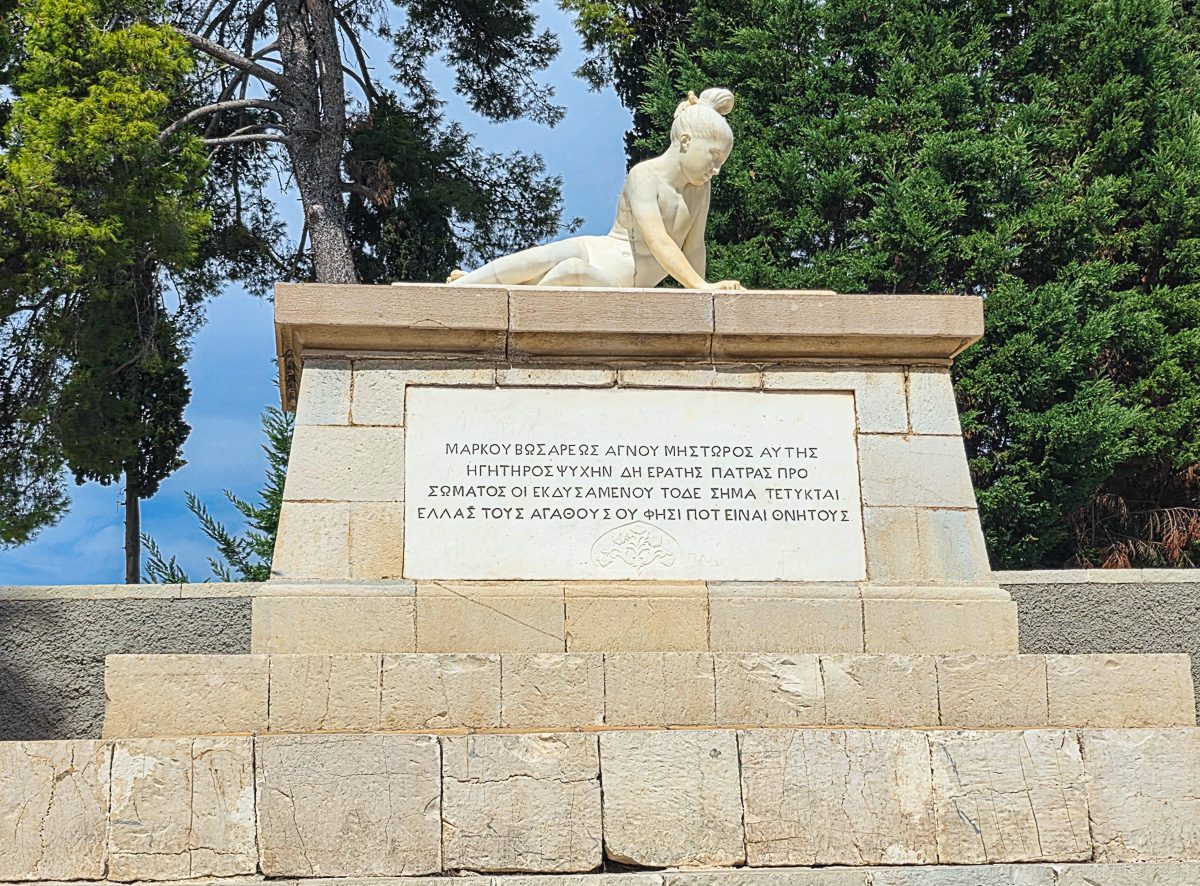

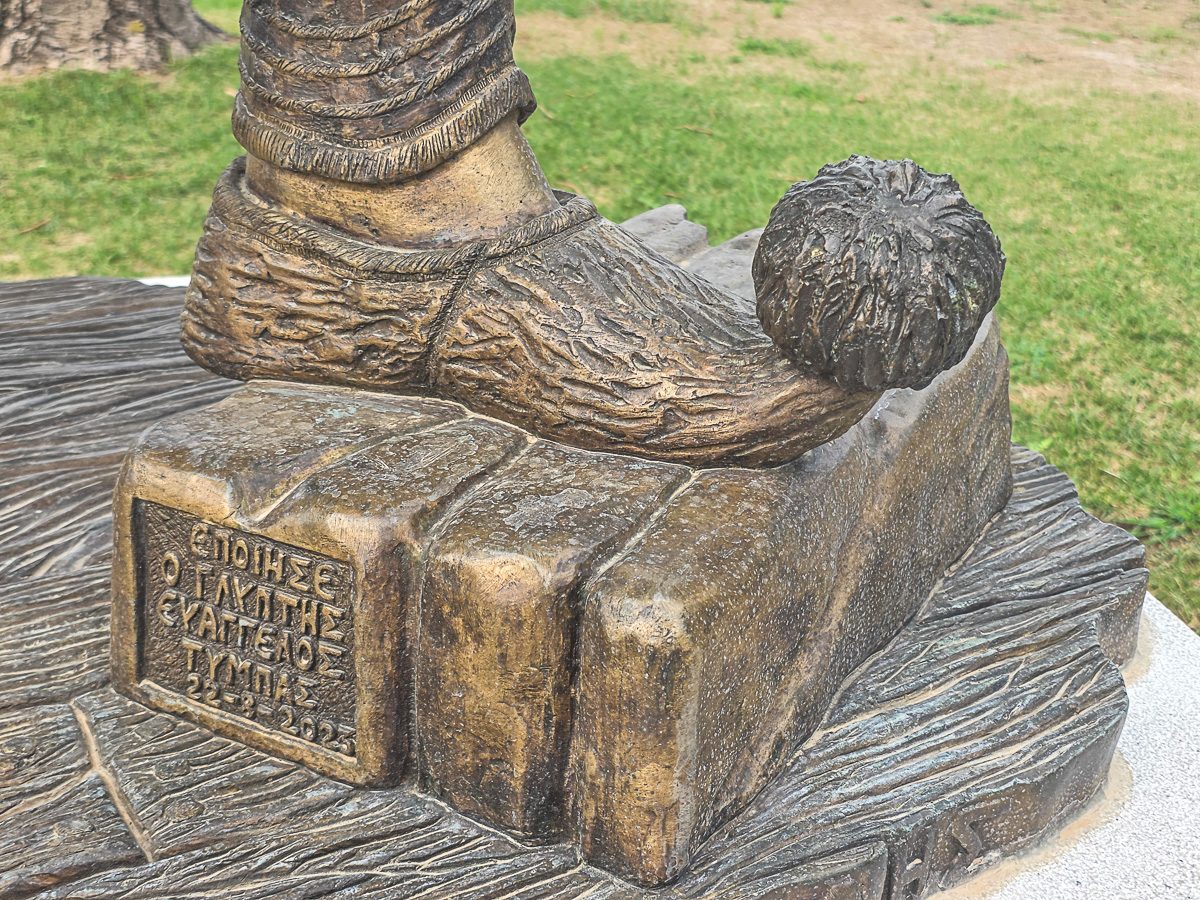
The Garden of Heroes is described by the Municipality as an “ark of national memory”. But step outside its gates and the symbolism continues. The statue of Christos Kapsalis recalls one of the most dramatic acts of sacrifice of the Exodus. He was a village elder in his seventies during the siege, who chose to blow up the gunpowder stores himself rather than let them fall into Ottoman hands as the city was finally overrun, taking a number of attacking soldiers with him. It’s the same explosion reenacted every year during the Palm Sunday commemorations, the final beat of the whole procession.
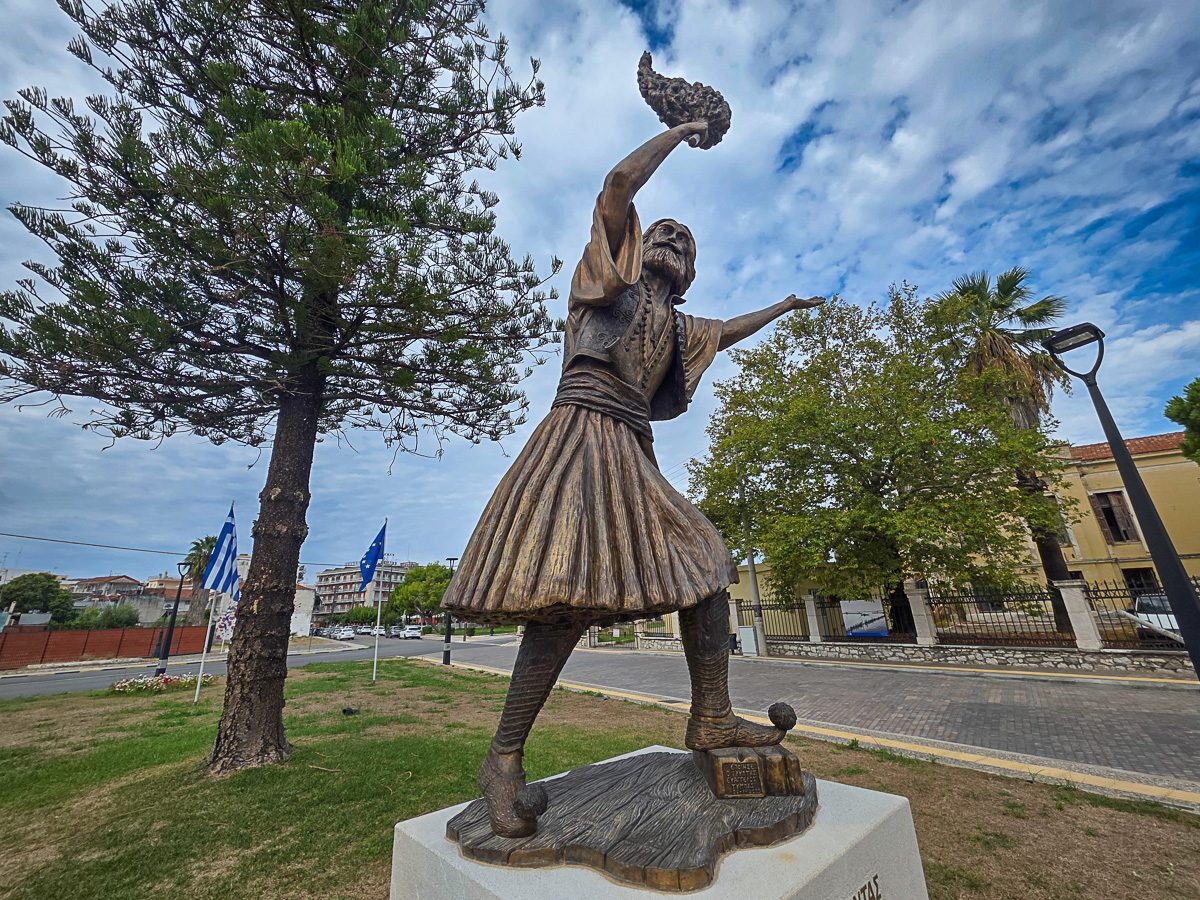
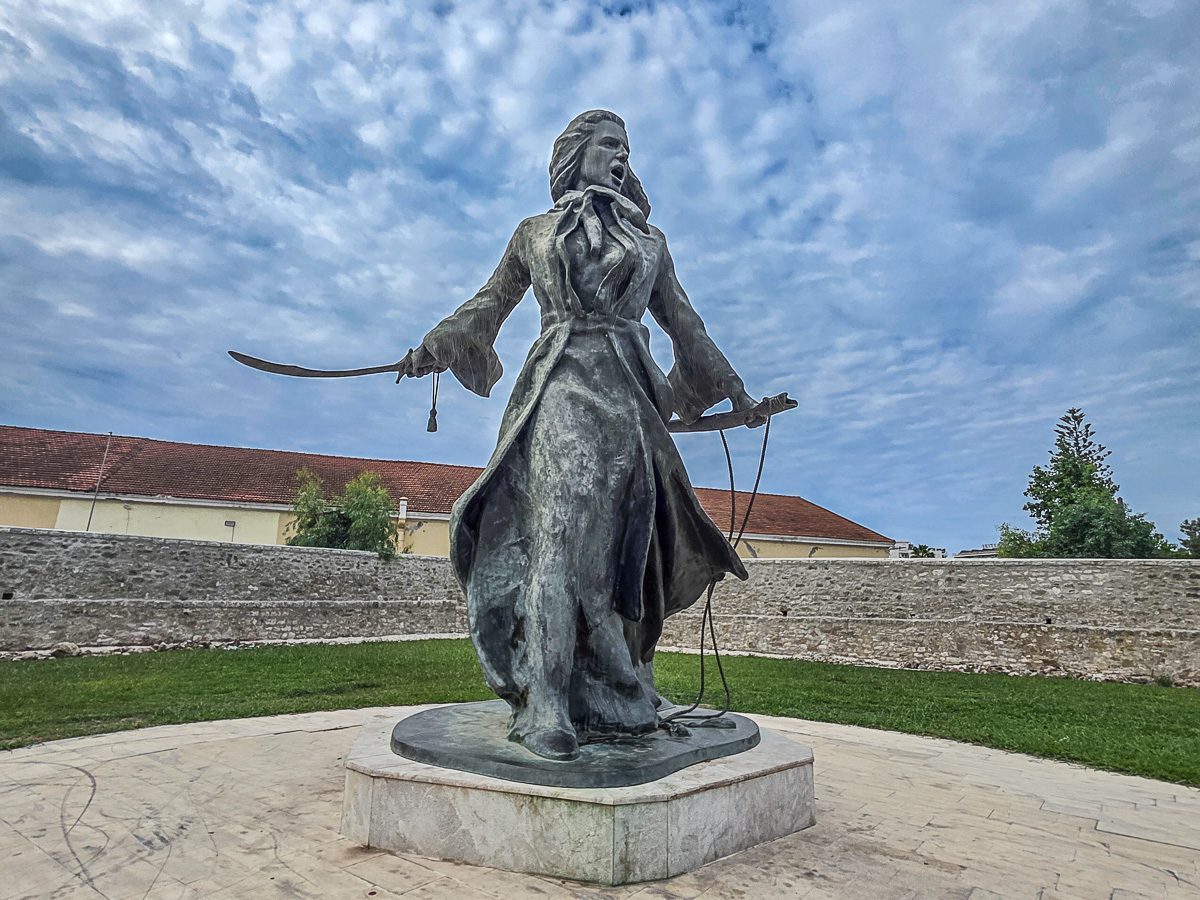
Not only does Messolonghi remember its past, it places the idea for which those people died firmly in the present. Beside the monumental gate into the old city stands a five-metre bronze figure of a woman mid-fight, sword raised, shouting. This is Liberty, I Eleftheria, modelled on the description of her in Dionysios Solomos’s Hymn to Liberty, the poem that became Greece’s national anthem and Cyprus’s too, written by Solomos in 1823 and first printed right here in Messolonghi the following year. A carved stone bears a line attributed to Loukis Akritas: “Every free man is a citizen of Messolonghi.”
The Trikoupis Museum
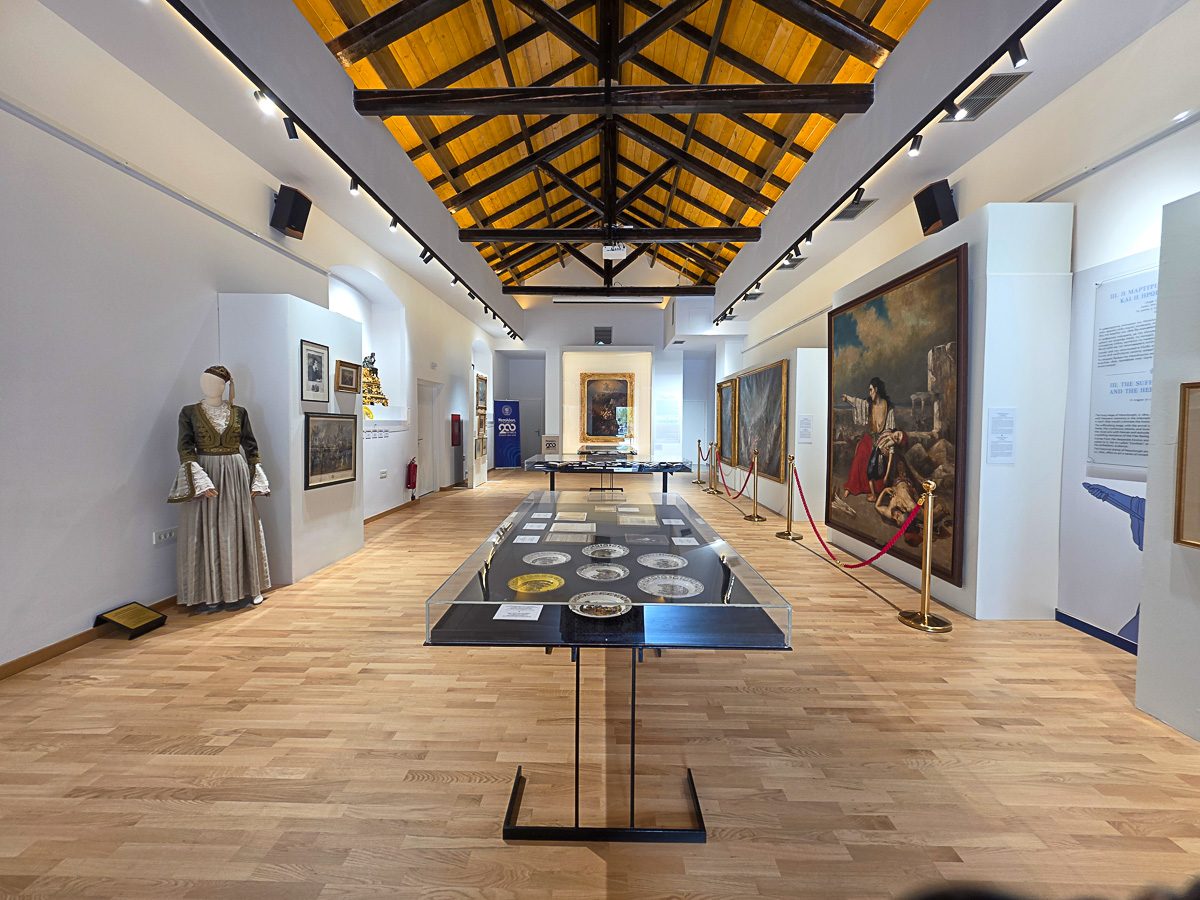
From there I carried on ambling, taking in the architecture, always my favourite way to get a real sense of a place, and it was on one of these wanders that I stumbled across the Trikoupis Museum. Free to visit, housed in a two-storey stone mansion originally built in 1730 by Georgakis Trikoupis, though what stands today dates mostly from the 1850s, the original having been almost entirely destroyed during the Exodus. It was rebuilt on the same site by the sons of Ioannis Trikoupis, and later became home to Charilaos Trikoupis, who served seven times as Greek prime minister.
The family donated the house to the municipality in 1992, and it’s operated as a museum since 1994, personal items, photographs, prizes and manuscripts belonging to a family that shaped the course of modern Greek political history, all laid out inside a house.
Inside, the rooms hold personal items belonging to the family, photographs, prizes and manuscripts, three generations of the same family living in the same rooms across more than a century, Ioannis, then Spyridon, then Charilaos, prime minister of Greece seven separate times.
Slow Ambling and Observations
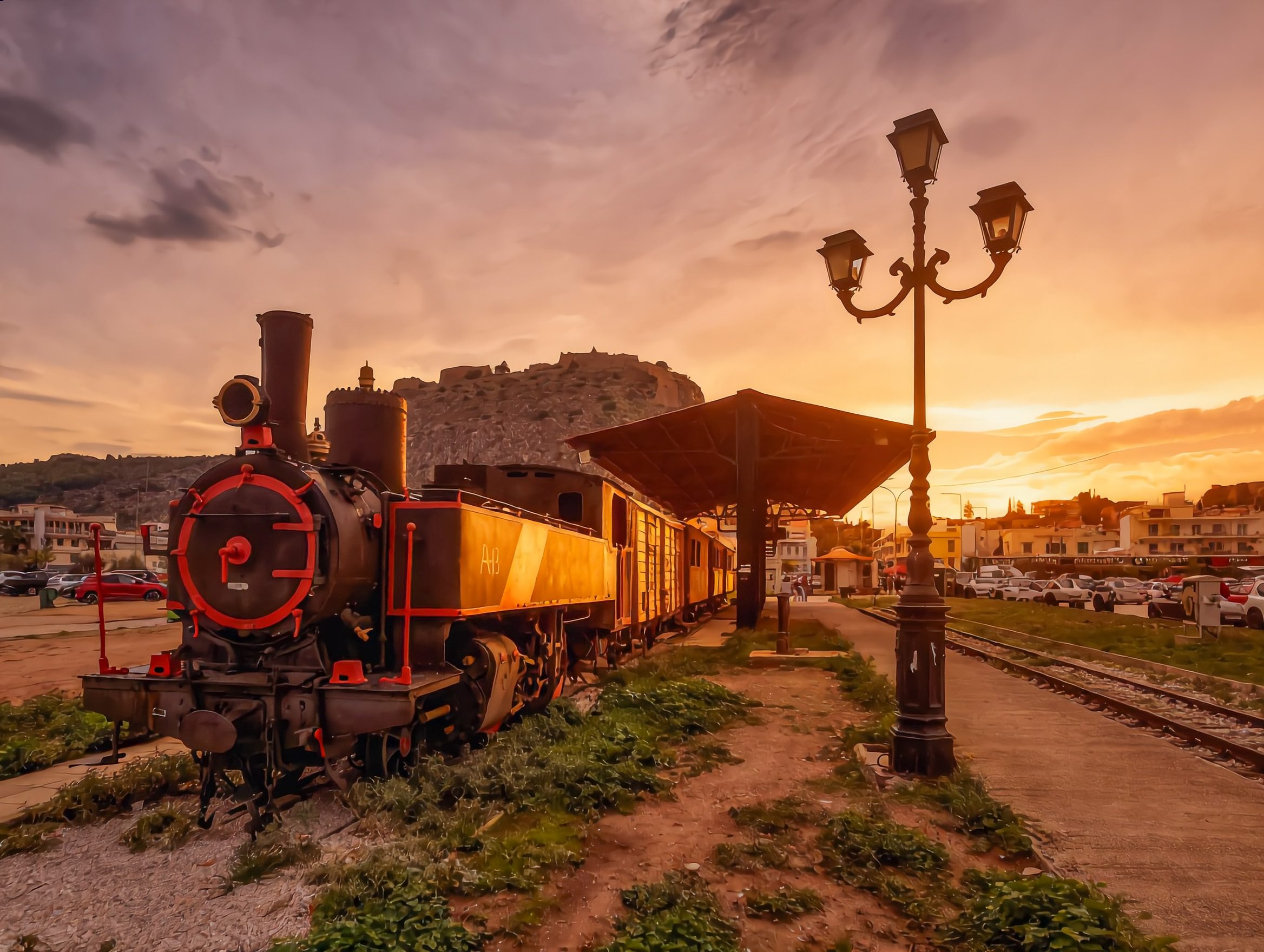
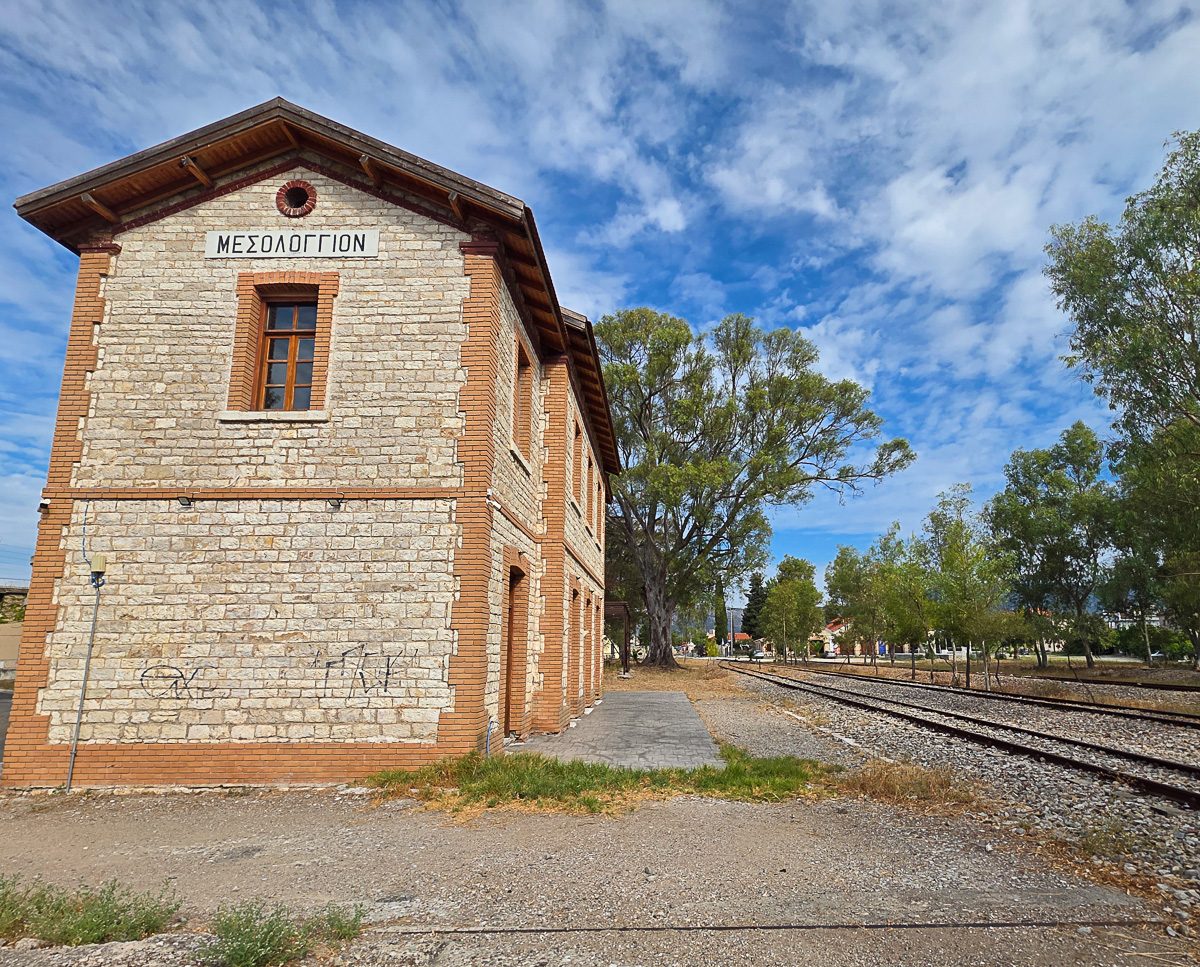
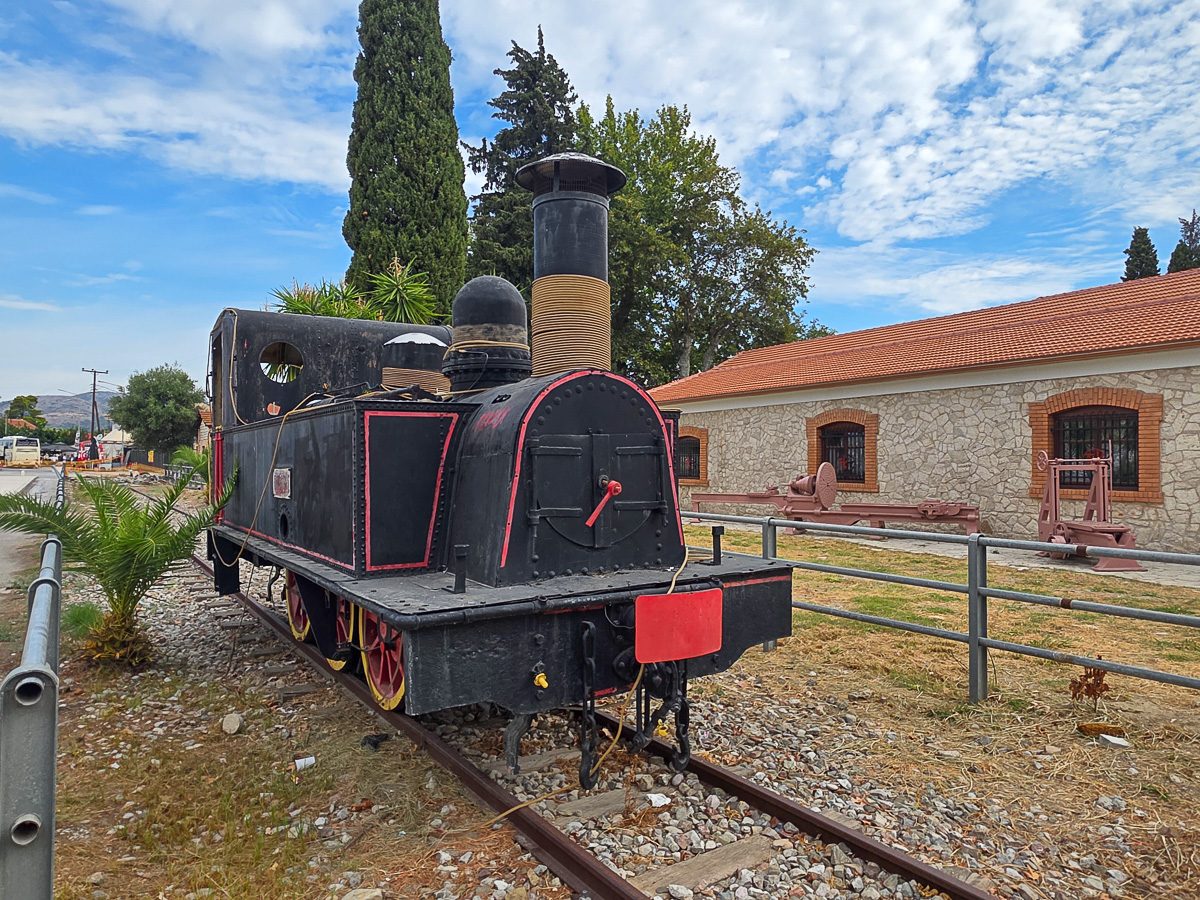
Close to the museum, still wandering, I spotted an old steam train sitting on an abandoned length of track near a station that clearly hadn’t served a passenger in decades. Now you know how fascinated I am by Greece’s public transport systems, even those that remain largely defunct.
Messolonghi once sat on the Kryoneri-Agrinio line, opened in 1890, part of a wider metre-gauge network through western Greece. It closed in 1970, and stayed closed for over thirty years until 2002, when an EU-funded attempt began to rebuild it along the same route. The infrastructure was nearly finished by 2004. Then the project was abandoned, funding gone, rolling stock withdrawn, the newly rebuilt track left to deteriorate without maintenance.
A local campaign group, has pushed for years to get it reopened, and more recently there’s been fresh movement, talks between the Greek and Swiss governments about reviving old metre-gauge lines elsewhere in the country which have raised hopes this one might eventually follow through. Wouldn’t that be amazing.
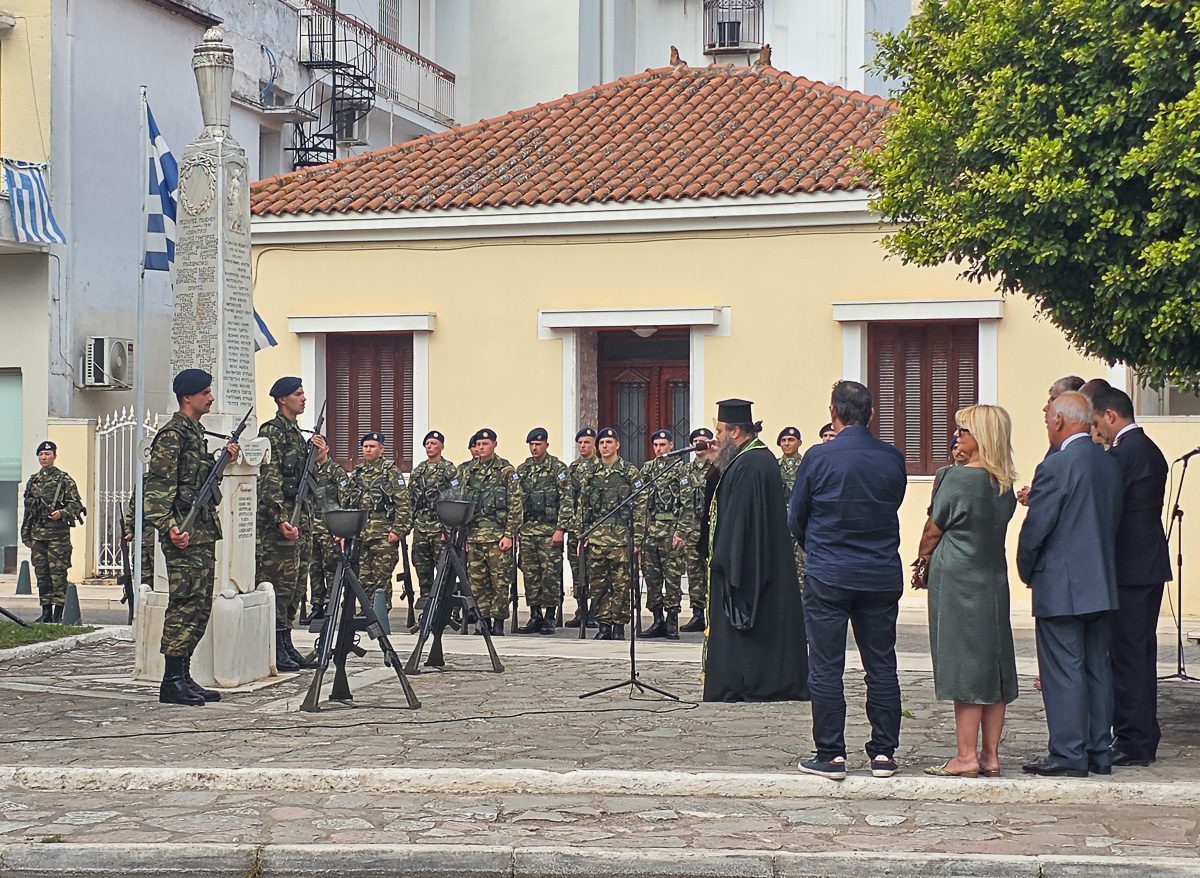
One reason why random walking pays off is the interesting things you accidentally stumble acrosss. After leaving the Trikoupis Museum I spotted a group of people partway through a service at the town’s war memorial. Locally known as the triangle, soldiers from across the different services, distinguishable by their uniforms, standing at attention, a priest conducting a short service, various local dignitaries gathered close by, wreaths laid at its base. It turned out to be part of a national day of remembrance for the genocide of the Greeks of Asia Minor, marked that Sunday with a service at the cathedral followed by the wreath-laying. Another layer of memory the town seems to carry.
A military presence isn’t just observed on special occasions such as this. Having a room that overlooked the central square meant I had a front-row seat for the daily lowering and raising of the flag by soldiers in the square below, piped music giving me fair warning of what was about to happen – each time compelling me to leap to the balcony. This isn’t just a local ritual. I noticed how during the playing of the national anthem, people would stop what they were doing and observe the ceremony. It still carries real weight here.
Messolonghi is home to the Spyros Moustaklis army camp, base of the 2/39 Evzones Regiment and the national recruit training centre, which explains the number of young men hanging out in coffee bars with their friends when not on duty. There’s a look, you know they’re soldiers.
Soldiers, students, café culture, a garden full of the dead and a town that still turns out for its own history, that’s Messolonghi in a nutshell, what I could see of it in two days anyway. It’s a vibrant, youthful town with deep historical roots that gives it the name of the Holy City. A place I could have stayed for much longer quite comfortably. Great connections to other places, including the next destination I have my sights set on. Another bus journey and another short one.
Discover more from
Subscribe to get the latest posts sent to your email.
MY BIG FAT GREEK TRAVEL SURVEY
How do you really plan your Greek adventures? I'd love to hear from you.
TAKE THE SURVEY →