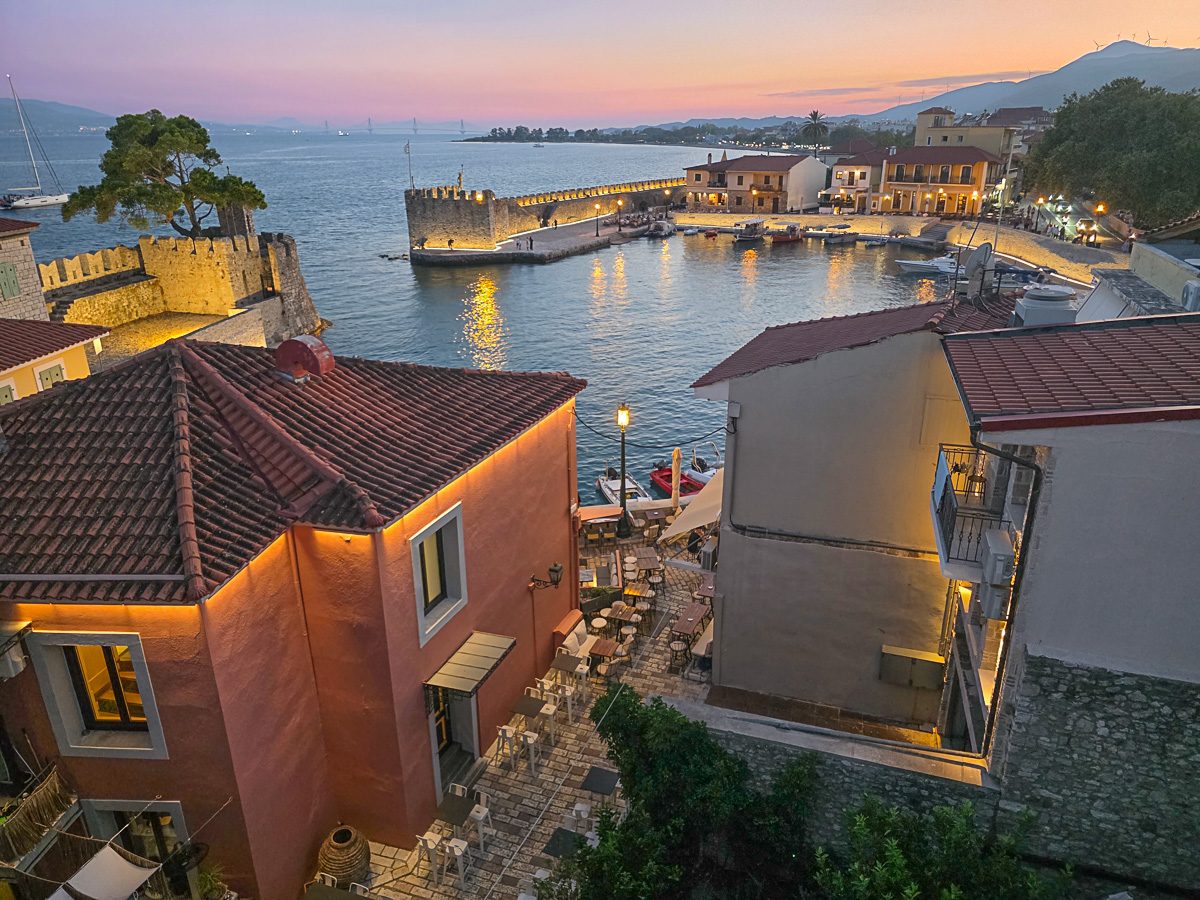

Aitoliko: the Little Venice of Greece and the History and Legacy of a Lagoon
Aitoliko is just 14 kilometres from Messolonghi and a KTEL Aitoloakarnanias had a direct bus to get me there all at the cost of 2.20€.
The coastal road from Messolonghi to Aitoliko took me past the Hellenic Saltworks and huge mountains of the stuff – far more industrialised than what I’d seen on Tourlida. Although production is eight times greater than that of Tourlida, the quality of salt is far purer here, including the production of the precious afrina.

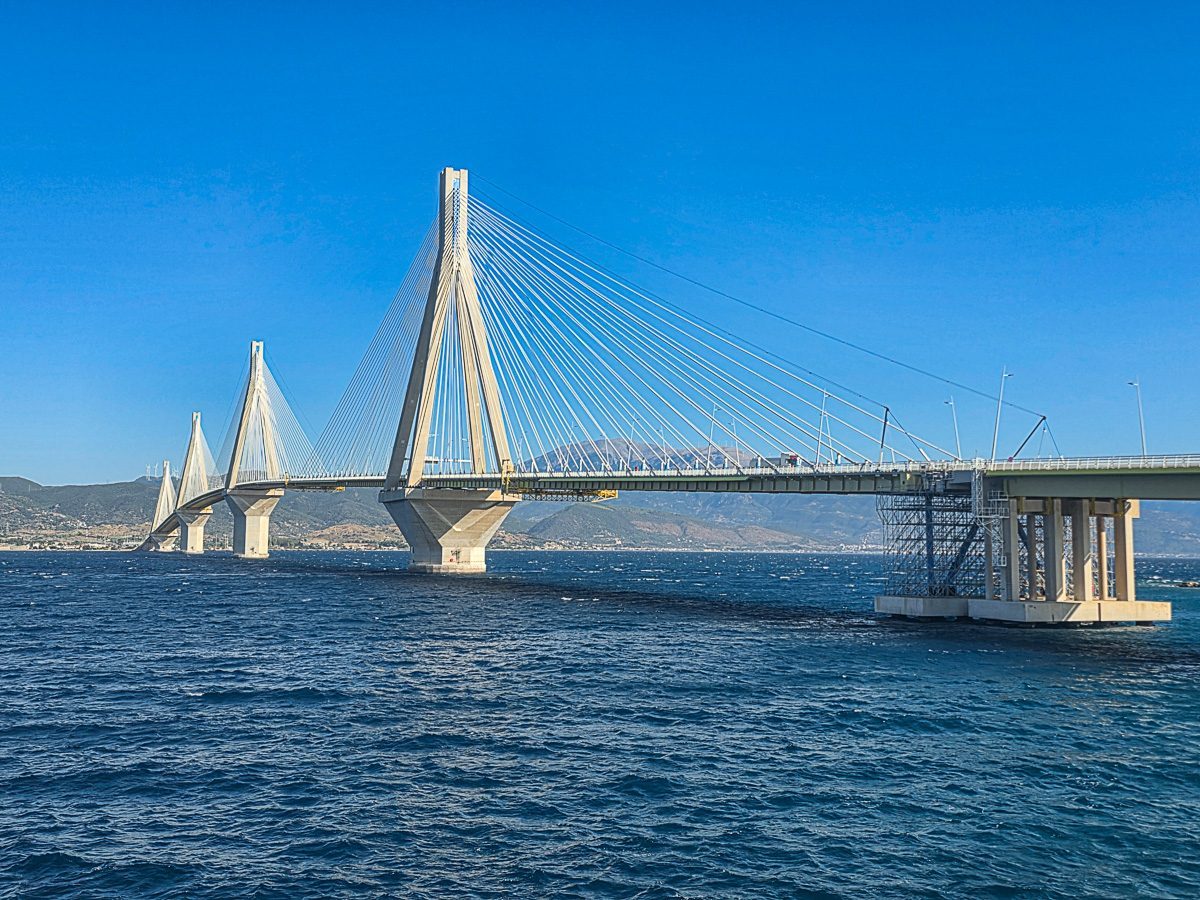
Aitoliko, similar to Tourlida, is an island joined to the mainland by a manmade bridge, but not with one, but two. Fifteen minutes was all it took to get there. Once over the first bridge, the bus pulled into the small bus station before continuing around the perimeter road and over the opposite bridge and beyond. My first impression was that the island is just a thoroughfare and its purpose is to create a shortcut onto another part of the mainland. It doesn’t seem that many people make a point of visiting it for the sake of it or even more so stay for a couple of days – but I could be wrong. I was about to find out.
It felt totally different to Tourlida which with its two eateries, one accommodation, the pelades and a museum felt open with space around you to feel connected to the very fabric of nature. Aitoliko is more densely populated, with rows of streets crisscrossing each other and fairly self-sufficient in terms of shops. Although only .3km square, it feels like a real working town.
Distance is sometimes difficult to judge on a map. My accommodation was located close to the opposite bridge but I was able to walk from one end to the other in no time at all.
Finding accommodation on the island had been a bit of a challenge as nothing had materialised on Booking.com. Digging around on the internet, I could see that there was one hotel and a couple of Airbnb’s which I try to avoid if possible. After tracking down the contact details for the Alexandra Hotel (promoting itself as the ‘only’ hotel on the island), I sent an email and followed up with a phone call. To be honest, it took several phone calls to get a firm response but I’m glad I persevered, especially as my arrival date was just a few days away. Two nights at Hotel Alexandra was confirmed in an email from Nicki, who was waiting for me when I arrived.
My room was bright and spacious, felt newly refurbished and had views over the lagoon. The hotel has its own cafe on the ground floor, with tables and chairs on the pavement and across the narrow street on a long promenade overlooking the lagoon. At 50€ per night plus tax, it was a very good choice.


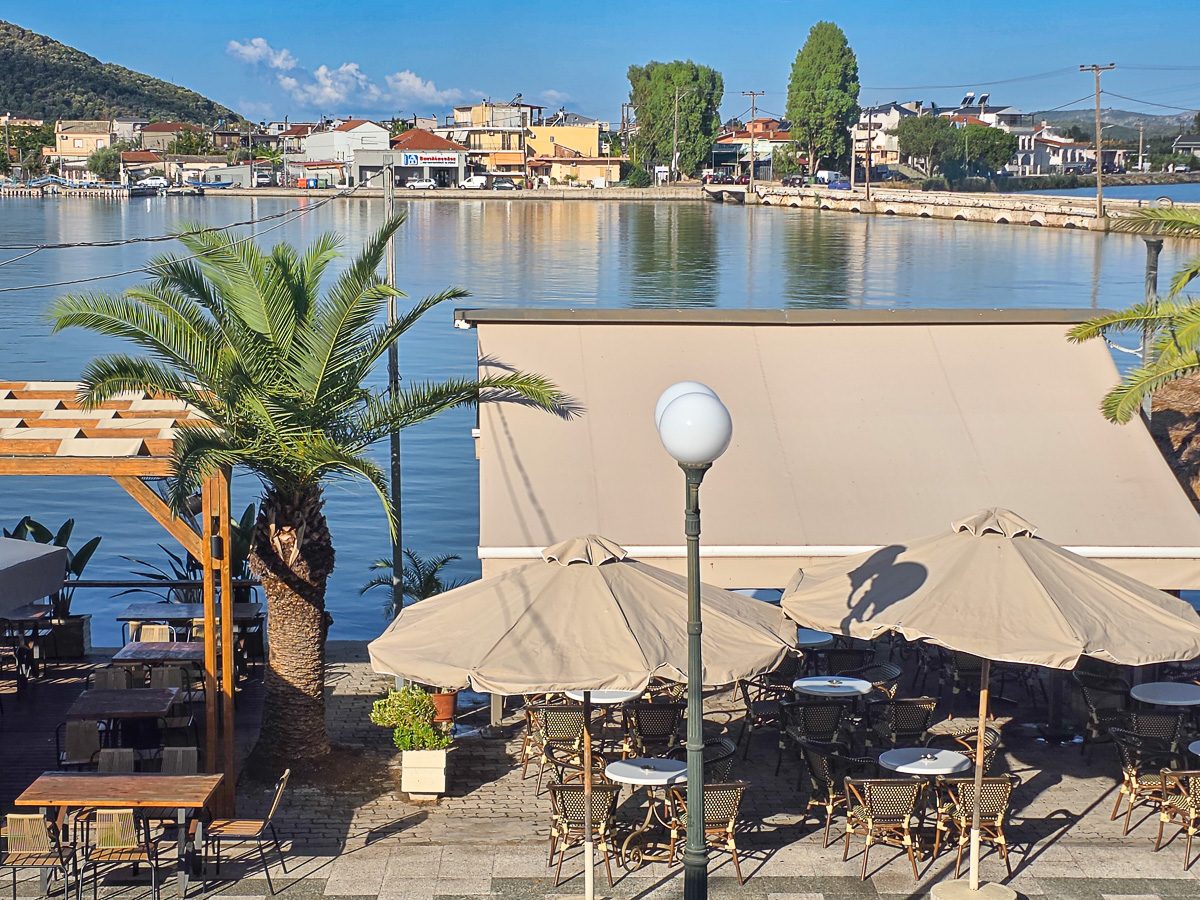

Aitoliko’s Beginnings
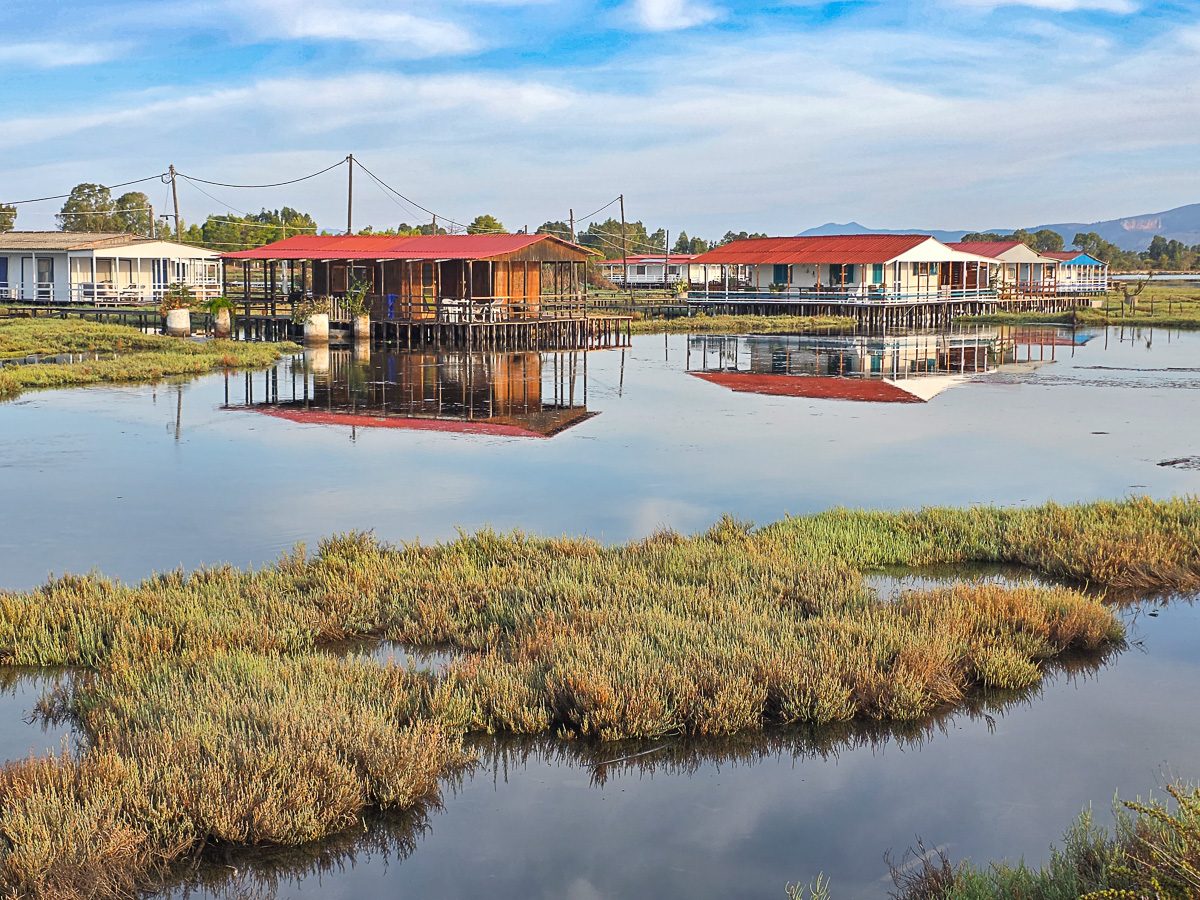
Aitoliko started life as four or five scraps of islet scattered in the lagoon, barely above the waterline, regularly swamped in winter. Fishermen strung wooden footbridges between them, enough to cross without a boat, earning it the name Little Venice. Continuous land reclamation gradually fused the islets into the one irregular landmass there today, the last major infill carried out by the state as recently as 1969.
Aitoliko was still a single, loosely joined landmass, continuing to expand for generations afterwards, when the town joined the uprising against Ottoman rule on the 21st of May 1821, a day after Messolonghi, led by the armatolos Dimitris Makris. Its own siege followed that September, seventy days of it, with only 500 fighters and residents holding out against a Turkish-Albanian force that had turned away from Messolonghi’s better-defended 3,500. The Greeks broke the siege on the 17th of November, at a cost of 150 dead, including their own captain, Zygouris Tzavelas, which left the road to Messolonghi open. Mustai Pasha pressed on there next, besieging the city itself from October 1823 into January 1824, before being driven off with help from the Greek fleet.
Once free of Ottoman rule, the town replaced its wooden footbridges with stone, work beginning in 1836 but dragging on until 1848 after funding problems stalled it. The two bridges, east and west, each run around 300 metres, eight metres wide.
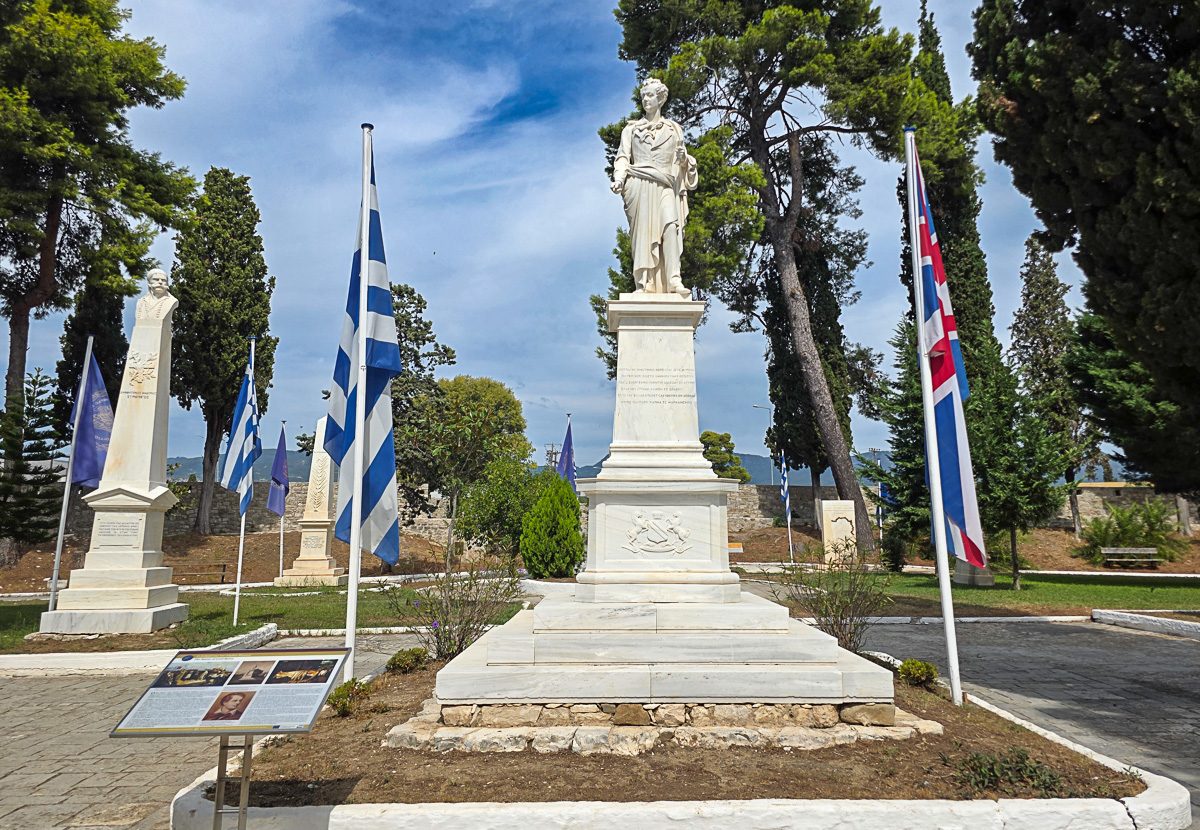
Several notable war heroes are tied to Aitoliko: Georgios Karaiskakis, tried for treason here in 1824 before going on to command the Greek forces; General Grigorios Liakatas, whose bust stands at the town’s entrance, killed defending the lagoon islet of Dolma in 1826 alongside most of his own family; and, in one of the murals painted along the street, Athanasios Diakos, a monk turned commander executed by impalement in Lamia in April 1821, remembered as one of the first martyrs of the Revolution.

Kyra Vasiliki
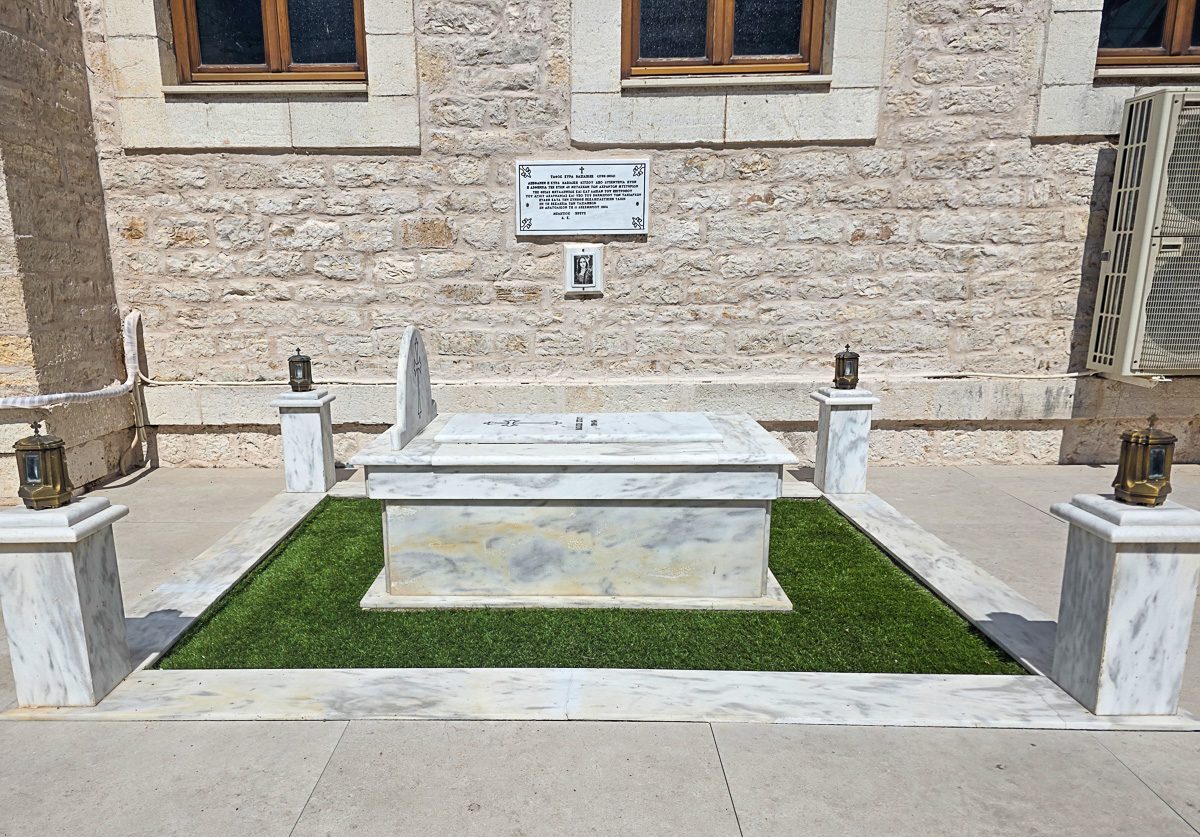
I hadn’t really had a chance to read up much about Aitoliko before arriving. I don’t tend to research a place to the nth degree anyway, preferring to discover it through my own eyes. There was, however, one place that was going to be my first port of call. The Church of Taxiarchis (Archangels) and the tomb of Kyra Vasiliki, last wife and companion of the infamous Ali Pasha.
The life of Ali Pasha reads like an epic tale of power, intrigue and brutality, with, depending on which version of history you believe, a little heroism mixed in. He wasn’t short of blood on his hands. In 1801, Kyra Frosyni, said to have rebuffed both his son and the Pasha himself, was drowned in Lake Pamvotida along with sixteen other women, one of the most enduring and contested stories attached to his rule. At the same time, his long reign saw roads, public buildings and infrastructure spread across his territories, and Ioannina grow into a genuine centre of commerce and intellectual life. A complicated character, and not one I’ll try to unravel here. I already attempted that in one of my Ioannina posts.
This isn’t really about Ali Pasha, though. It’s about the woman who became part of his story, not merely a character in someone else’s legend but a real woman who lived through an extraordinary period of Greek and Ottoman history.
Kyra Vasiliki was born Vasiliki Kontaxi in 1789, in the village of Filiates in Thesprotia. Some accounts say she was taken into Ali Pasha’s harem as young as twelve, after her family was captured. She became his favourite, and in 1808 he married her, over the strong objections of his first wife, Emine. Unusually, she never converted to Islam, Ali let her keep her Christian faith and even had a chapel built within the harem itself, with a priest in regular attendance. She used her position to protect and rescue Christians where she could, and remained his final companion right through to his downfall and death in 1822.
She spent her final years in Katochi, a village to the north-west of Aitoliko, given land and a medieval tower there in 1830 after the Greek state was established. The tower, known as the Koulia, still stands. But it was Aitoliko that witnessed her death.
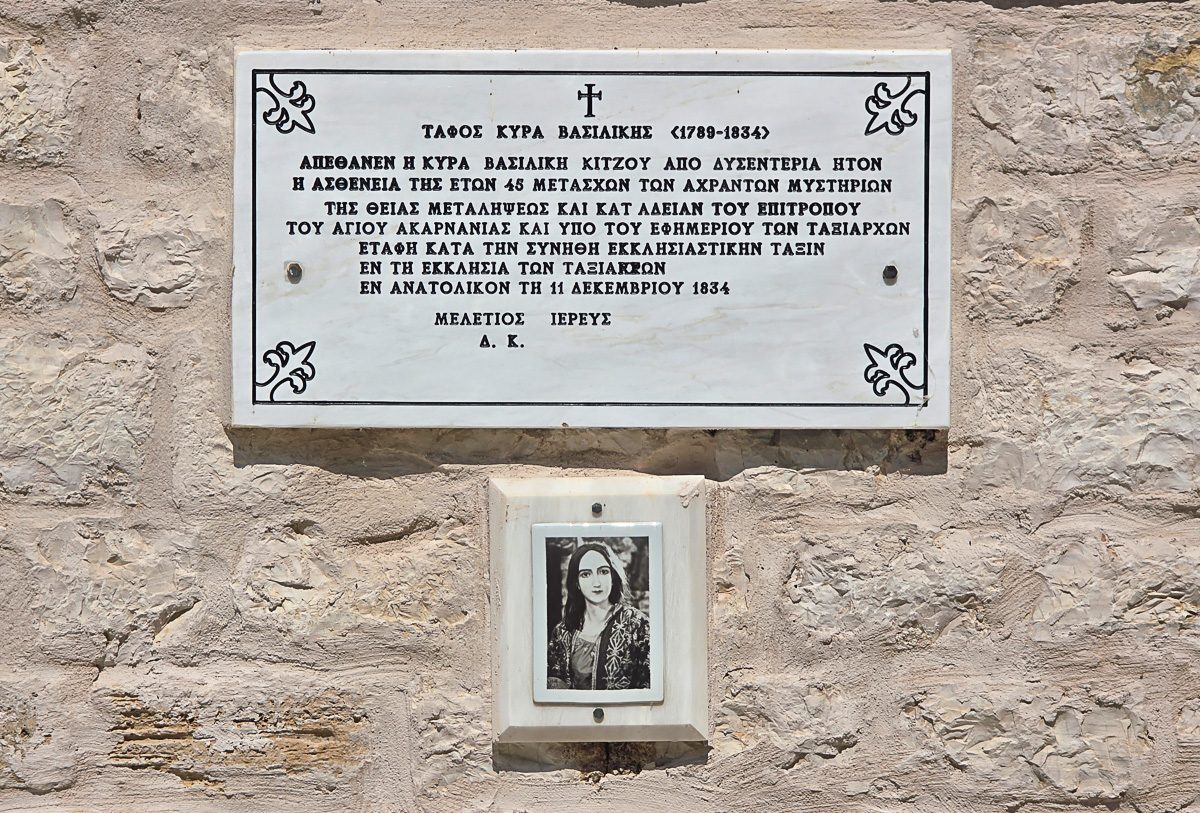
Her grave is marked by a rather business-like marble plaque, the language of a contemporary church record: Kyra Vasiliki Kitsou had died of dysentery, received Holy Communion, and been buried according to the customary rites, with the appropriate permission. It ends simply, with the place and date: “In Aitoliko, 11 December 1834.”
At the time of writing the blog post below, I didn’t know what became of Kyra Vasiliki. Now I do.
Discovering the Treasures of Ioannina’s Island Blog Post
Lagoon Life on Aitoliko
Since the landfill project in 1969, Aitoliko has a landmass measuring .3 square kilometres. Despite its small size, there’s a lot packed into this island. It boasts a huge school attended by children from the mainland, a good array of shops, bakeries, tavernas and cafes and is even home to the Vaso Katraki Engravings Museum – but more on that later.
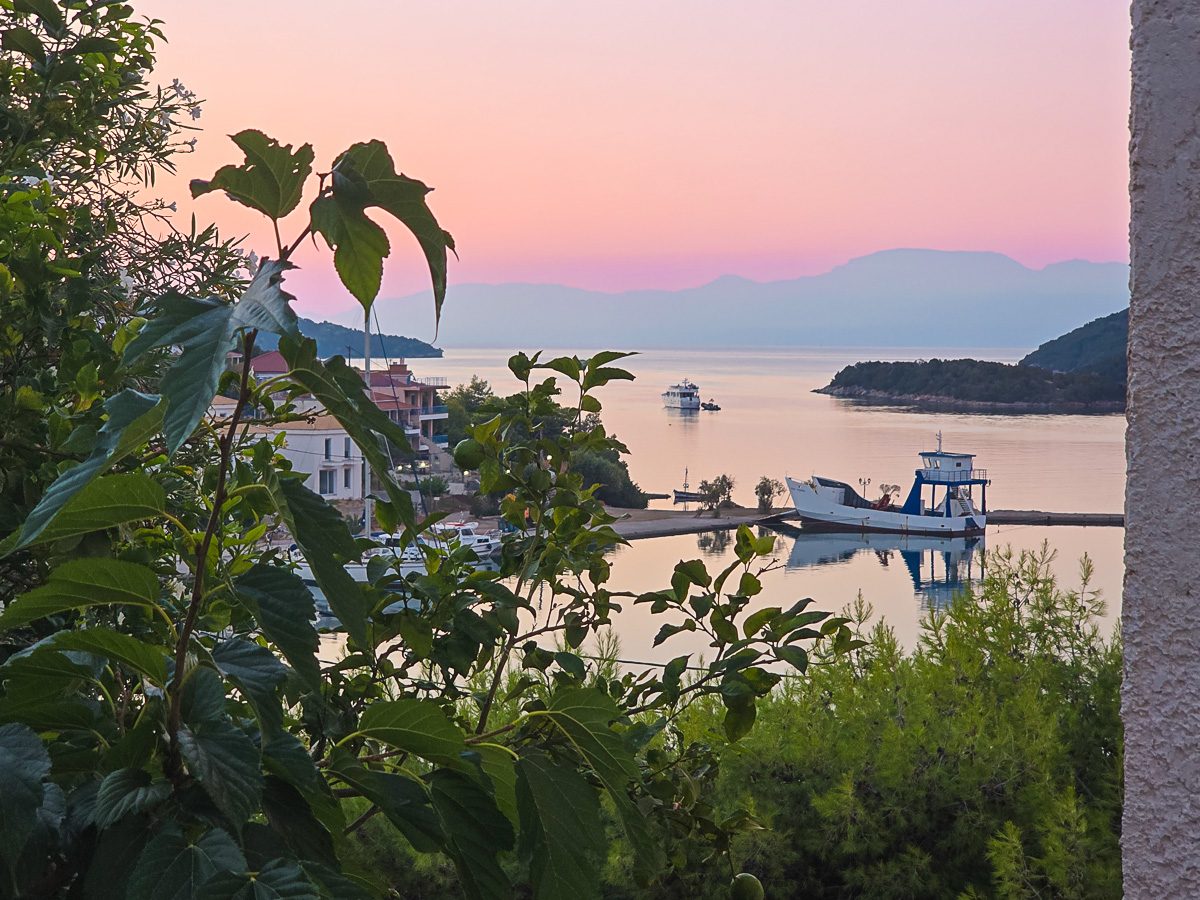
I was curious to see how long it would take to walk its circumference, so I did it, and including photo stops it took around 30 minutes. In the evening, many of the locals can be seen jogging, power walking, and even just promenading. Very special if the sunset decides to make a worthwhile display, which it did. The local priest also came out to do a spot of fishing one evening.

The interesting thing about Aitoliko’s lagoon is that, unlike Massolonghi and Tourlida, the water is very deep, sometimes as deep as 28 metres, created by a seismic event in the distant past. This makes it the perfect breeding territory for fish, and in particular goby, small, bottom-dwelling fish particular to this lagoon. Alongside it, the usual range of sea bass, sea bream, several types of grey mullet, eel, sand smelt, sardine-type anchovy, crabs, shrimp, and a scattering of smaller species like gudgeon and sand goby. The mullet matters most commercially as it’s what produces avgotaracho, the lagoon’s famous cured roe.
The lagoon also supports seahorses, described in one source as a “significant colony,” and loggerhead turtles turn up there too, which is unusual for an inland lagoon.
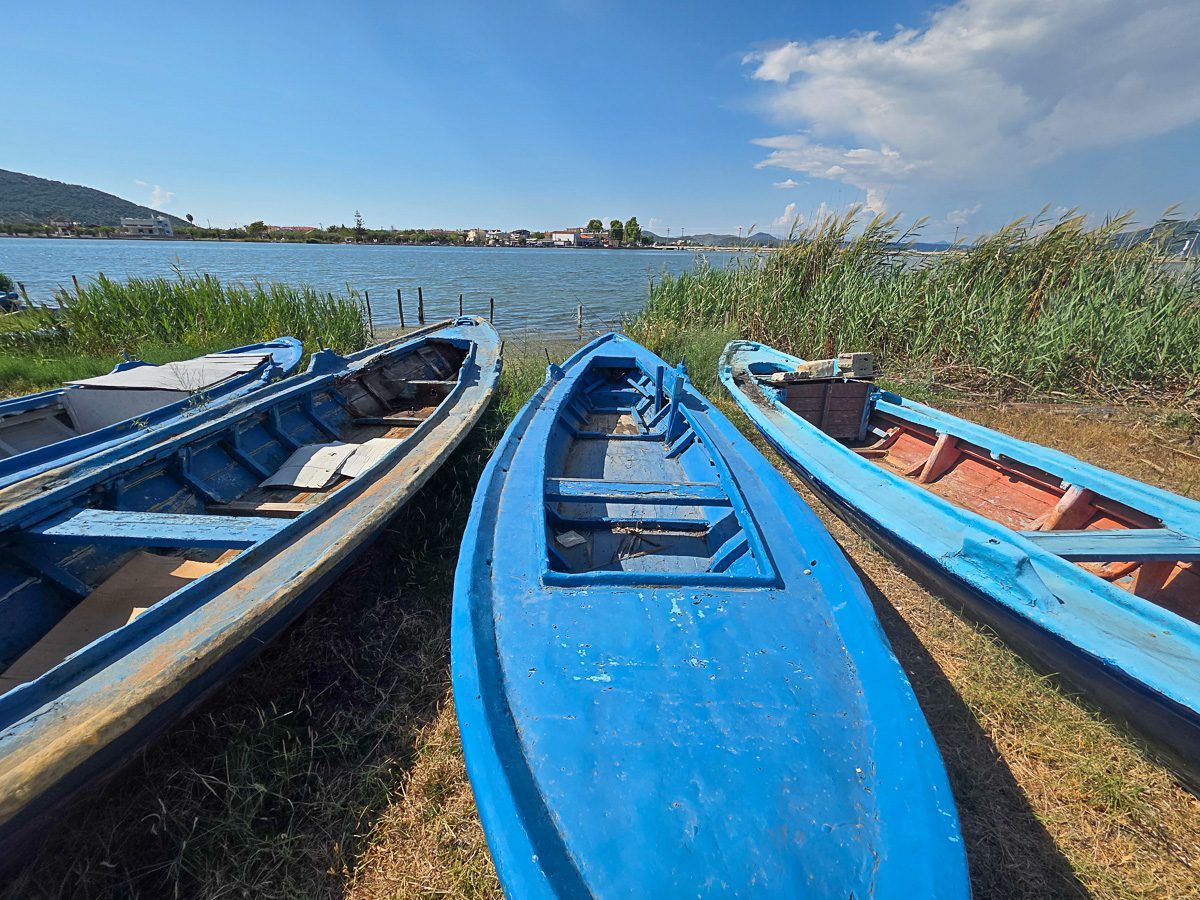
One evening whilst sitting in the hotel’s cafe alongside the water’s edge, several small boats appeared in the lagoon. Well, it was pitch black, so I couldn’t see the boats as such except for a torch or lamp held by the fisherman. This is a traditional type of fishing called pyrofani, practised in the shallower end of the lagoon at night. The boats moved slowly across the water using gentle movement of the oars, the light attracting and revealing the fish clearly. Once the lamp picks out a fish in the shallow water, the fisherman strikes it directly with the spear called a kamaki, judging the refraction of the light through the water to aim accurately. It was too dark to see what was going on but fascinating nonetheless.
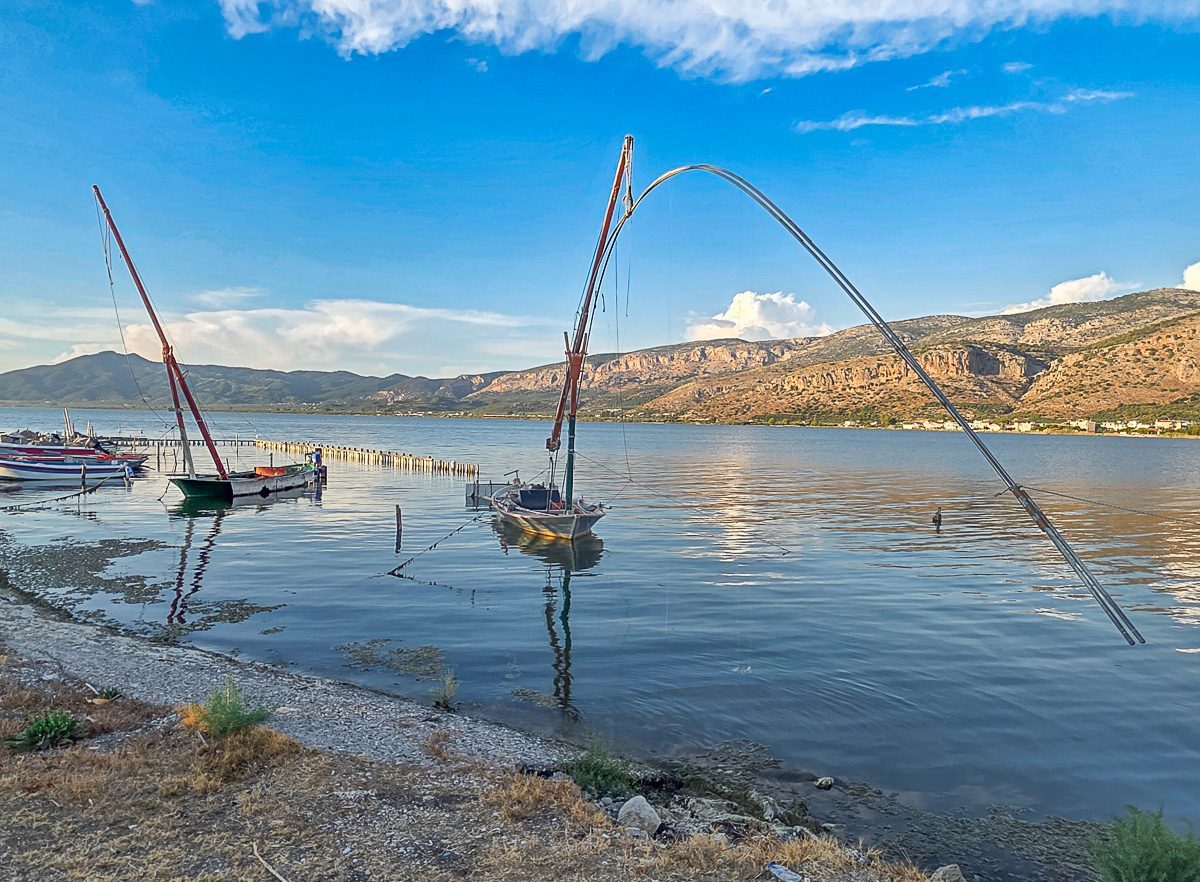
I’d been told that on Aitoliko they still use the stafnokari net-and-crane rig that I’d learned about on Tourlida. Although there were a couple of these boats moored by the first bridge, I didn’t see them being used. Maybe it is seasonal or maybe they are just an emblem to the island’s fishing history, but I’d really loved to have seen this in practice. The skill, strength and patience it takes to do this type of fishing is probably why it has declined.
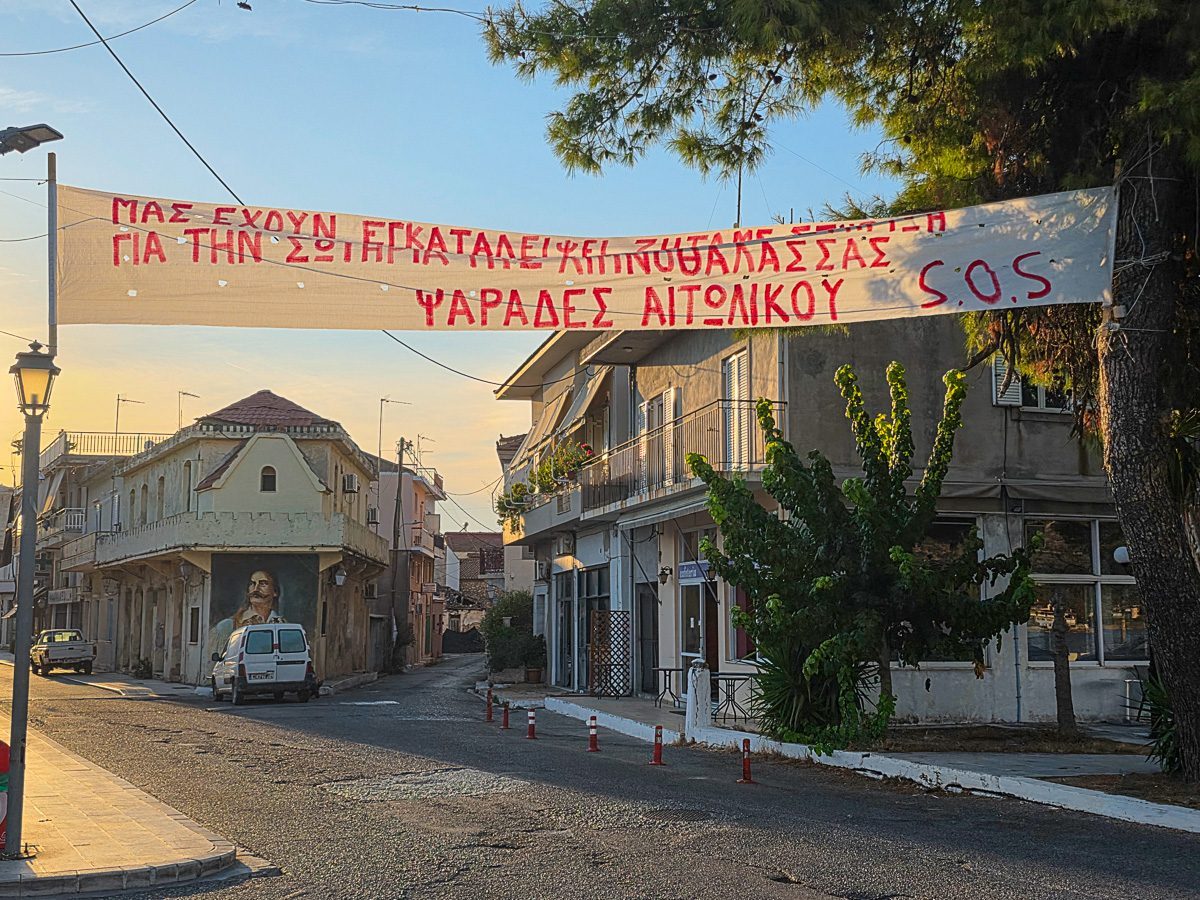
But fishing here isn’t easy money. The Aitoliko Lagoon has been suffering from falling fish stocks, pollution, and neglect by the authorities responsible for protecting the wetland, and this was apparent from a banner hanging over the entrance to the main road, a plea for help, an SOS from the fishermen pleading for action to save the lagoon.
Another interesting observation was along the promenade from the Alexandra Hotel, where I came across a complex of several large yellow buildings which I later found out was the school. I didn’t realise that the population was big enough for such a significant building but Nicki told me that children come from the mainland. This became apparent at set times of the day when the buses arrived to take them one way or the other over the bridge.
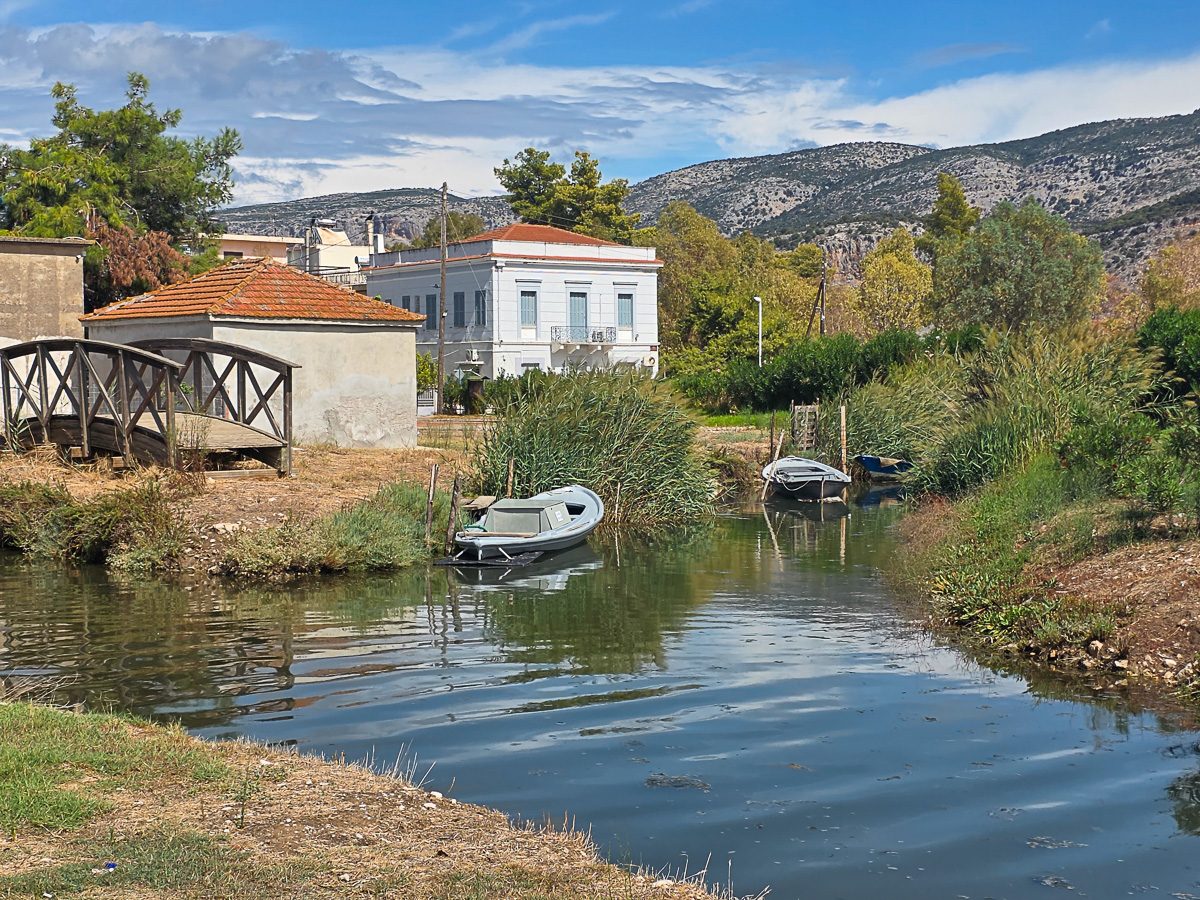
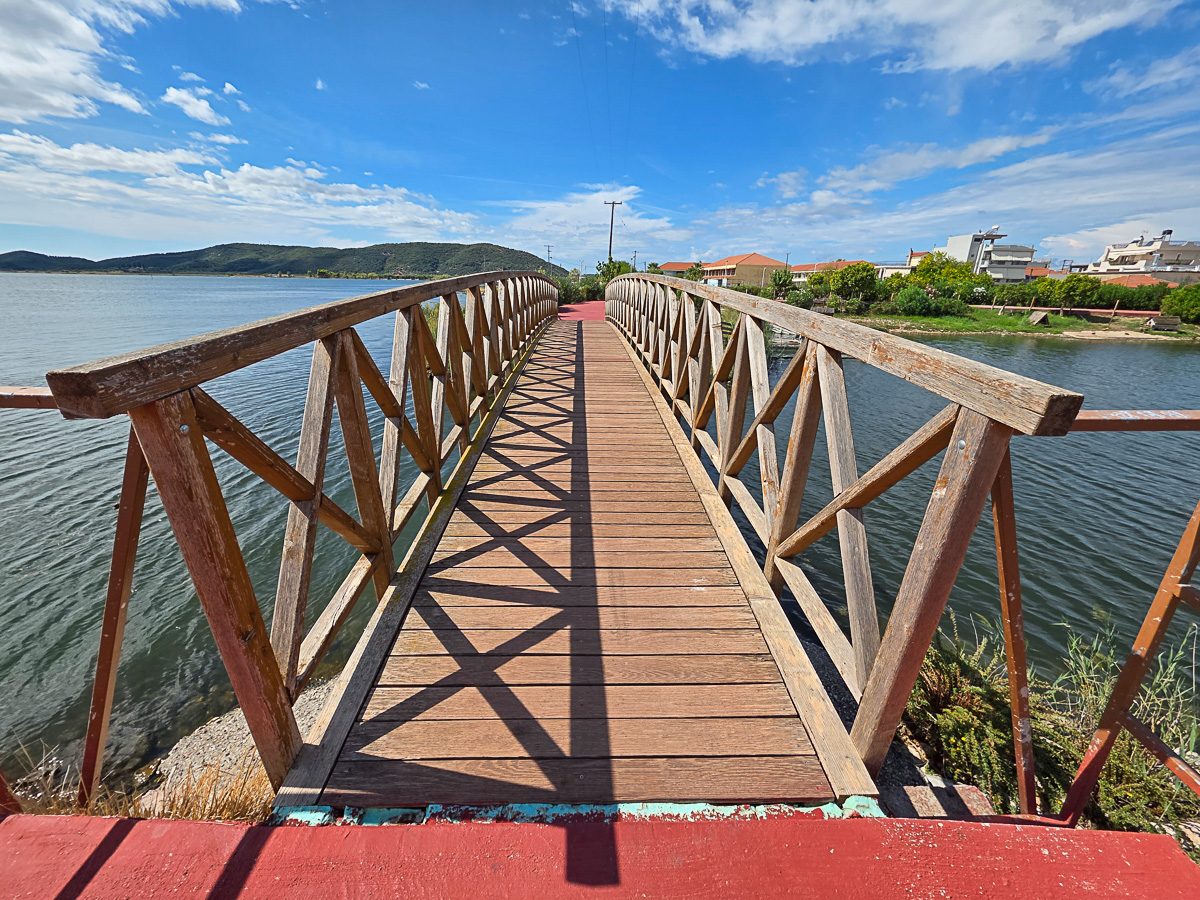
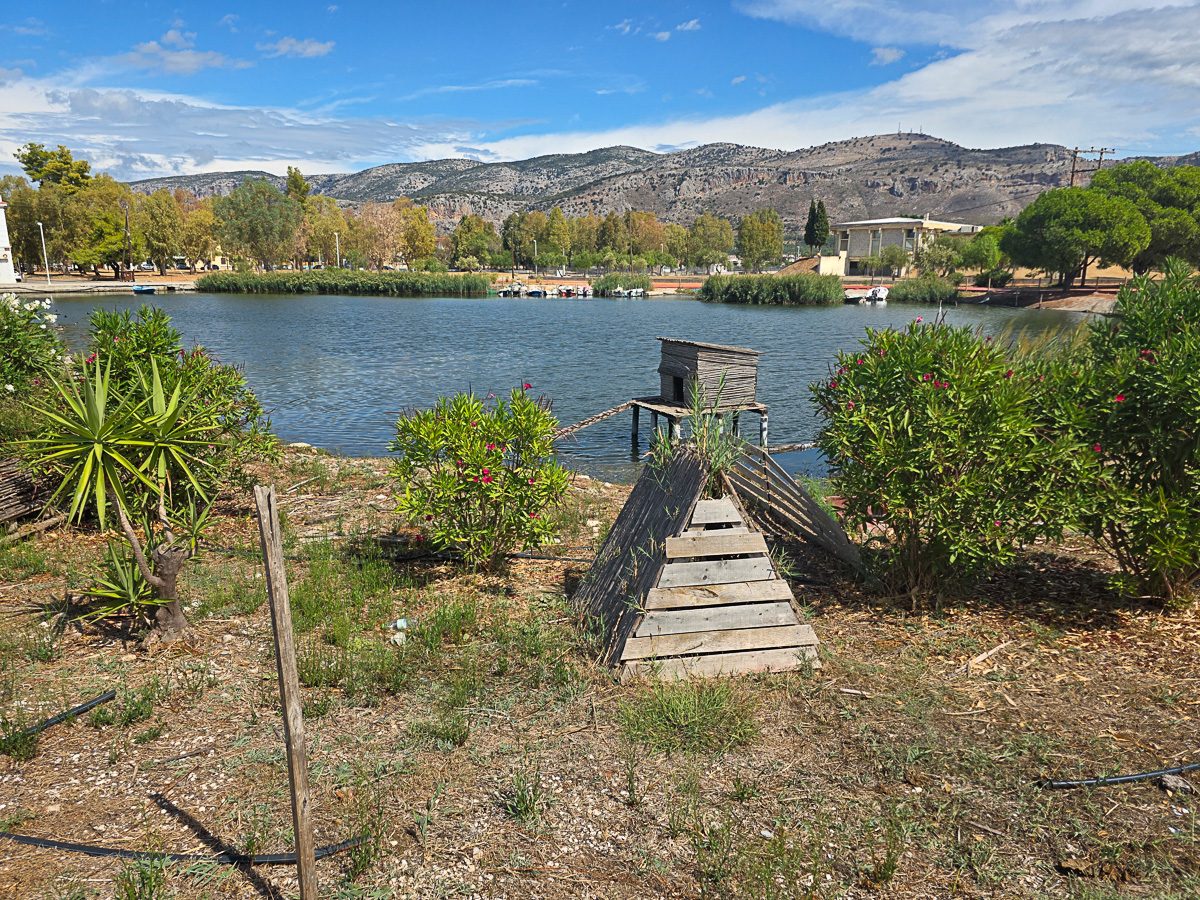
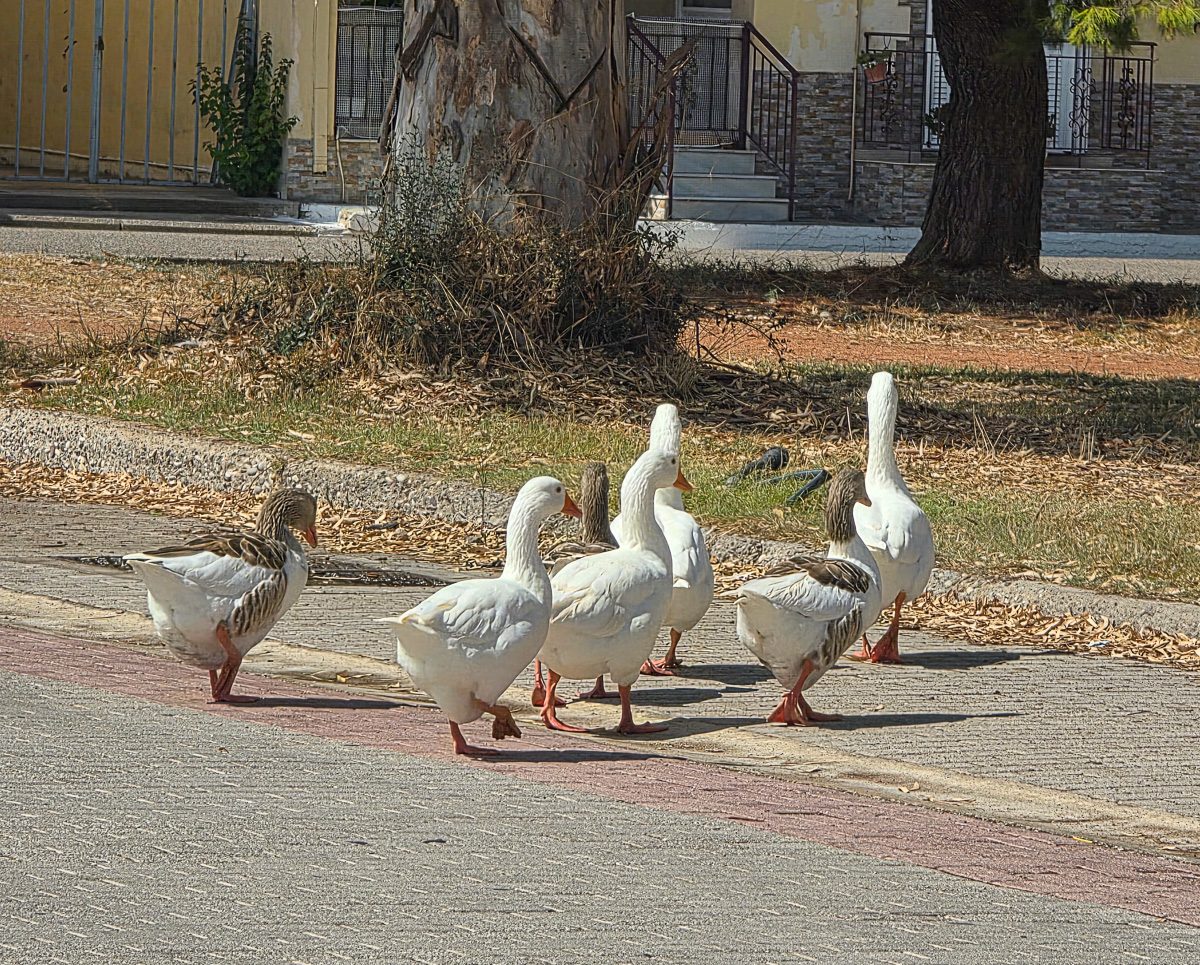
Further around the perimeter of the island is a small nature reserve called Λιμανάκι Αιτωλικού (Little Harbour of Aitoliko) connected by a series of wooden bridges. Maybe a small homage to the bridges that once connected the small islets before it became one. A channel feeds water into what you could call a micro-lagoon filled with ducks and geese. Wicker shelters offering protection and nesting sites and occasionally a posse of geese would head into town where nobody bats an eyelid.
Vaso Katraki Museum – Engraving & Printmaking Arts Centre
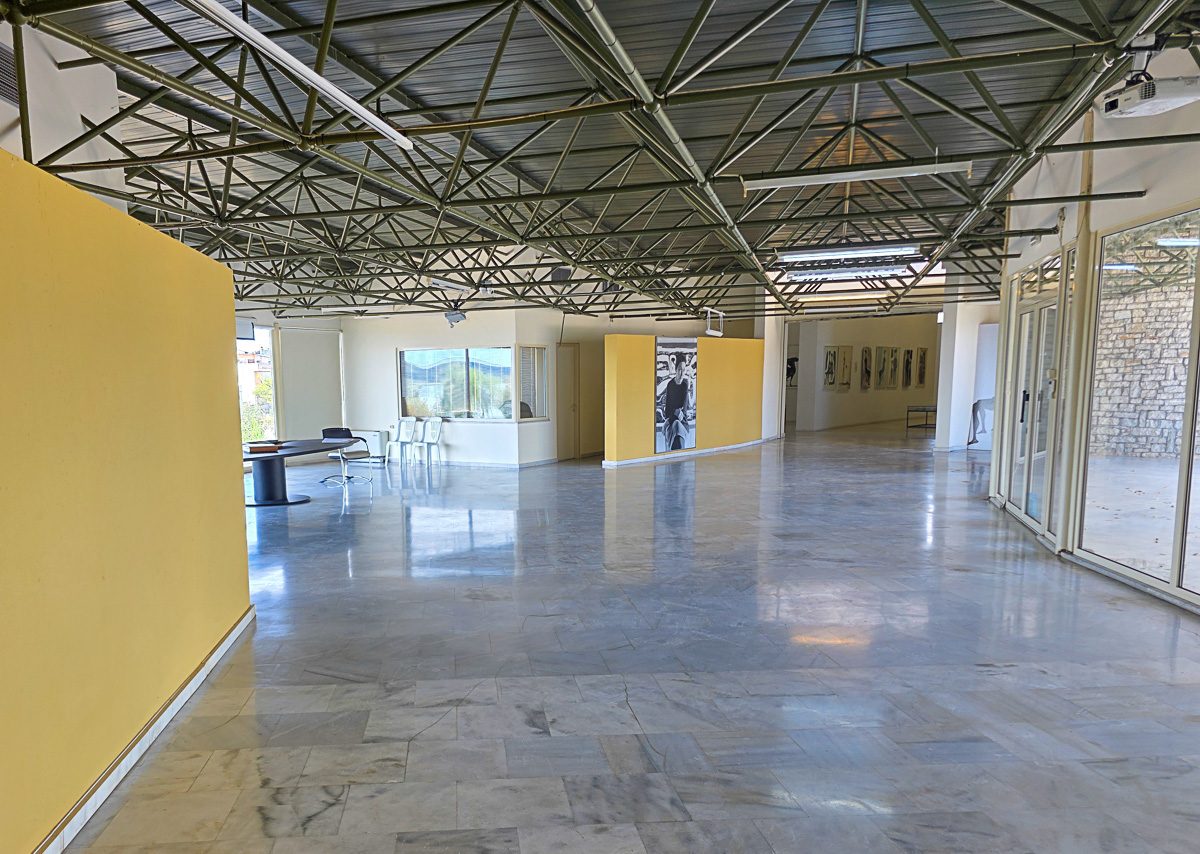
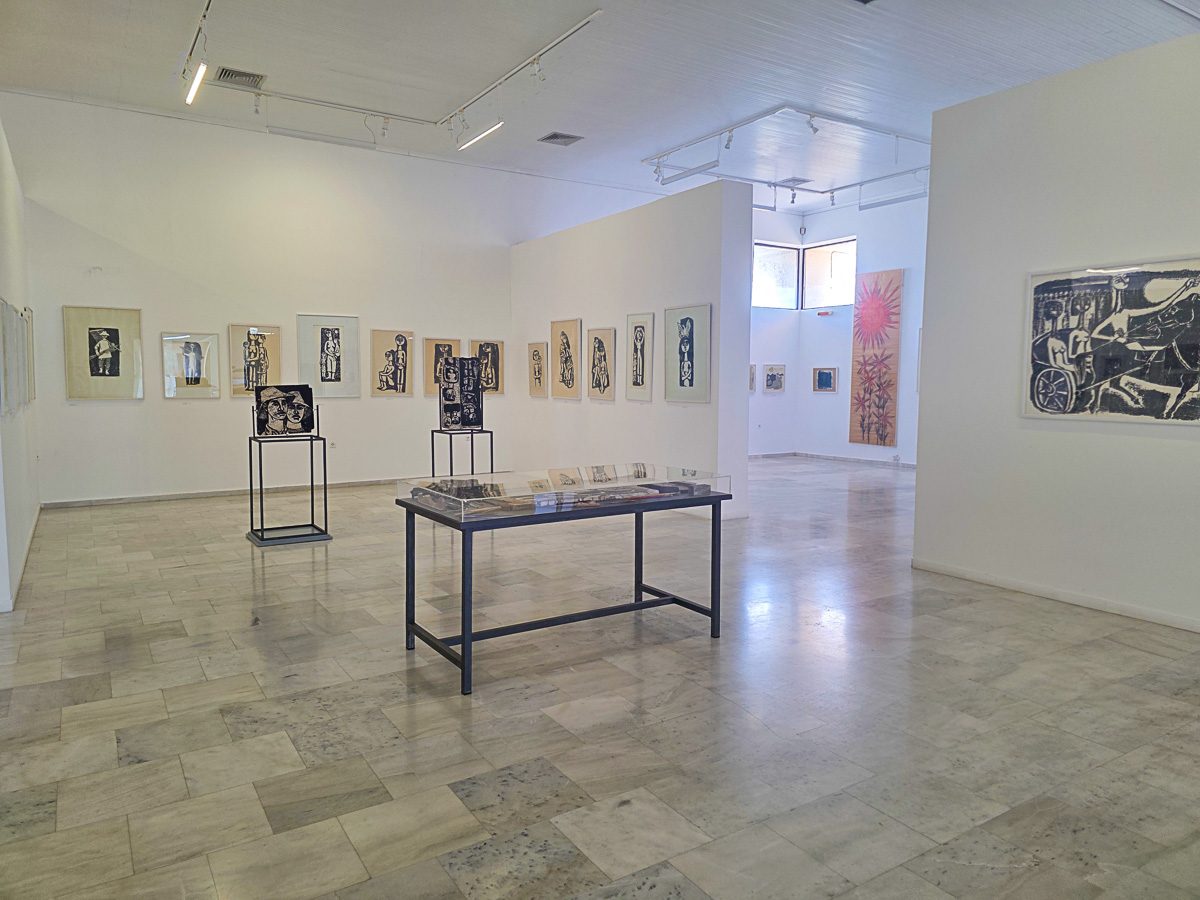
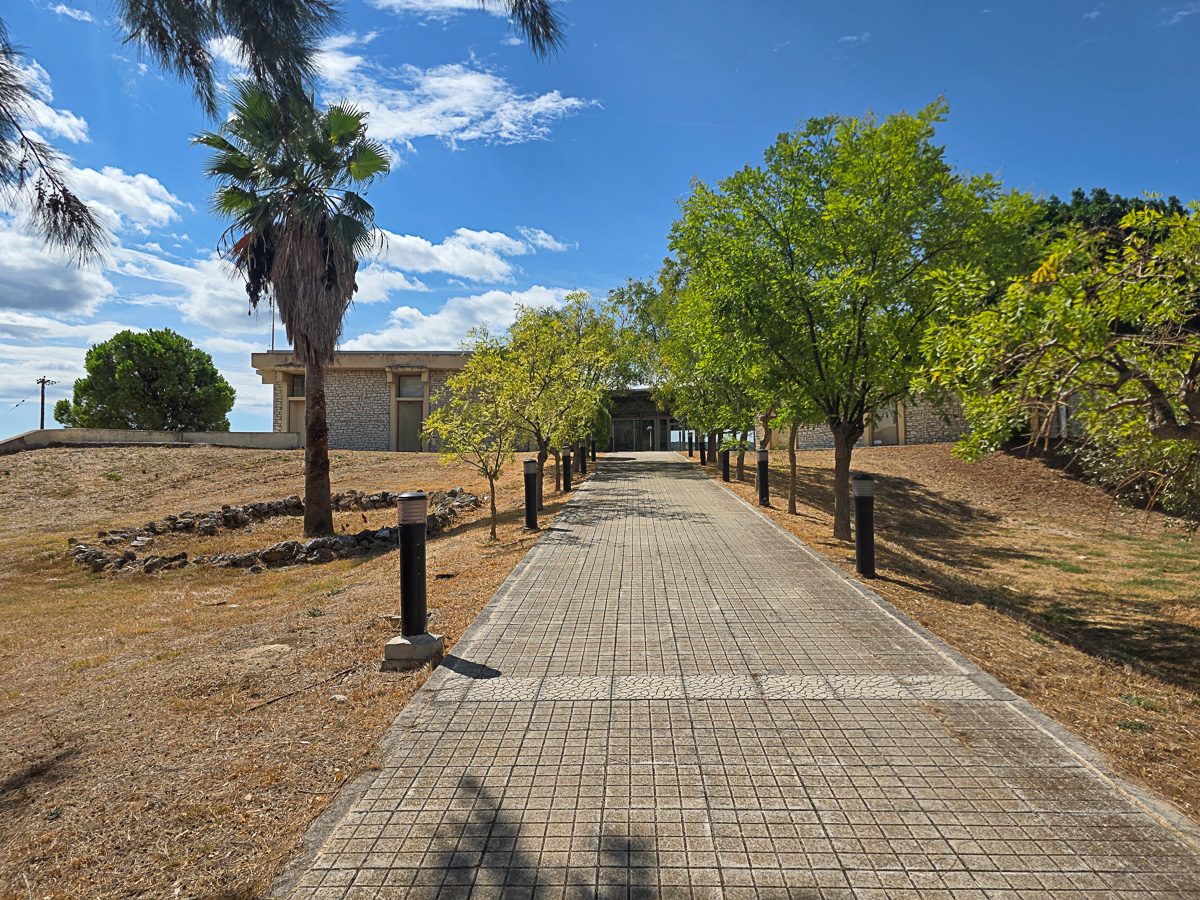
Just beyond this small nature reserve is the Vaso Katraki Museum – Engraving & Printmaking Arts Centre. To be honest, I wasn’t sure it would be open. It’s a sizeable building and I appear to be the only visitor on the island, but I thought I’d give it a go. I walked through the entrance where a man was sitting watching his phone. I asked if I needed a ticket and I got a direct “It’s free. You have thirty minutes”. That’s not a lot of time to see it all, but I’ll take thirty minutes rather than no minutes.
I’ll admit that I wasn’t familiar with the work of Vaso Katraki before visiting but I was very much taken with her style right away.
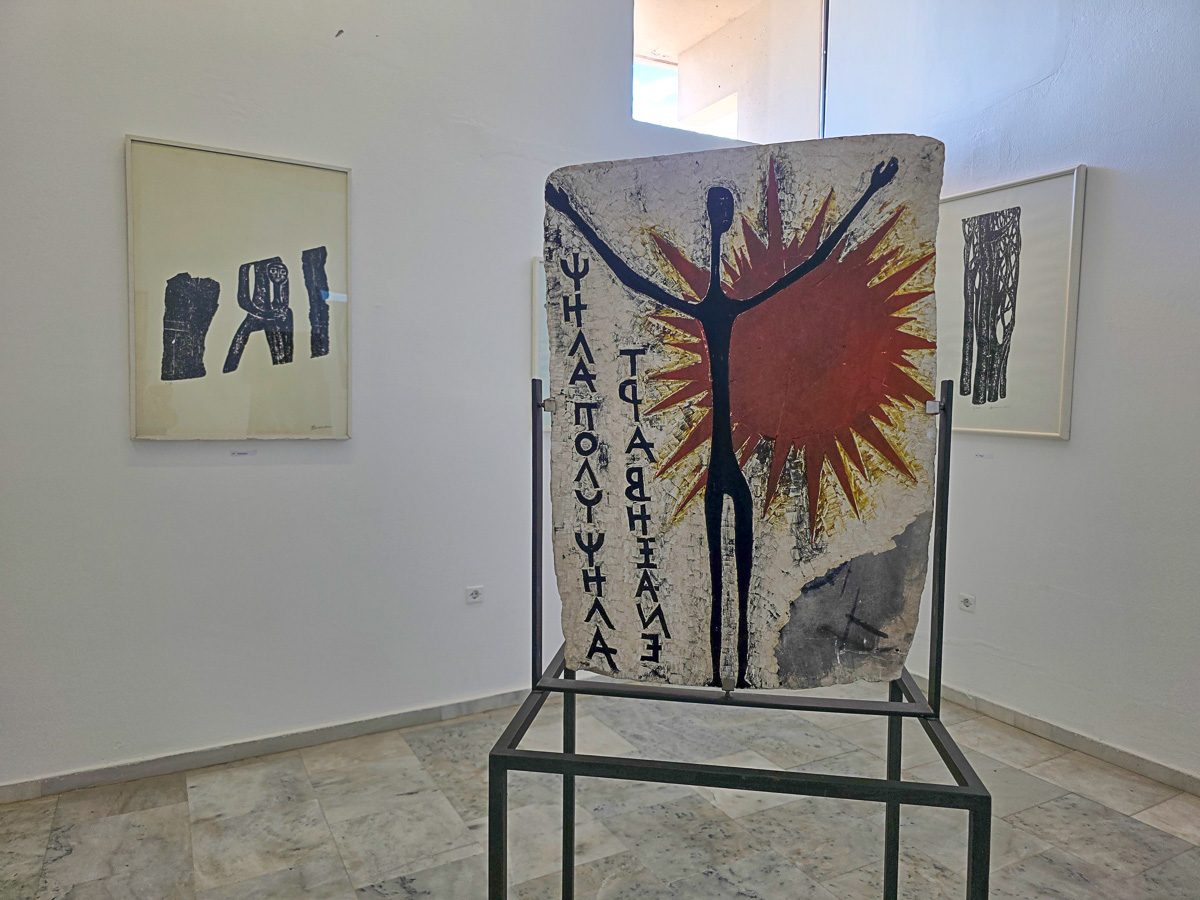
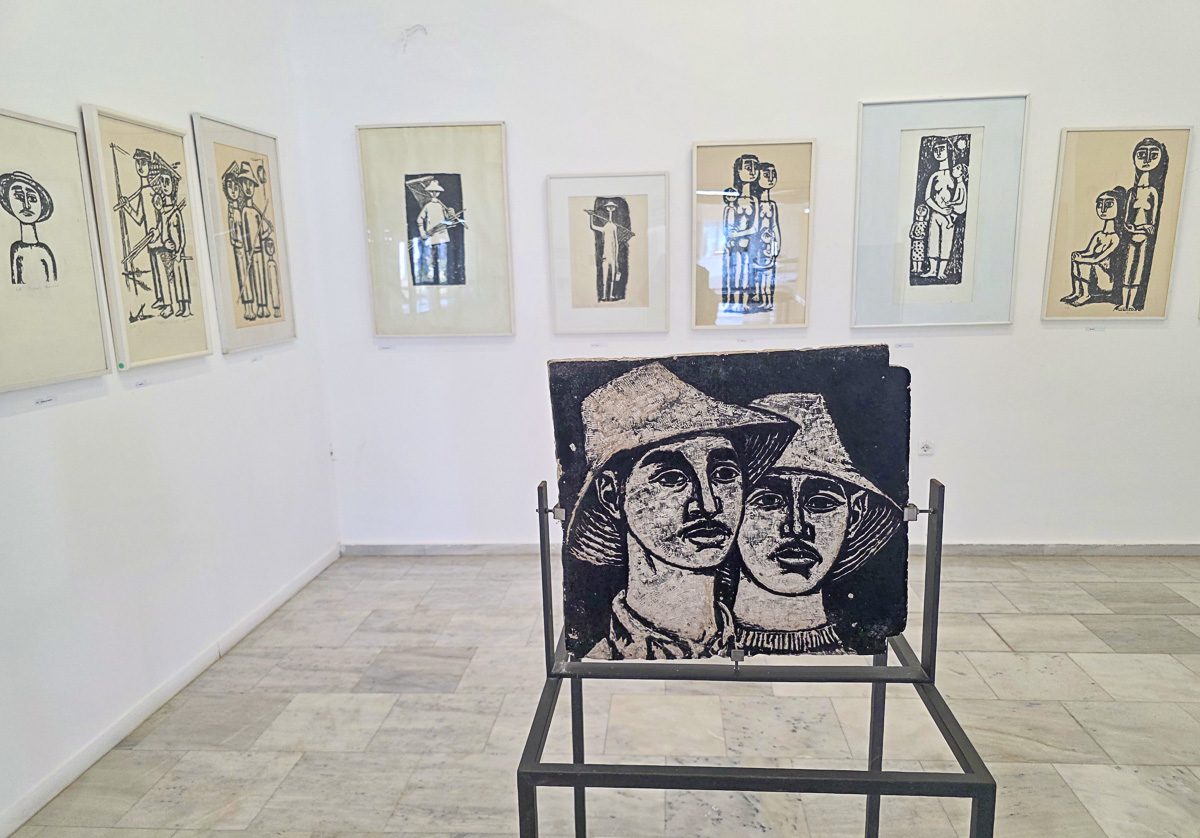
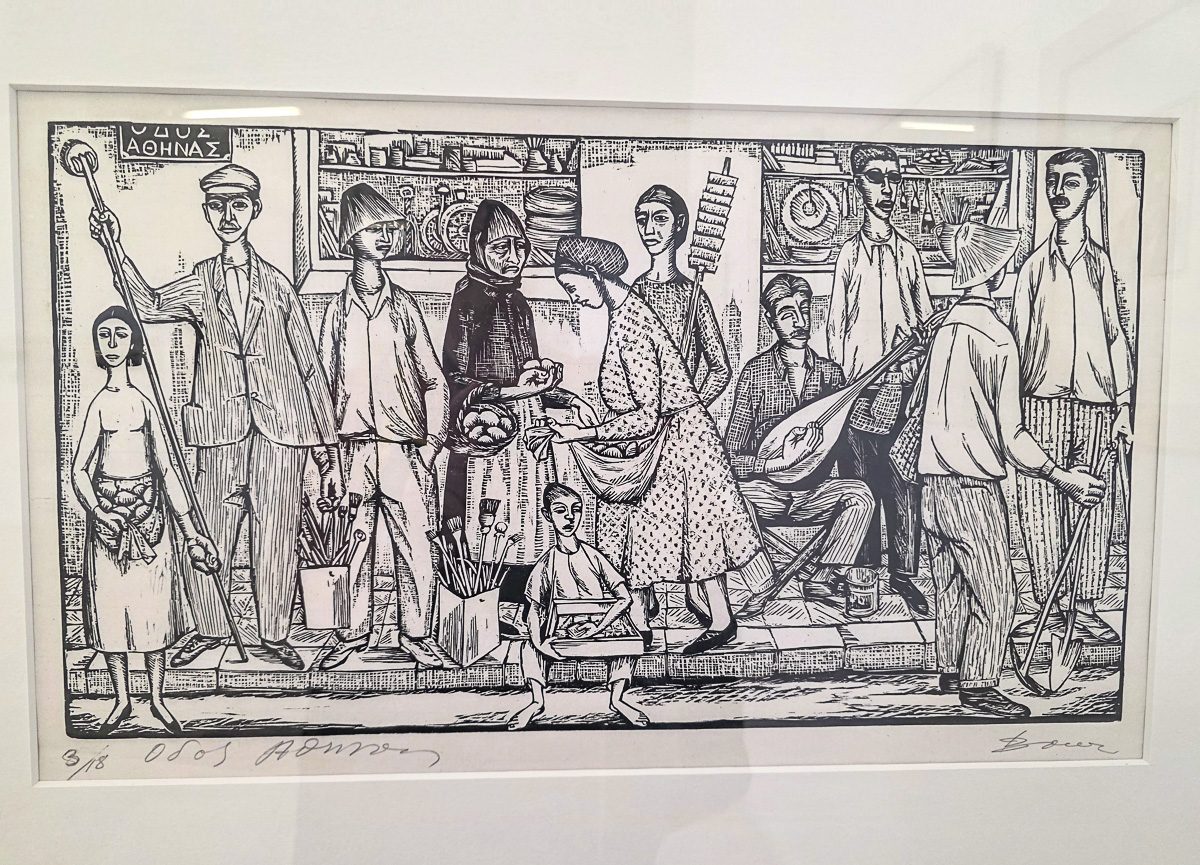
She was born on Aitoliko in 1914 and was one of the leading Greek printmakers of the twentieth century. She trained at the Athens School of Fine Arts and went on to work almost exclusively in sandstone, a material few printmakers ever attempt, which gave her prints a distinctive, abstract style and brought her international recognition with exhibitions at the Venice, São Paulo and Tokyo Biennales among them. She left her entire body of work, around 400 pieces, to her hometown and the Vaso Katraki Centre for Printmaking Arts, which opened in 2006. It’s the only museum in Greece dedicated purely to printmaking.
Katraki’s political commitment ran through her career from the start. As a student under Kefallinos, she was among those who designed the well-known Greek resistance posters during the 1940-41 war. Decades later, in 1977-78, she organised an exhibition called ‘Women in the Resistance,’ intended specifically to support the widows of resistance fighters left with no income or pension.
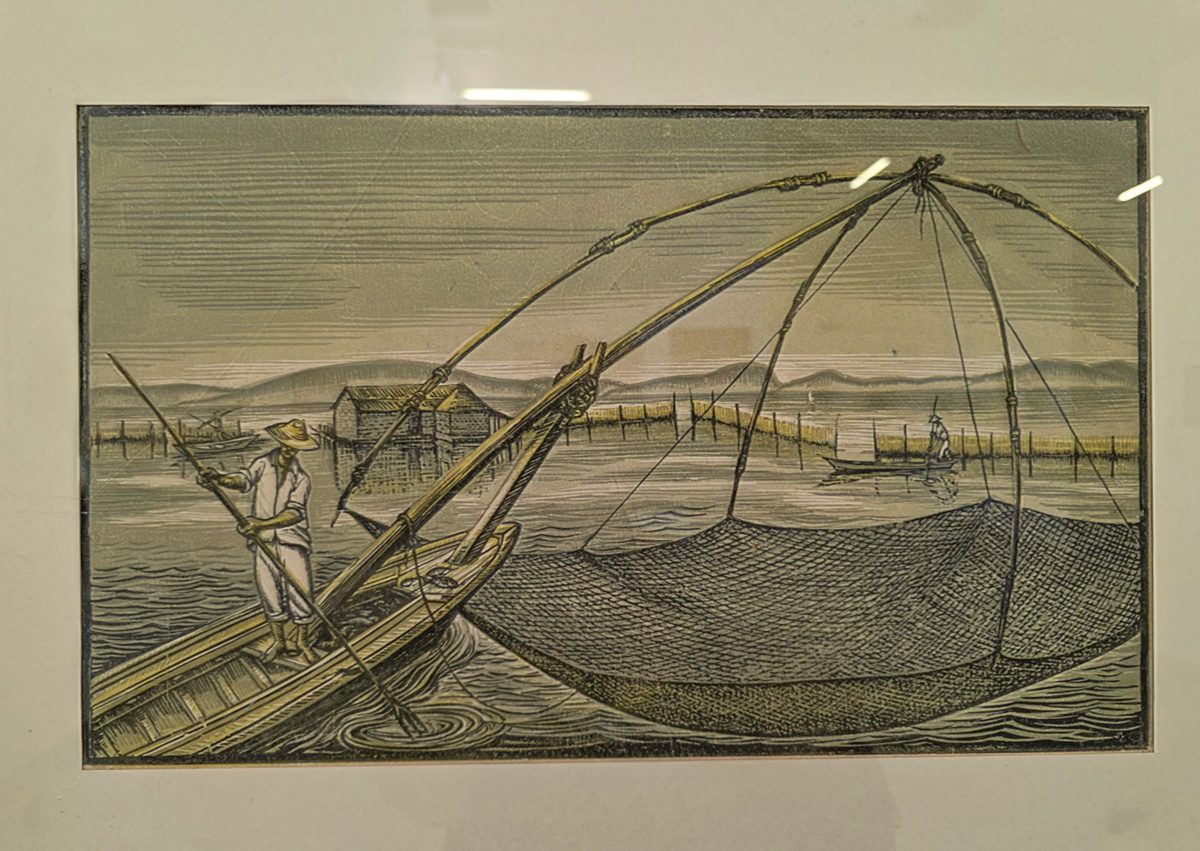
Alongside her abstract, political work, Katraki also turned her attention to the everyday life of the fishing families who shaped the lagoon she grew up beside. One print at the museum shows the stafnokari rig in exact detail, the arched poles, the net suspended between them, a fisherman steadying the boat with a pole while another figure works a second boat behind. It’s the closest explanation I’ve seen that shows how this fishing technique worked in practice.
Reviews of the museum are mixed – not about the artworks but about the ad hoc opening times, and also comments that the museum looked a little tired. I’m not sure I agree with the last comments, but it deserves more funding to promote, maintain and create more interest in what is a very interesting museum.
Andrea Syggrou, Aitoliko, 304 00
Opening hours: 9:30 – 15:00 (subject to seasonality)
info@spyros-katrakis.gr
00 30 6979982029
There is still more of Aitoliko to write about – the winding lines and tumbledown houses, the old shopfronts and an interesting taverna I found in a back street.
More in the next post.
Discover more from
Subscribe to get the latest posts sent to your email.
MY BIG FAT GREEK TRAVEL SURVEY
How do you really plan your Greek adventures? I'd love to hear from you.
TAKE THE SURVEY →