
Meet the Champion: A Conversation with Christos Christoforidis
Beach Wrestling World Series champion Christos Christoforidis competed at the Sochos Panigyri of the Holy Twelve Apostles and won his category outright. This is his story.
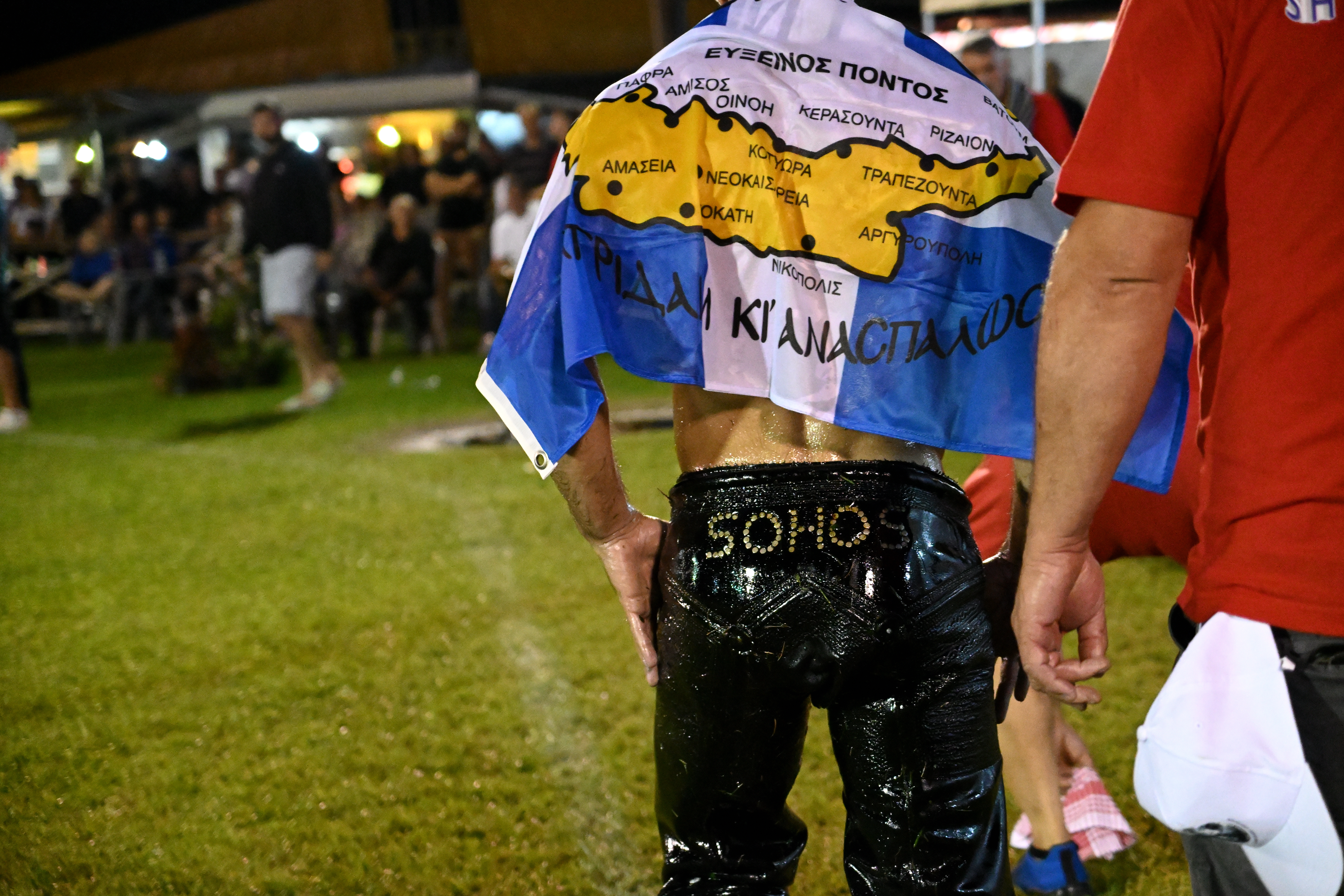
Beach Wrestling World Series champion Christos Christoforidis competed at the Sochos Panigyri of the Holy Twelve Apostles and won his category outright. This is his story.
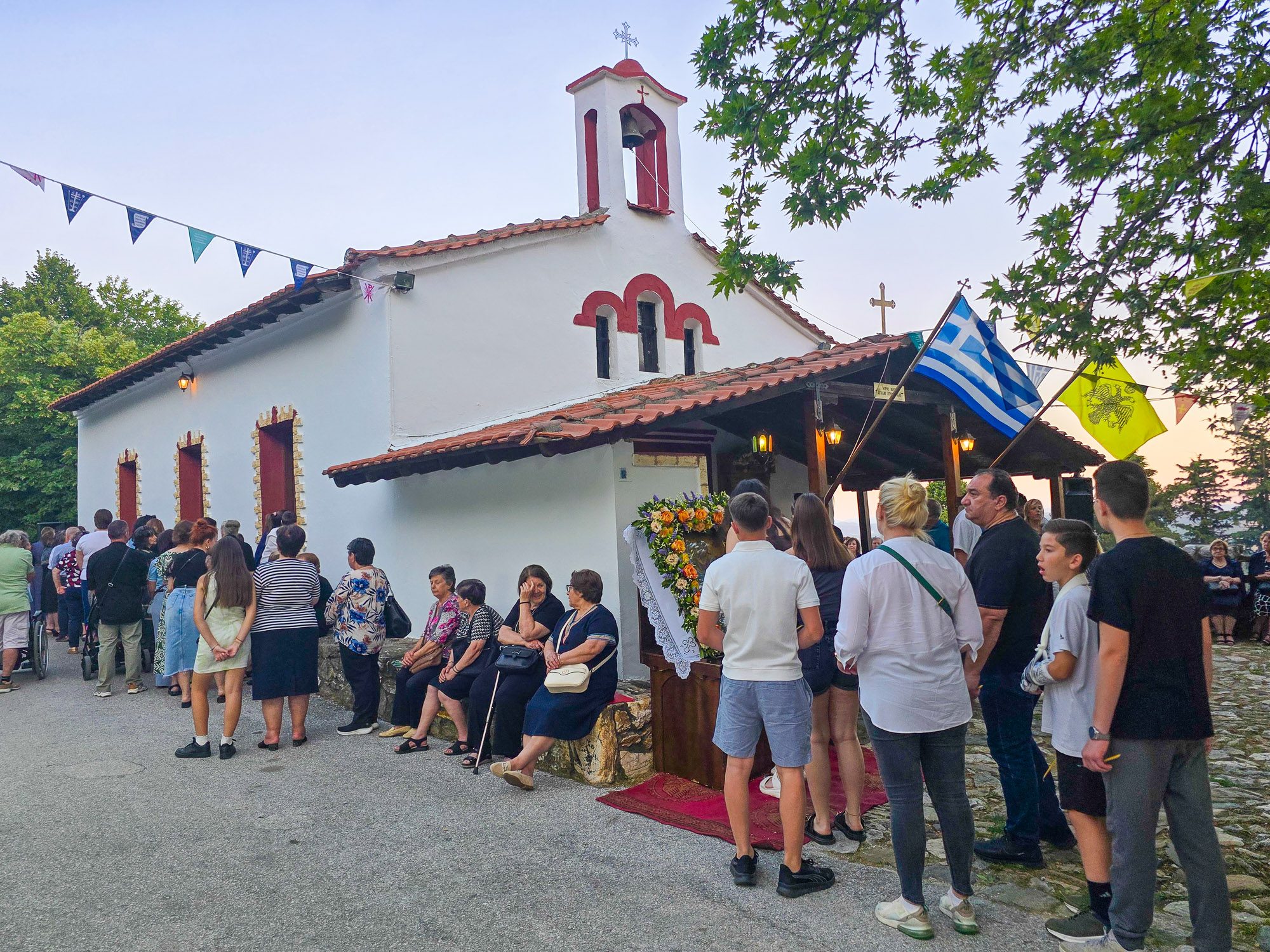
The Panigyri of the Holy Twelve Apostles in Sochos is best known for its oil wrestling, but the festival begins long before anyone steps onto the field. Part 2 follows the Sunday evening procession through the upper village, a cultural performance that stopped me in my tracks, and the moment the youngest generation of Pechlevanides took to the field.
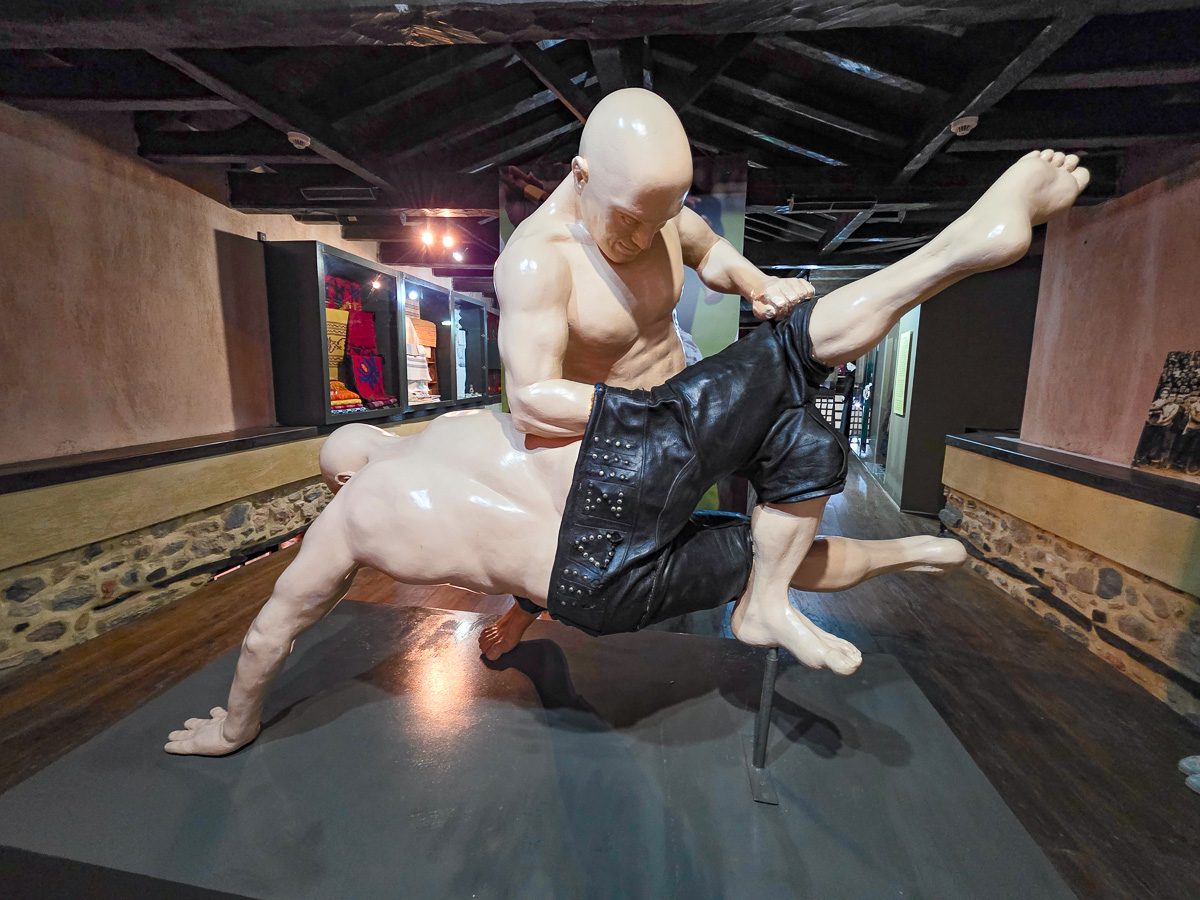
Oil wrestling isn’t what comes to mind when you think of Greece; but at Sochos, it’s a centuries-old tradition, and one wrapped in genuine controversy. Greeks and Turks alike fiercely claim it as their own. The real history, it turns out, runs back through ancient Egypt, Persia and the Seljuks, and is far too tangled for either side to own outright.
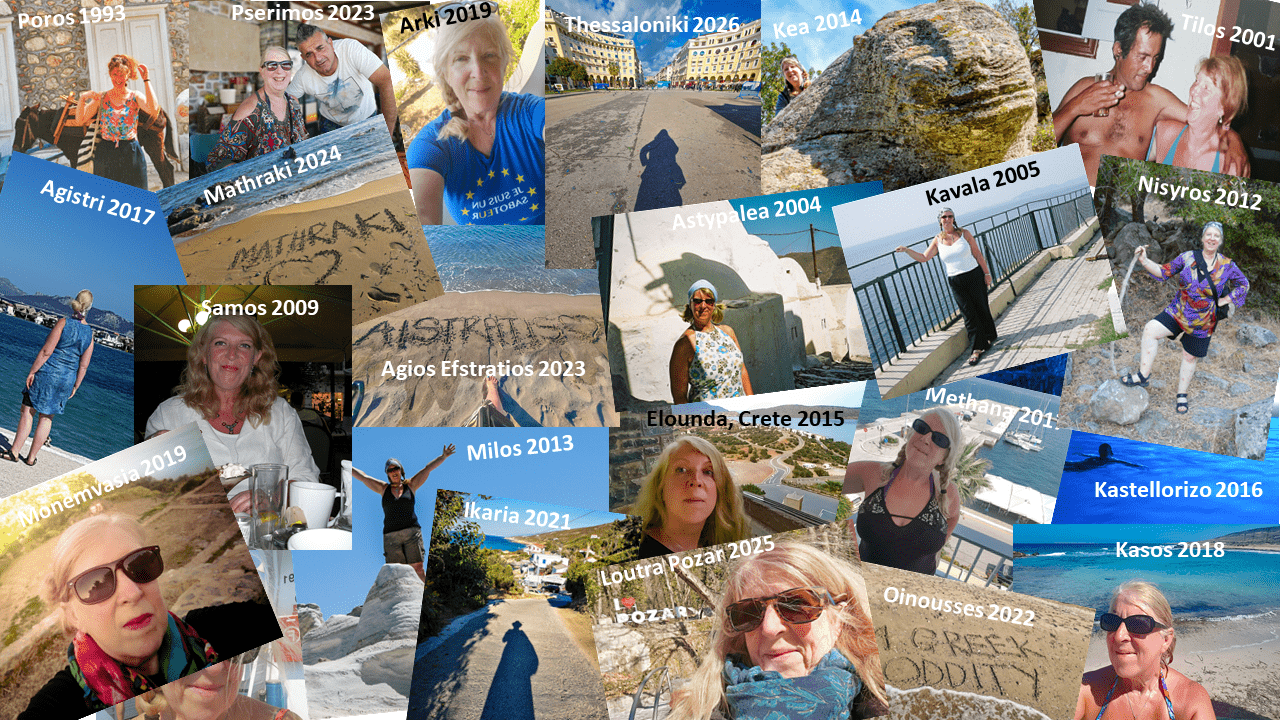
Guess what. A Greek Oddity recently turned fifteen years old! It began life on Blogger, migrated to Posterous, which then became Posthaven. Eventually, I threw myself into the confusing world of WordPress where I fumbled my way through to creating something that almost resembled a website. It’s not perfect. It’s not slick. But neither am…
I’ve thrown myself into a frenzy of projects since reaching retirement age. The latest? Building an Android app for independent travellers to Greece. Plan Your Greece is now on Google Play.
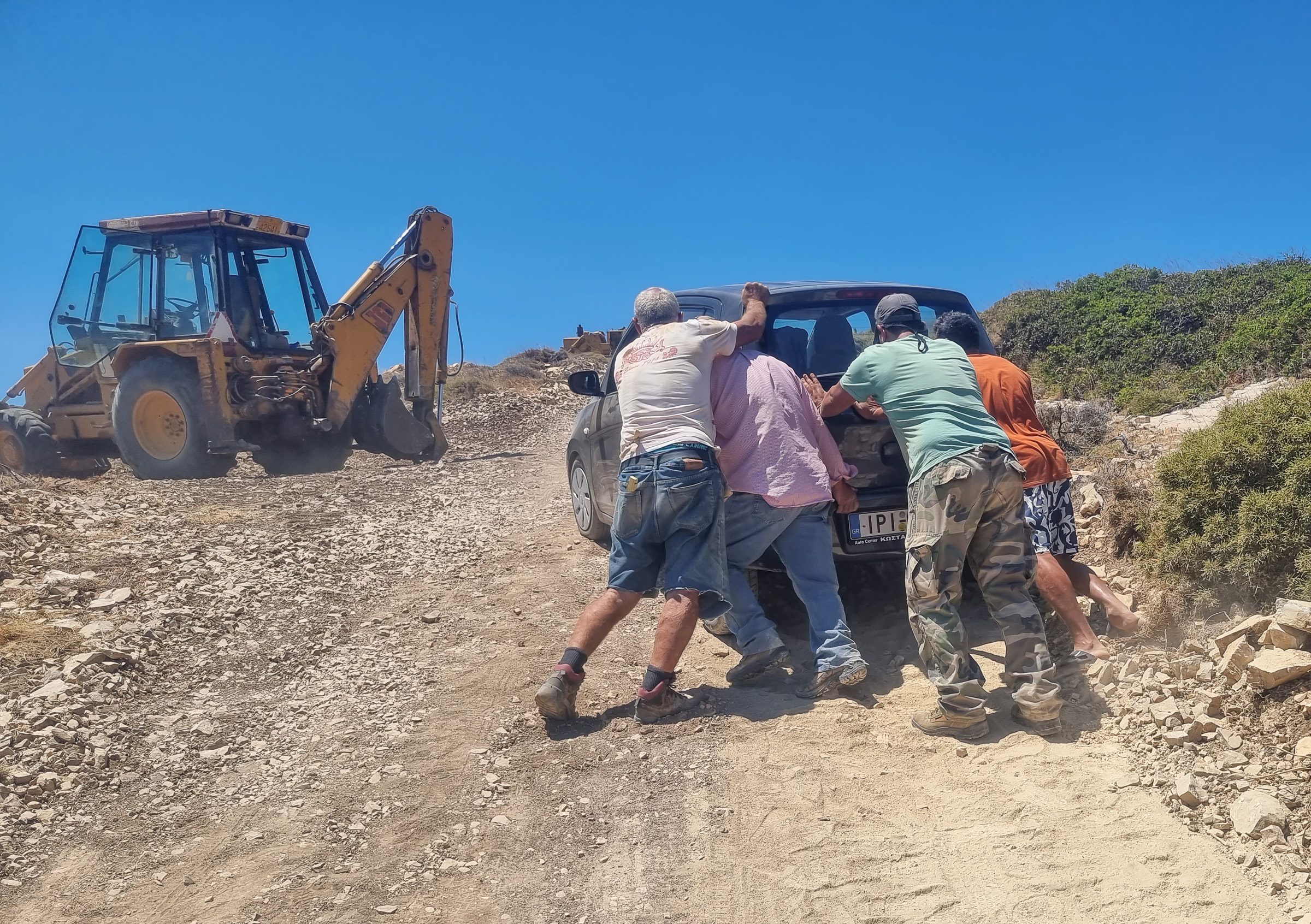
Ask anyone how to get from A to B in Greece and the answer is almost always the same: hire a car. But after thirty years of travelling Greece by bus, ferry, and Shanks’s Pony, I’d argue it’s not always the only option — or even the best one. And I say this as someone who once wheel-spun a Suzuki Celerio into a rut on Lipsi while a man on a digger watched and smoked his cigarette.
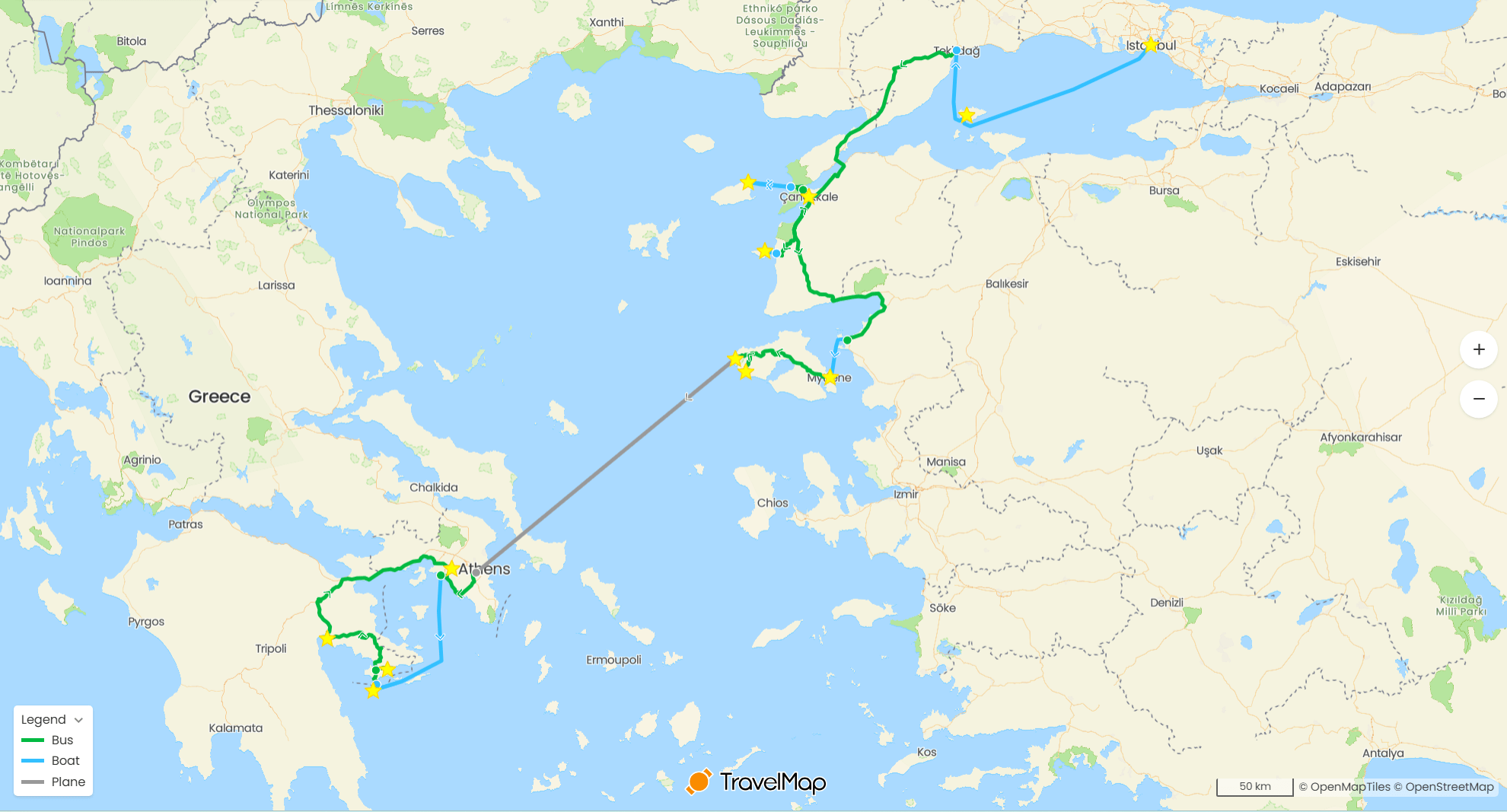
This is the final post of a two-month journey that took me from Istanbul to Athens via the Sea of Marmara, the Turkish Aegean coast, several Greek islands and the Peloponnese. It was not planned in any conventional sense. It started with my aunt Janet, who wanted to visit Constantinople. It ended, as these things sometimes do, somewhere else entirely.
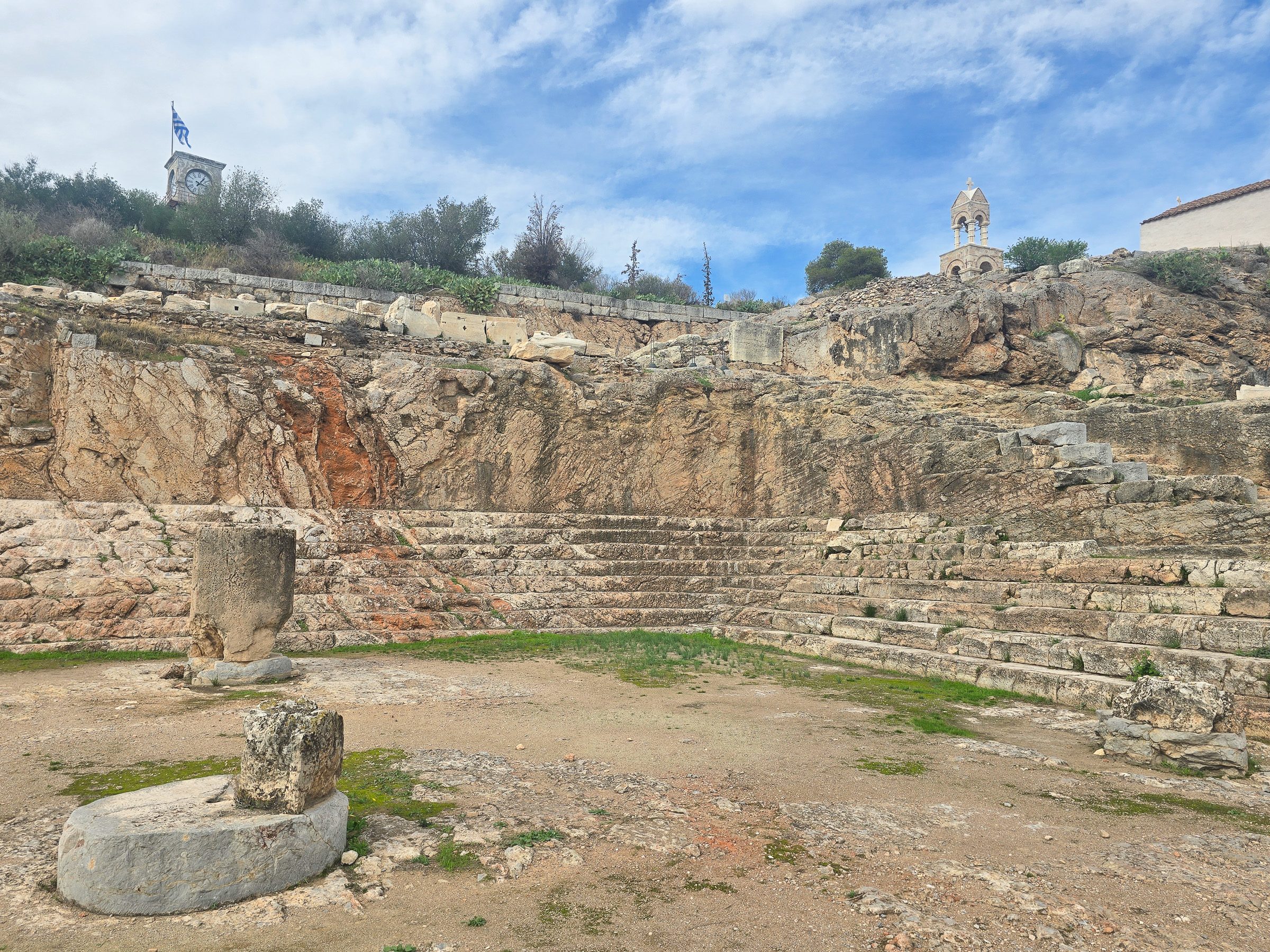
Eleusis sits about 21 kilometres west of Athens, close enough for a day trip and easy enough to overlook. Most people do. But for nearly two thousand years, this was the most sacred site in the ancient Greek world — home to a set of secret religious rites that promised initiates something no other cult dared offer: a better outcome after death. Nobody who took part ever revealed what happened inside. This post is an attempt to piece together what we think we know, and what it felt like to stand there.
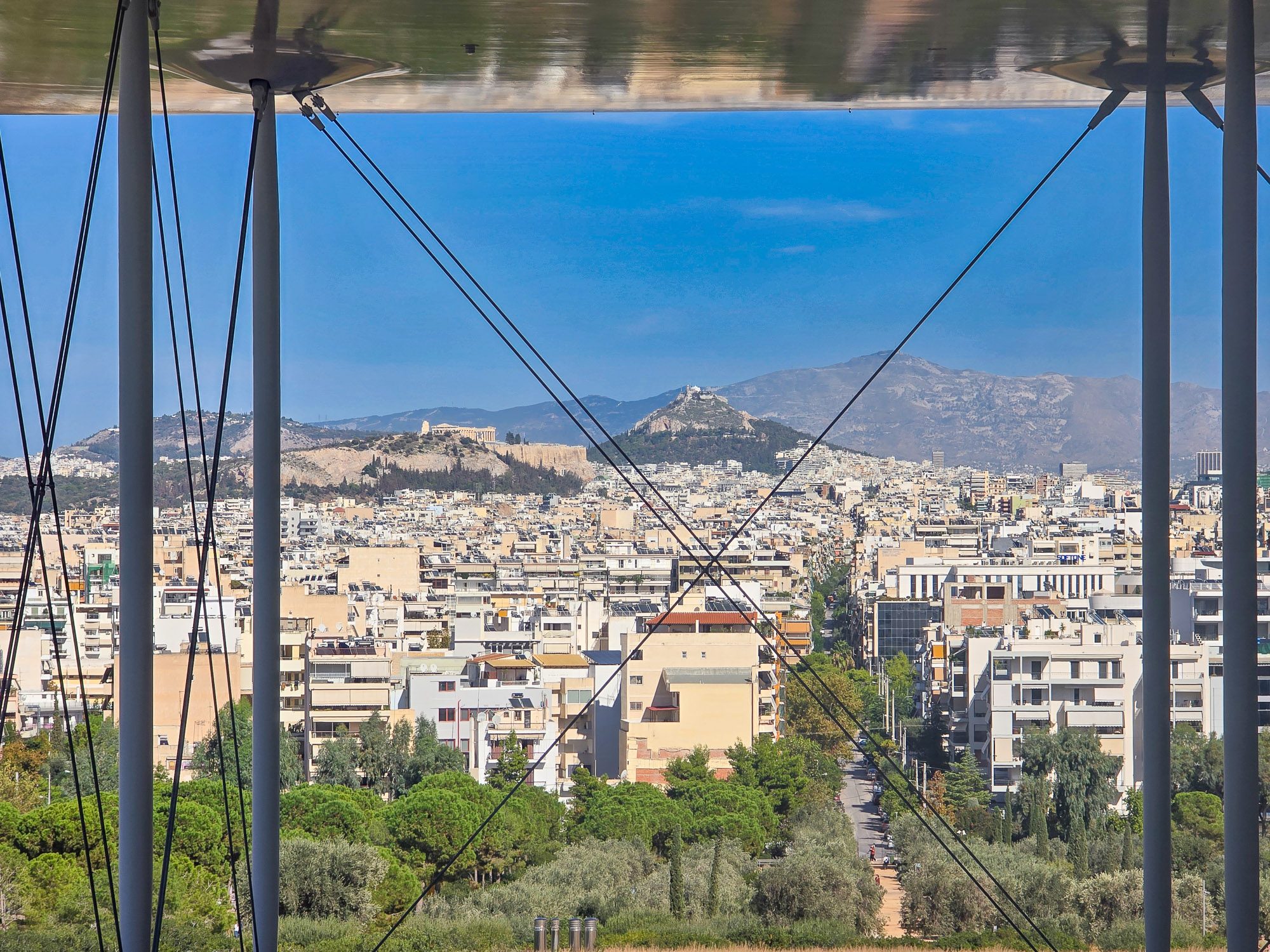
Athens needs no persuasion. After six nights in Nafplio, I was ready for it — the noise, the layers, the familiar streets and a few places I had been meaning to get back to for years. This post covers the final stretch of a two-month trip, from leaving Nafplio to a few days in Athens that reminded me exactly why I keep coming back.
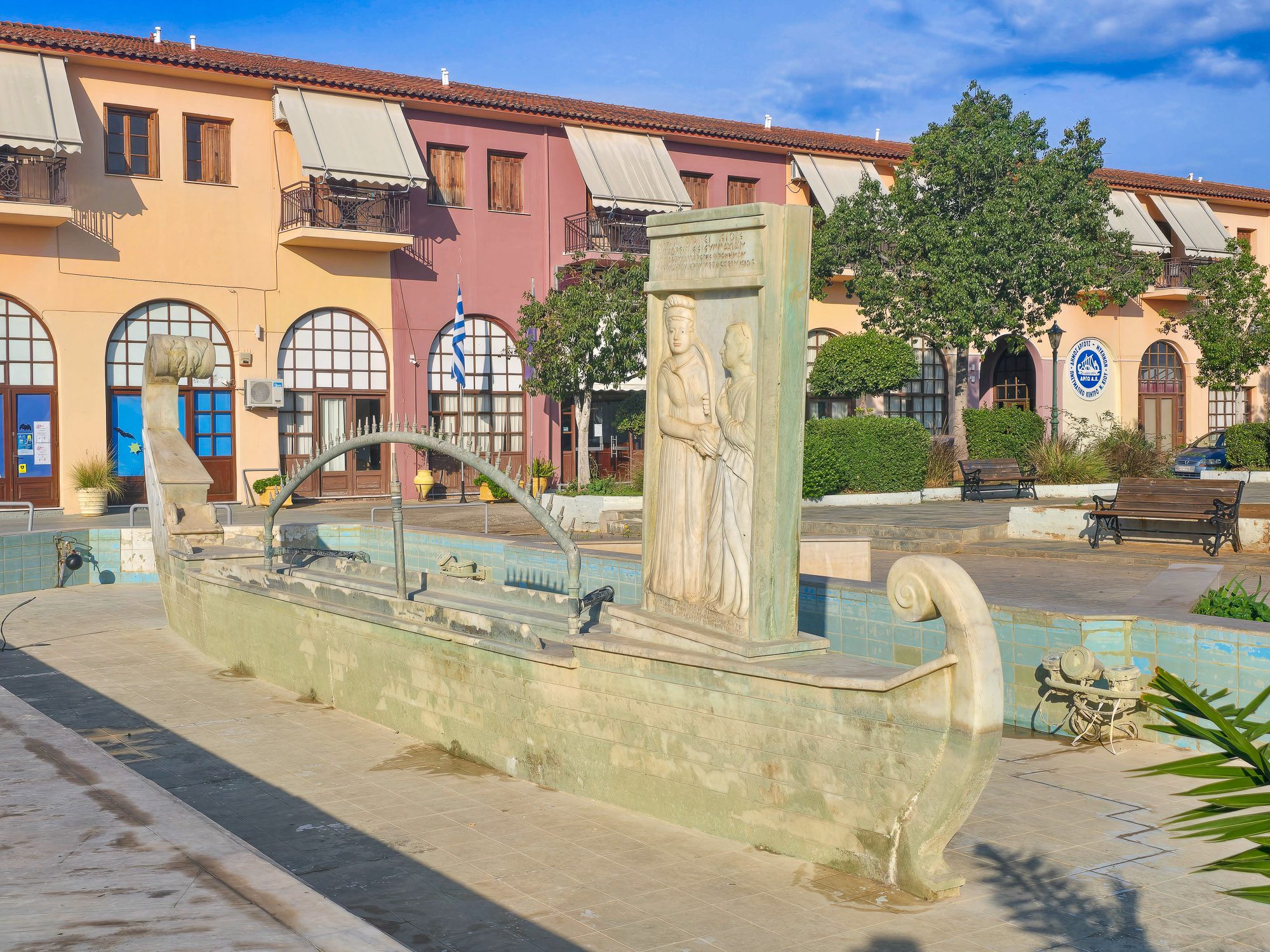
Nea Kios is an eight-kilometre taxi ride from Nafplio sitting at the tip of the Argolic Gulf. But with any place beginning with Nea, there is always a back story. This one leads to a small museum that few people know exists, a square full of quiet symbolism, and a story about what happens when an entire community is forced to start again somewhere new.
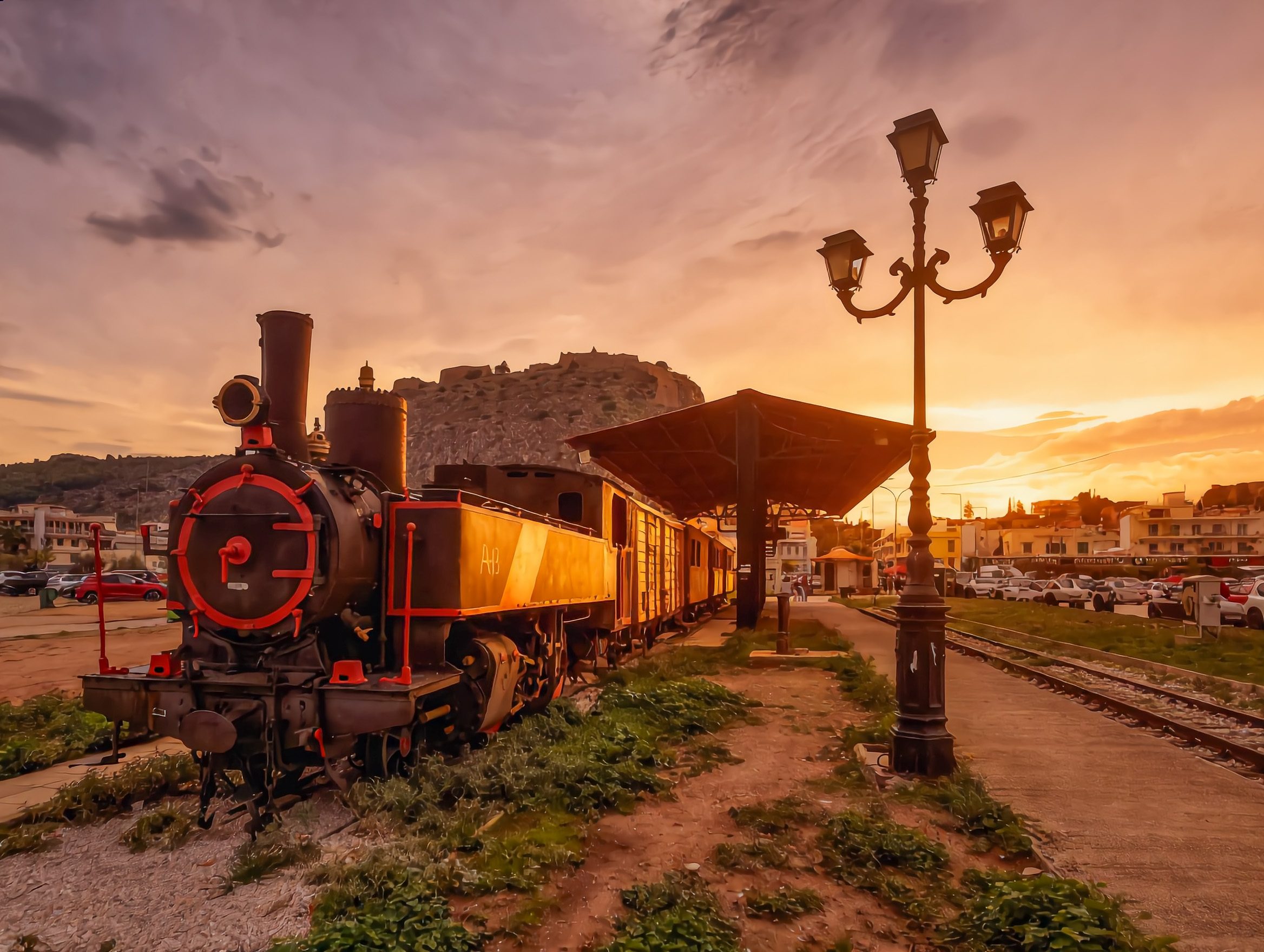
There is something reassuring about a KTEL Argolida timetable. Clear, very specific, and somehow always full of confidence. The bus from Kranidi would connect at Epidaurus, deliver me to Nafplio by 13.26, and say nothing whatsoever about the forty-two gold steps waiting at the other end. This is Nafplio approached slowly, by bus, on foot, and along a railway line that no longer runs.
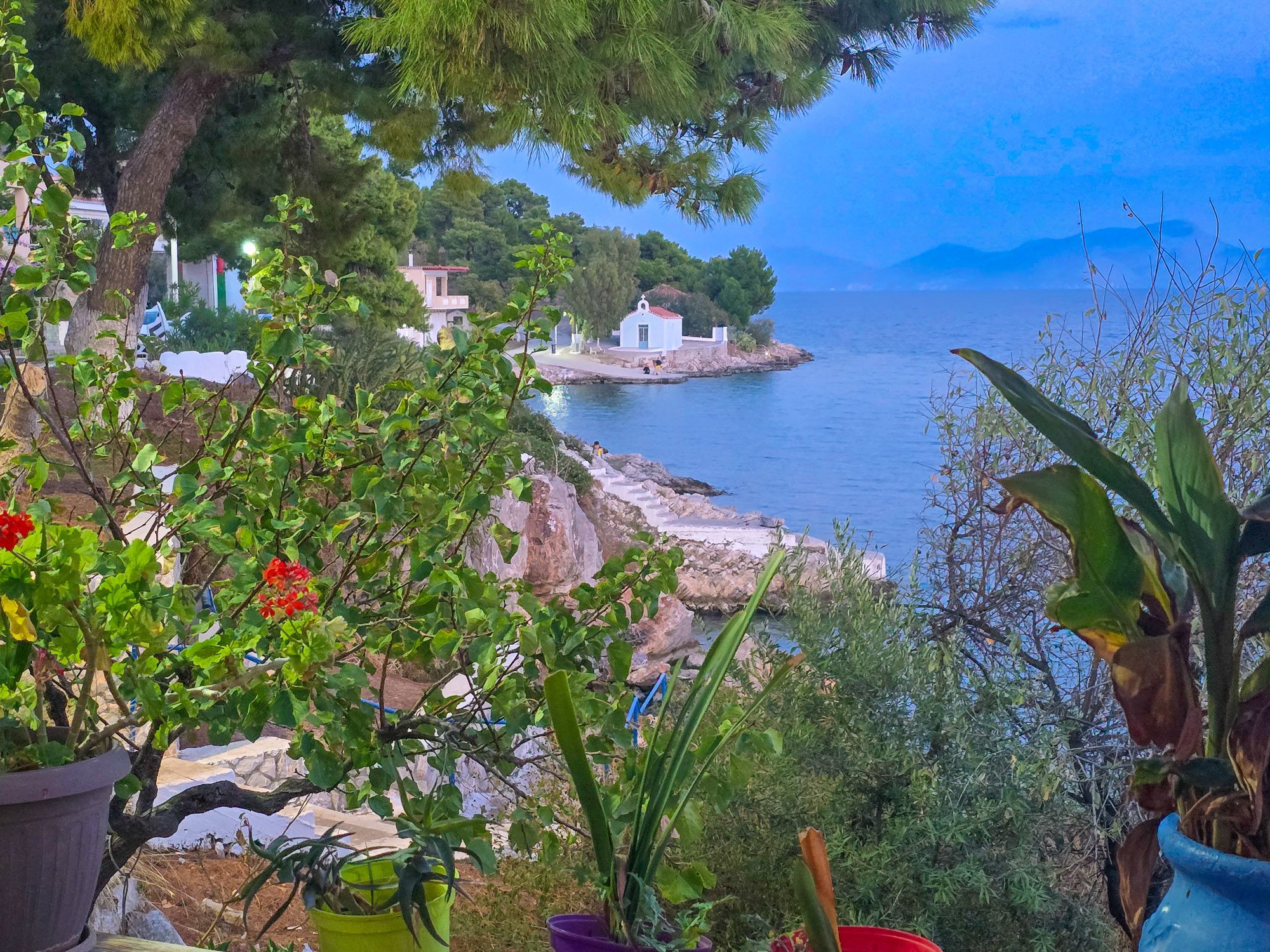
Ermioni is a small harbour town on the eastern Peloponnese, often overlooked in favour of nearby islands like Hydra and Spetses. But this working town, set on a narrow peninsula with two contrasting harbours, offers something different — a slower pace, a sense of place, and easy access to both the mainland and the Saronic islands. After leaving Spetses, I spent two nights in Ermioni to see what lay beyond the obvious — and found far more than expected.